
Iran Threatens Nuclear and Infrastructure Strikes as US Weighs Post-Midterm Attacks
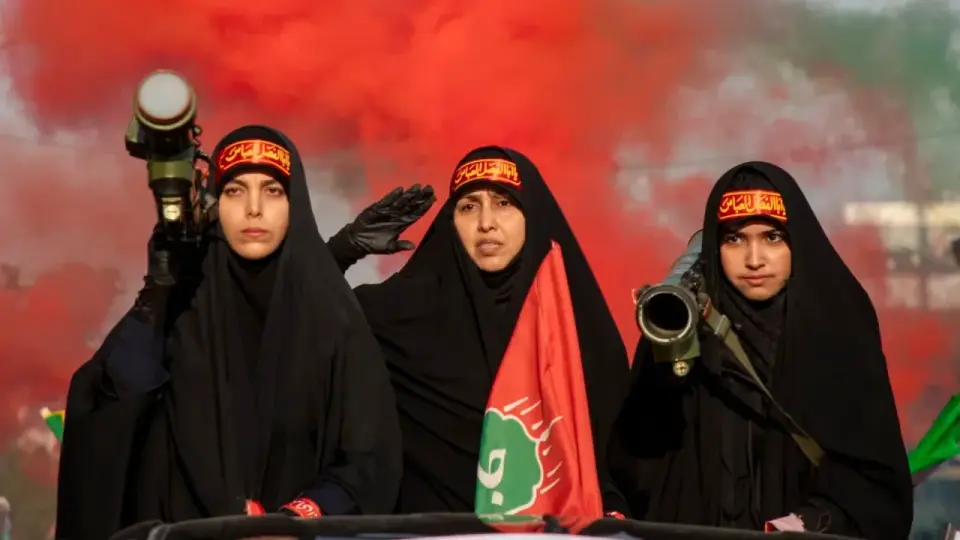
Iran has issued explicit threats to strike civilian infrastructure, energy pipelines, and potentially use nuclear weapons if the US launches a new military campaign. These warnings coincide with rising oil prices and stalled diplomatic efforts, as US officials indicate the conflict could persist for another year.
Key points
- Iranian officials, including parliamentarian Mohammad-Saleh Jokar, have called for the suspension of cooperation with the Nuclear Non-Proliferation Treaty and the use of deterrent weapons, including nuclear arms, in response to US attacks.
- Tehran has threatened to target civilian infrastructure, natural gas pipelines, airports, and seabed internet cables in the Persian Gulf, aiming to impose sustained costs on adversaries.
- US Ambassador Mike Waltz stated the war could last another year, emphasizing that the US will maintain a naval blockade until Iran disposes of highly enriched uranium.
- Brent crude prices reached $112 per barrel, with Iran claiming attacks on seven tankers in the Strait of Hormuz, though President Trump dismissed these claims as fabrications to inflate energy costs.
- Diplomatic talks in Istanbul involving European and Gulf nations failed to resolve the crisis, with regional powers condemning Israeli occupation while the US and Iran remain deadlocked.
Background
The current escalation follows an eight-month conflict that began in February 2026, involving operations such as 'Epic Fury' and 'Roaring Lion.' Previous reports indicated that while the Pentagon claimed up to 90% of Iran's drone and missile industry was destroyed, Iran retained significant stockpiles. Diplomatic efforts, including a June memorandum in Islamabad, have failed to yield a breakthrough, with Iran previously describing the situation as the most severe pressure since 1979.
How outlets are covering it
The Jerusalem Post highlights Iran's willingness to expand targets to civilian infrastructure despite degraded military capabilities, citing analysts who warn of overextension. CBS News focuses on the economic impact, noting Trump's accusation that Iran is fabricating ship strikes to drive oil prices before US midterms. Al Jazeera emphasizes the military standoff, quoting Iranian chief of staff Ali Abdollahi who claims US warships cannot approach Iranian waters, and notes the 'dead hand' doctrine that allows continued attacks even if leadership is assassinated. While the US and Israel frame the conflict as a security necessity, regional powers in Istanbul condemned Israeli occupation as the primary source of instability, highlighting a diplomatic gap between Western and Gulf perspectives.
Why it matters
The threat of nuclear use and attacks on global energy infrastructure poses a severe risk to international stability and the global economy. With oil prices at multi-month highs and diplomatic channels deadlocked, the potential for a renewed, expanded conflict could disrupt global supply chains and escalate into a broader regional war involving multiple theaters, including Yemen and Lebanon.
What to watch
The US and Israel are expected to decide on new strikes after the November 3 midterm elections. Iran has signaled it will not negotiate under bombardment, while the US maintains its naval blockade. Diplomatic efforts in Istanbul may continue, but without immediate concessions from the US, the risk of further escalation remains high.
- Tehran warns of nuclear options and infrastructure strikes if US attacks Iran The Jerusalem Post
- Live Updates: Iran says potential new U.S. strikes won't change Tehran's position CBS News
- Iran says won’t allow US warships to get close as Trump ponders new attacks Al Jazeera
- Iran Threatens Wider Strikes on Economic and Civilian Targets if U.S. Attacks WSJ
- Iran has detailed plans to hit Gulf undersea cables if war resumes, officials say Reuters
Want the full story? Read the original reporting
Read on The Jerusalem Post