
El-Sayed urges bold agenda, challenges Schumer, and courts bipartisan deals
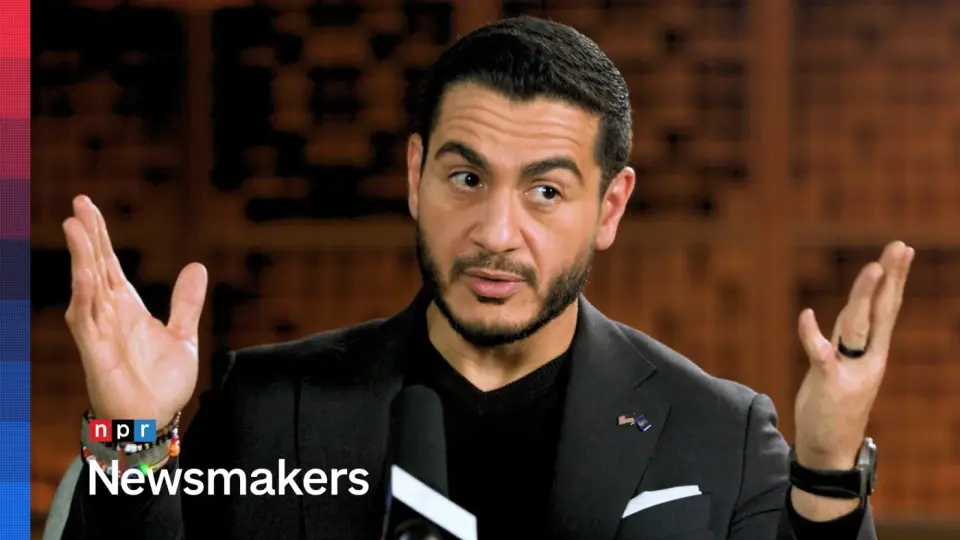
Sen.-elect Abdul El-Sayed is pushing for a new Democratic leadership and an ambitious legislative agenda, including Medicare for All and the abolition of ICE. He has called for Sen. Chris Van Hollen to challenge Senate Minority Leader Chuck Schumer in December. El-Sayed also expressed willingness to work with President Trump on healthcare, even suggesting the legislation could be named after the president to secure passage, while acknowledging the risk of a veto. His historic victory as the first Muslim U.S. senator has drawn national attention, though it has also sparked debate over his policy positions and associations.
Key points
- El-Sayed argues Democrats must act boldly to retain voter trust, urging a challenge to Schumer’s leadership by Van Hollen.
- He proposes a legislative agenda that includes ending the war in Iran, passing Medicare for All, and abolishing ICE.
- El-Sayed expressed openness to bipartisan cooperation with President Trump, suggesting he would accept a veto to prove Democratic commitment to healthcare.
- His victory speech and policy stances have generated significant online engagement and debate, including criticism from some Jewish leaders regarding his comments on Israel.
- El-Sayed is preparing to take the oath in January, potentially swearing on the Quran, marking a historic moment for Muslim representation in the Senate.
Background
El-Sayed’s campaign focused on healthcare and public health issues, courting voters from the Make America Healthy Again movement while distinguishing himself on vaccine support. His victory followed a contentious race where he faced intense opposition, including a last-minute endorsement of his opponent by Rep. Haley Stevens. National figures like Barack Obama and Bernie Sanders supported his campaign, with Sanders positioned to lead health committees if Democrats won the Senate.
How outlets are covering it
NPR highlights El-Sayed’s call for bold leadership and bipartisan cooperation, emphasizing his willingness to work with Trump on healthcare. The Guardian provides background on El-Sayed’s academic and personal history, noting his Rhodes scholarship and political awakening in the UK, but does not focus on current policy debates. The National Desk focuses on scrutiny of El-Sayed’s recent appearances, particularly his speech at an Arab America Foundation summit, where critics linked his associations to groups like Code Pink and alleged Chinese funding. Axios notes the national spotlight on El-Sayed, including viral moments from his victory speech and debates over his stance on Israel, which has drawn criticism from some Michigan Jewish leaders but also praise from local Arab-American leaders.
Why it matters
El-Sayed’s push for a bold agenda and new leadership signals a potential shift in Democratic strategy, aiming to capitalize on midterm momentum. His willingness to engage with Trump on healthcare could set a precedent for bipartisan cooperation, though it risks political backlash. The scrutiny over his associations and policy positions highlights the polarized nature of current political discourse, with his historic victory serving as a focal point for debates on representation, policy priorities, and partisan alliances.
What to watch
El-Sayed is expected to participate in Senate leadership elections in December, where he may support Van Hollen’s challenge to Schumer. He will also engage in legislative efforts to pass Medicare for All and other agenda items, potentially facing a veto from President Trump. His oath-taking in January, possibly on the Quran, will mark a historic moment for Muslim representation in the U.S. Senate.
- El-Sayed says Dems need to earn their mandate and take 'righteous risks' NPR
- Abdul El-Sayed’s Oxford years: PhD, political influences and sporting distinction The Guardian
- 'Capital of Arab America': El-Sayed’s Virginia summit speech draws new scrutiny online The National Desk
- Abdul El-Sayed launches Habibi PAC to build Democratic influence Michigan Advance
- Abdul El-Sayed's Senate victory sparks national buzz Axios
Want the full story? Read the original reporting
Read on NPR