
El-Sayed Wins Michigan Senate, Becoming First Muslim Senator in US History
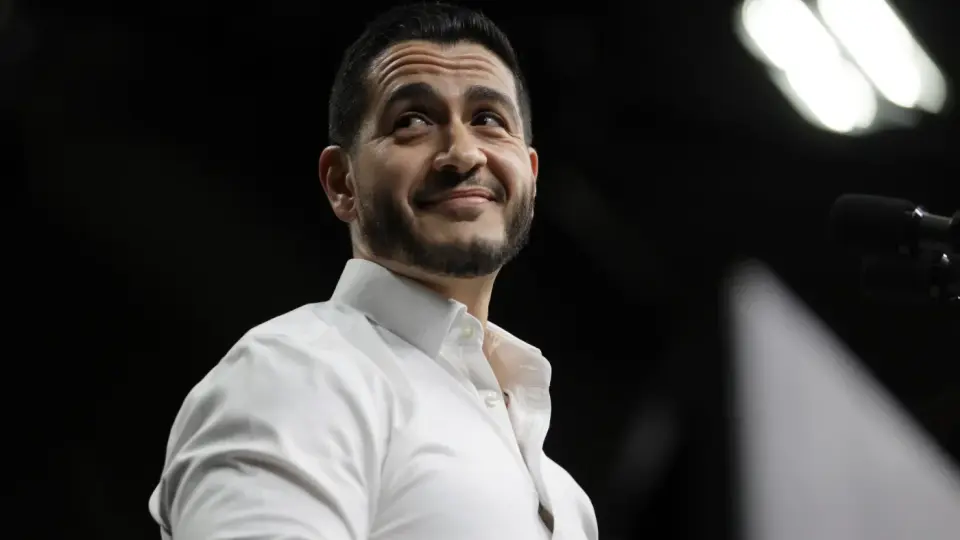
Democrat Abdul El-Sayed defeated Republican Mike Rogers to win the Michigan U.S. Senate seat, becoming the first Muslim American to serve in the chamber. The victory secures Democratic control of the Senate and marks a significant win for progressive populism, despite intense Islamophobic attacks from President Trump and a late endorsement of Rogers by former primary rival Haley Stevens.
Key points
- Abdul El-Sayed, a 42-year-old former public health official, won the Michigan Senate race against Mike Rogers, a former congressman and Trump ally.
- El-Sayed became the first Muslim American to serve in the U.S. Senate, defeating a campaign marked by Islamophobic rhetoric from President Trump and Vice President JD Vance.
- The race was defined by record spending, with over $220 million in ad spending by mid-October, and significant outside intervention, including $30 million from a pro-Israel super PAC in the primary.
- El-Sayed’s victory extends a Democratic hold on the Michigan Senate seat since 1979 and ensures Democratic control of the Senate, despite internal party divisions over his progressive platform.
- Former primary rival Haley Stevens endorsed Rogers in the final days, citing El-Sayed’s stance on Israel, but this did not prevent El-Sayed’s win, which was driven by economic populism and anti-corruption messaging.
Background
The Michigan Senate race was a focal point in the 2026 midterms, testing the viability of progressive insurgencies in swing states. El-Sayed, who had previously lost a gubernatorial bid in 2018, had narrowly defeated establishment favorite Haley Stevens in the primary, despite opposition from Michigan heavyweights like Gov. Gretchen Whitmer and Sen. Gary Peters. The race was characterized by intense outside spending and deep divisions within the Democratic coalition over Israel policy and antisemitism, as noted in earlier coverage. El-Sayed’s victory follows a pattern of progressive wins in other states, signaling a shift in the Democratic Party’s direction after two years in the political wilderness.
How outlets are covering it
NPR emphasized El-Sayed’s role as an antiestablishment candidate who galvanized young voters by focusing on single-payer healthcare and curbing corporate influence, while noting his positions on Israel alienated some Jewish voters. The Guardian highlighted the historic nature of El-Sayed’s victory as the first Muslim senator and the Islamophobic campaign against him, including Trump’s false claims about him being a 'jihadist.' NBC News focused on the internal Democratic conflict, particularly Haley Stevens’ late endorsement of Rogers, and El-Sayed’s sharp retorts to his critics. Al Jazeera underscored the economic populism of El-Sayed’s message and the record spending in the race, noting that his victory does not significantly tip the balance in the Senate but signals a shift in Democratic politics. All sources agreed on the significance of El-Sayed’s win as a test of progressive politics in a swing state, but differed in their emphasis on the Islamophobic attacks, internal party divisions, and the broader implications for the Democratic Party’s future.
Why it matters
El-Sayed’s victory marks a historic first for a Muslim American in the U.S. Senate and signals a shift in the Democratic Party toward more progressive, populist policies. The win ensures Democratic control of the Senate and strengthens their position for the 2028 presidential cycle, particularly given Michigan’s importance in the presidential nominating process. The race also highlights the growing influence of progressive candidates in swing states and the challenges of uniting the Democratic coalition over issues like Israel policy and economic affordability. El-Sayed’s victory suggests that economic populism and anti-corruption messaging can resonate with voters, even in the face of intense opposition and Islamophobic attacks.
What to watch
El-Sayed will be sworn into office in January, likely by Vice President JD Vance, with whom he has had public disputes. He is expected to be a prominent voice in the Senate, particularly on issues of healthcare, corporate influence, and foreign policy. The Democratic Party will continue to grapple with internal divisions over progressive vs. establishment positions, but El-Sayed’s win suggests that progressive candidates can succeed in swing states. The race also sets the stage for future battles over Israel policy and economic populism within the Democratic Party, as El-Sayed’s platform challenges traditional party lines.
- Democrat Abdul El-Sayed defeats Republican Mike Rogers in key Michigan Senate race NPR
- Progressive Abdul El-Sayed wins Michigan Senate race to become first Muslim US senator The Guardian
- Democrat Abdul El-Sayed wins Michigan’s high-stakes Senate race NBC News
- El-Sayed defeats Rogers to win Senate seat in Michigan Al Jazeera
- Abdul El-Sayed delivers major blow to GOP in Michigan after bruising Senate race Fox News
Want the full story? Read the original reporting
Read on NPR