
El-Sayed’s Senate win driven by affordability, not faith, despite record Black voter turnout
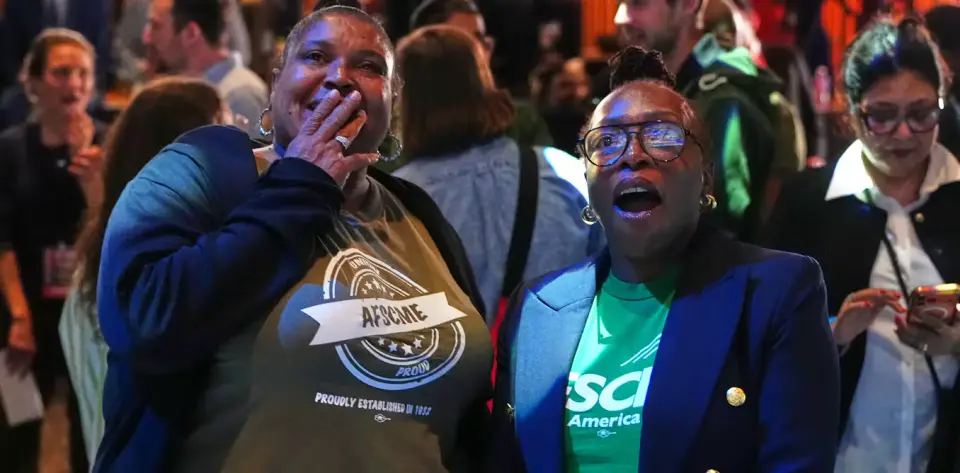
Abdul El-Sayed won the Michigan Senate race, becoming the first Muslim U.S. senator, with 52% of the statewide vote. While Black voters turned out in record numbers, their support for El-Sayed (86%) lagged behind other Democratic candidates, suggesting his victory was driven by economic issues rather than religious identity.
Key points
- El-Sayed defeated Mike Rogers by 7 points, securing a decisive Democratic majority in the Senate.
- Detroit saw a 21% increase in voter turnout, with 91.8% of city voters supporting El-Sayed.
- Black voters supported El-Sayed at 86%, lower than the 94% support for Gov. Whitmer in 2022.
- Muslim voters prioritized affordability and healthcare over religious representation in their voting decisions.
- El-Sayed’s victory followed intense Islamophobic attacks from Trump and Vance, which mobilized minority communities.
Background
El-Sayed’s campaign faced significant opposition, including $30 million in spending against him and a late endorsement of his Republican rival by primary opponent Haley Stevens. His platform focused on universal healthcare and opposition to U.S. aid for Israel, resonating with progressive voters despite tightening polls in late October.
How outlets are covering it
The Conversation highlights that Black voters, while crucial to El-Sayed’s win, showed lower support for him (86%) compared to other Democrats, suggesting they voted for the party rather than his specific progressive platform. The New York Times emphasizes that Muslim voters supported El-Sayed due to economic concerns and anti-Israel policies, not religious identity, despite widespread Islamophobic attacks. The Washington Post notes that El-Sayed’s victory led to a spike in oil prices and a surge in stock markets, reflecting expectations of a renewed push to end the Iran war. The Detroit Free Press focuses on El-Sayed’s use of the Arabic term 'habibi' to address Vice President JD Vance, symbolizing his Arab heritage and the irony of his opponent swearing him in.
Why it matters
El-Sayed’s victory marks a historic shift in U.S. politics, with the first Muslim senator taking office. His win, driven by economic issues rather than religious identity, signals a broader trend of progressive candidates gaining traction in swing states. The high turnout among Black voters, despite lower support for El-Sayed, underscores the importance of economic issues in shaping electoral outcomes. The victory also reflects a growing influence of Muslim Americans in national politics, even as Islamophobia remains a significant challenge.
What to watch
El-Sayed will be sworn in by Vice President JD Vance in January 2027, marking a historic moment for religious representation in the U.S. Senate. His platform, including universal healthcare and opposition to U.S. aid for Israel, will likely shape legislative priorities. The Democratic majority in Congress may lead to a renewed push to end the Iran war, potentially impacting oil prices and global markets.
- Black Michiganders helped push Abdul El-Sayed to victory – but the numbers show he was less popular with this key voting block than some other Democratic candidates The Conversation
- Abdul El-Sayed underperformed with Jewish voters. Here’s what he has to say about it. Politico
- Abdul El-Sayed’s Senate Win Is Big to Muslim Americans, but Not Because of Faith The New York Times
- Oil prices hit two-month low following decisive midterm election results The Washington Post
- El-Sayed calls Vance habibi in victory speech. What does it mean? Detroit Free Press
Want the full story? Read the original reporting
Read on The Conversation