
El-Sayed’s Senate Win Marks a Shift in Muslim Political Power, but Raises Questions on PAC Ethics
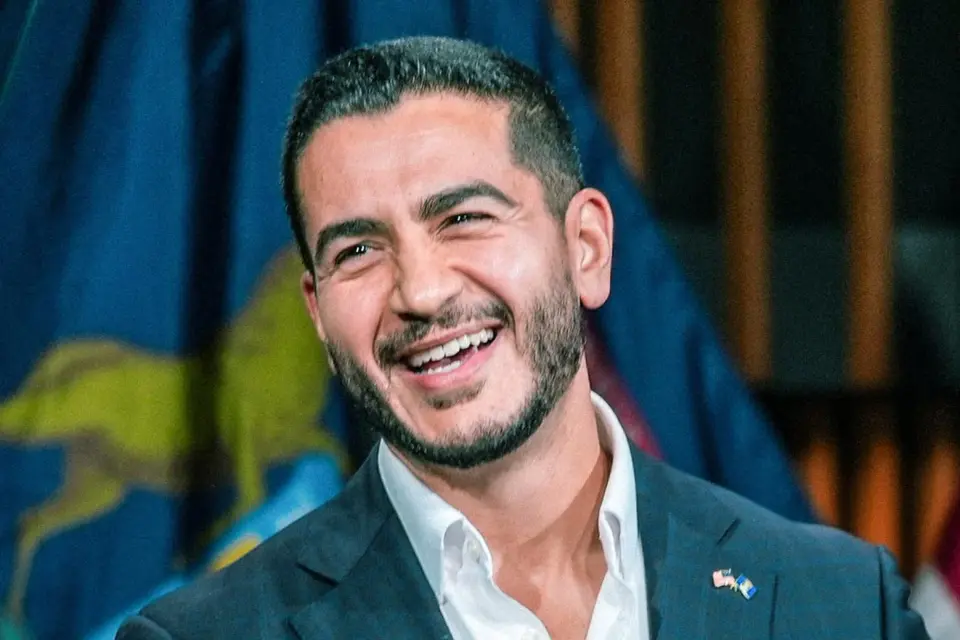
Abdul El-Sayed has become the first Muslim U.S. senator after defeating Mike Rogers in Michigan, a victory driven by grassroots organizing and economic discontent rather than just religious identity. While his win signals a potential shift in how Muslim Americans engage with the Democratic Party, his immediate launch of the Habibi PAC has drawn scrutiny from watchdogs over potential conflicts with his anti-corporate funding stance. The broader midterm results show a significant Democratic resurgence, with historic firsts in multiple states, though questions remain about the long-term impact of Islamophobic attacks on voter behavior.
Key points
- El-Sayed won the Michigan Senate seat, becoming the first Muslim elected to the U.S. Senate, defeating Republican Mike Rogers.
- The victory was attributed to years of grassroots organizing by Muslim Americans and broad economic dissatisfaction with the Trump administration, rather than solely religious identity.
- El-Sayed launched the Habibi PAC, a leadership committee, which has raised concerns from campaign finance watchdogs about potential personal use of funds and conflicts with his previous stance against corporate PAC money.
- The 2026 midterms saw a significant Democratic wave, including historic firsts such as the first Black woman governor in Georgia and the first Native American woman governor in New Mexico.
- Republican campaigns spent approximately $46 million on ads attacking El-Sayed with Islamophobic themes, including references to Shariah law and terrorism, though exit polls indicated majority support from Jewish voters for El-Sayed.
Background
El-Sayed’s political journey includes a Rhodes Scholarship to Oxford and a failed 2018 bid for Michigan governor. His 2026 victory follows a decade of increased Muslim American political engagement, including the election of the first Muslim women to Congress in 2018. The current political landscape is marked by tensions over U.S. support for Israel and healthcare policy, issues central to El-Sayed’s platform.
How outlets are covering it
Slate emphasizes the cultural and symbolic significance of El-Sayed’s win, highlighting the shift from exclusion to political power for Muslim Americans, while noting the persistence of Islamophobic attacks. The Detroit Free Press focuses on El-Sayed’s strategic confidence, noting his pre-election prediction of a 7-point victory margin. Michigan Advance and the Guardian provide contrasting views: the former scrutinizes the ethical implications of the Habibi PAC, while the latter offers a biographical perspective on El-Sayed’s personal and academic background, underscoring his long-standing ambition and international experience.
Why it matters
El-Sayed’s election represents a potential turning point in American politics, challenging the notion that Muslim candidates are unviable in national races. The launch of the Habibi PAC introduces new questions about campaign finance ethics and the balance between grassroots support and corporate influence. The broader Democratic gains suggest a significant shift in voter priorities, moving away from identity-based politics toward economic and policy-driven concerns, which could reshape the political landscape for the 2028 presidential cycle.
What to watch
El-Sayed will face scrutiny over the Habibi PAC’s funding sources and expenditures, with the first FEC reports expected after the PAC meets specific donation and contribution milestones. His performance in the Senate will be closely watched by both supporters and critics, particularly regarding his stance on healthcare and U.S. foreign policy. The Democratic Party will likely assess the long-term impact of the 2026 midterm results on its strategy for the 2028 presidential election, with a focus on maintaining the momentum of the recent blue wave.
- No One Knows What Really Just Happened in Michigan Slate Magazine
- El-Sayed talks Washington, facing scrutiny and his biggest fear in Q&A Detroit Free Press
- Abdul El-Sayed launches Habibi PAC to build Democratic influence Michigan Advance
- Abdul El-Sayed’s Oxford years: PhD, political influences and sporting distinction The Guardian
- El-Sayed’s message to Trump: ‘There’s a lot we could work on’ NPR
Want the full story? Read the original reporting
Read on Slate Magazine