
New England Ports Face Economic Void as Offshore Wind Industry Collapses
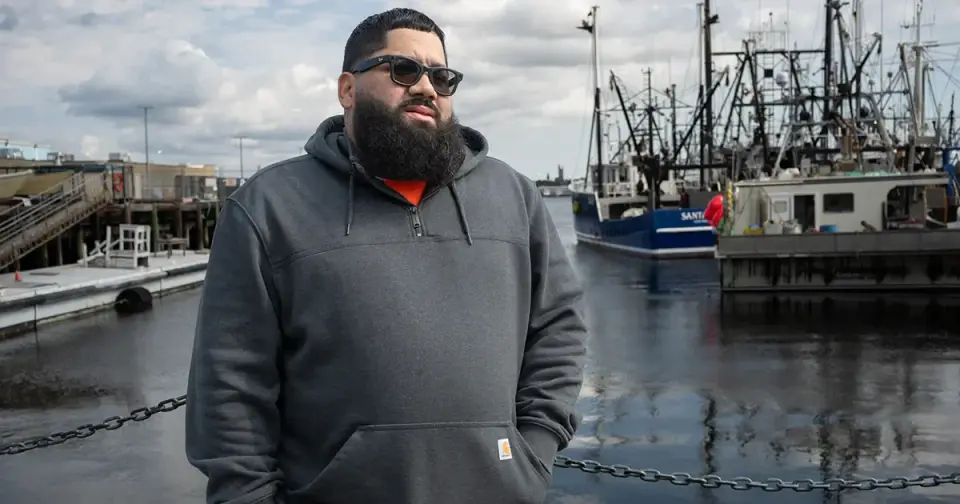
The Trump administration’s aggressive halt of offshore wind development has left New England port cities with empty infrastructure and thousands of unemployed workers. While completed projects like Vineyard Wind and Revolution Wind remain operational, future development is frozen, causing international developers to redirect funds to Europe and Asia. Local economies that invested hundreds of millions in wind-specific infrastructure now face long-term unemployment and financial losses.
Key points
- The administration has frozen permits for all future offshore wind projects and is seeking to rescind permits for existing ones, including the operational Revolution Wind farm.
- Massachusetts invested $140 million in a New Bedford pier that is now empty, while Connecticut invested over $211 million in a New London pier that will lack tenants after 2027.
- Vineyard Wind employed over 3,700 workers during its construction, but the next developer, SouthCoast Wind, has indefinitely delayed its project, leaving union members without work.
- International developers like Ørsted have shifted focus to 'core markets' in Europe and Asia, citing the U.S. regulatory environment as unsustainable.
- Fishermen who supplemented incomes with wind work are losing that revenue, while union workers are returning to lower-paying seasonal jobs or unemployment.
Background
This situation follows a period of rapid expansion in U.S. offshore wind, where states like Massachusetts and Connecticut invested heavily in port infrastructure to support Biden’s goal of 30 gigawatts of capacity by 2030. Recent archive coverage notes that while some projects like Revolution Wind reached full operation in late 2026, the federal government has simultaneously pursued legal challenges to rescind permits, creating a volatile environment for the industry.
How outlets are covering it
ProPublica and its partners (The New Bedford Light, The Connecticut Mirror, Ocean State Media) emphasize the human and economic cost to local workers, highlighting empty piers and lost wages. The U.S. Department of the Interior defends its actions by labeling offshore wind as an expensive, unreliable energy source subsidized by taxpayers. Industry leaders like Ørsted’s CEO state they have no expectations to increase U.S. exposure, while local officials like New London Mayor Michael Passero describe the loss of a 'limitless' future for their communities. Fishermen present a mixed view, noting that wind work provided crucial income during fishing quotas, though some remain critical of the environmental impact.
Why it matters
The collapse of the offshore wind pipeline threatens the economic stability of New England port cities that relied on the industry for revitalization. It also signals a significant shift in U.S. energy policy, potentially delaying climate goals and redirecting global investment away from American infrastructure. The uncertainty created by federal permit rescissions undermines the financial viability of the entire sector, affecting thousands of jobs and local businesses.
What to watch
The U.S. Department of the Interior is awaiting a court decision on whether to reconsider the permit for the operational Revolution Wind farm. Developers like SouthCoast Wind have indefinitely delayed projects, and international firms are redirecting capital to Europe and Asia. Local port authorities are seeking new tenants for their wind-specific infrastructure, but no contracts have been announced. The Bipartisan American Affordability and Jobs Act remains in debate, with the White House pushing it as a legacy win despite Democratic opposition.
- The Offshore Wind Industry Gave Him the Well-Paying Work He Needed. Then Trump Gutted It. ProPublica
- Fishermen’s offshore wind work drying up The New Bedford Light
- Offshore wind saved a struggling New Bedford union. Now its future is uncertain WBUR
- Offshore wind offered a ‘limitless’ future for CT. Trump scuttled the plan CT Mirror
- Weathering the storm: Tracking federal actions against offshore wind Clean Air Task Force
Want the full story? Read the original reporting
Read on ProPublica