
El-Sayed’s Viral Confrontation with GOP Operative Teepell Highlights Michigan Senate Fight Over Faith and Loyalty
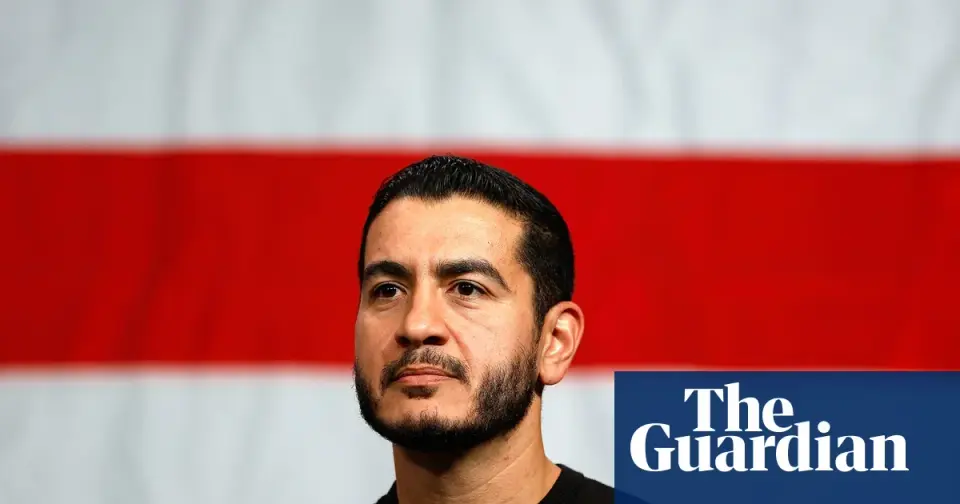
Abdul El-Sayed, the Democratic candidate for US Senate in Michigan, has adopted a confrontational strategy to counter Islamophobic attacks and questions about his loyalty. In a viral town hall exchange, he disavowed the Muslim Brotherhood but challenged the questioner, identified as Thomas Teepell, a former aide to Senator Josh Hawley, on the assumption of dual loyalties. El-Sayed compared the scrutiny to historical doubts about JFK’s Catholicism, asserting that the US Constitution is his sole guiding authority. This approach follows a wave of Islamophobic rhetoric, including Trump’s 'jihadist' label and a 1,900% spike in online hate posts, though it has drawn mixed reactions from voters and media figures.
Key points
- El-Sayed won the Michigan Democratic primary by 1.5 points, defeating establishment-backed rival Haley Stevens despite over $60m in outside spending against him, largely from pro-Israel groups.
- A town hall clip viewed over 50 million times shows El-Sayed disavowing the Muslim Brotherhood but turning the question back on the asker, Thomas Teepell, who is linked to a non-profit paid $250,000 for anti-El-Sayed marketing.
- El-Sayed’s half-sister posted in 2012 about their mother’s 1970s activism in the Muslim Brotherhood; El-Sayed states he was raised by his father and did not know his mother’s activities, though he signed a 2012 letter supporting Egyptian President Mohamed Morsi.
- Islamophobic posts naming El-Sayed rose 1,900% after his primary win, according to the Center for the Study of Organized Hate, while Senator Tommy Tuberville called him a terrorist and Trump labeled him a 'jihadist'.
- El-Sayed’s confrontational style, nicknamed 'Mean Mamdani' by some, contrasts with the warmer approach of NYC Mayor Zohran Mamdani, and has led to mixed voter reactions, including concerns from some Jewish voters about his rhetoric.
Background
El-Sayed’s campaign has faced sustained scrutiny since the 2026 primary, where he challenged the assumption that confronting powerful donors over Israel policy would cost him support. Earlier coverage noted tensions with Fox News over his coverage and a skipped debate with Republican opponent Mike Rogers, who accused El-Sayed of avoiding scrutiny. The current confrontation extends a broader pattern of Islamophobic attacks against Muslim candidates, as documented in a Rutgers report covering cases since 2001, and follows a wave of online hate and political labeling that intensified after his primary victory.
How outlets are covering it
The Guardian emphasizes El-Sayed’s strategy of putting critics on trial to expose rigged political debates, noting his primary victory challenged assumptions about donor influence. CNN highlights the GOP’s focus on the Muslim Brotherhood and family ties, including his mother’s work for the Islamic American Relief Agency, while El-Sayed frames the attacks as 'dual loyalty' accusations similar to those faced by JFK and Obama. Slate presents the town hall exchange as a 'political Rorschach test,' with some voters finding El-Sayed’s confrontational style off-putting or 'overly masculine,' while others see it as a necessary defense against bigotry. MS NOW frames the exchange as a masterclass in defending religious freedom via the Constitution, contrasting El-Sayed’s response with Christian nationalist assumptions. Outlets disagree on the effectiveness of his approach: The Guardian and MS NOW view it as a successful rebuttal, while Slate notes mixed voter reactions and concerns from Jewish communities, and CNN details the specific family and policy links used by opponents.
Why it matters
The Michigan Senate race is a key 2026 midterm battleground, and El-Sayed’s campaign strategy reflects broader tensions over Islamophobia, donor influence, and religious identity in US politics. His confrontational approach challenges the assumption that Muslim candidates must accept insinuations of disloyalty, while the wave of hate and media scrutiny highlights the ongoing struggle for Muslim and Middle Eastern candidates to prove their legitimacy beyond their faith. The outcome will influence how future candidates navigate similar attacks and the role of media in framing political debates around identity and loyalty.
What to watch
El-Sayed will face Republican opponent Mike Rogers in the November 2026 general election, with polls showing him ahead but betting markets giving him a 70% chance of winning. The campaign is expected to continue focusing on the economy, healthcare, and Israel policy, while El-Sayed may face further scrutiny over family ties and past statements. Media coverage and voter reactions to his confrontational style will likely shape the narrative, with potential for more viral exchanges or backlash from both sides.
- ‘What are you implying?’: El-Sayed confronts critics head-on as attacks ramp up | Democrats The Guardian
- Why the Muslim Brotherhood has become a flashpoint in the Michigan Senate race | CNN Politics CNN
- Abdul El-Sayed’s Viral Moment With a Heckler Was Revealing—but Not in the Way the Heckler Intended Slate
- Opinion | Abdul El-Sayed had an easy response to 'Tommy's' viral gotcha moment: the U.S. Constitution MS NOW
- Man who heckled Abdul El-Sayed is former Josh Hawley aide, records show The Guardian
Want the full story? Read the original reporting
Read on The Guardian