
Leaked Emails Reveal ICE Coordinated with Iran to Deport 100+ Nationals Amid Active War
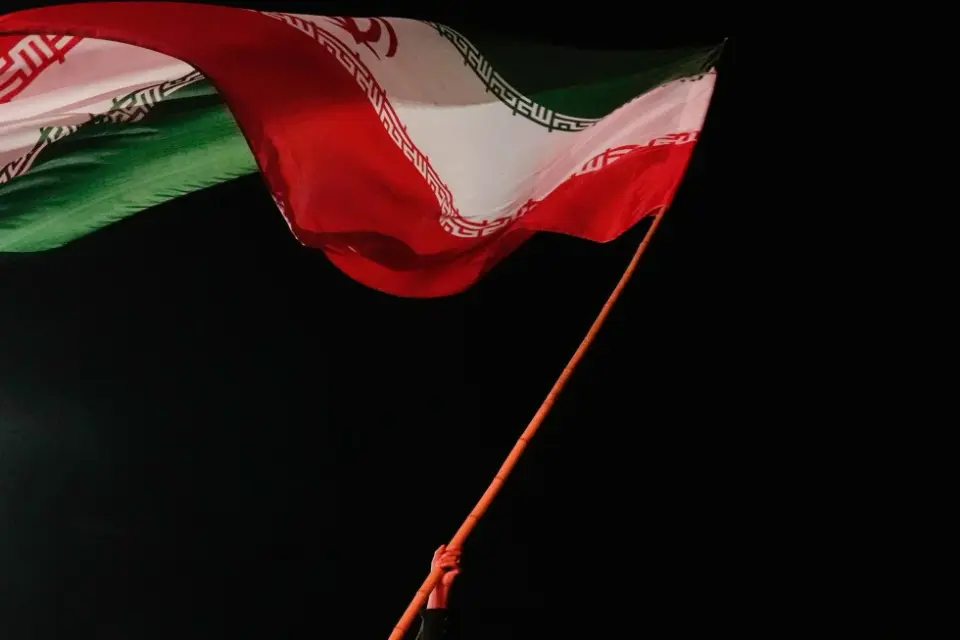
Newly released emails reveal that U.S. Immigration and Customs Enforcement (ICE) actively coordinated with the Iranian government to deport over 100 Iranians in late 2025 and early 2026, even while the U.S. and Israel were engaged in a 12-day war with Iran. The correspondence, obtained by the National Iranian American Council (NIAC), shows ICE officials heeding Iranian requests to alter deportation lists and expedite removals, despite ongoing conflict and closed Iranian airspace. This marks a sharp departure from decades of U.S. policy that protected Iranian dissidents from repatriation. While the Department of Homeland Security (DHS) denies sharing asylum records, critics argue the operation prioritized mass removals over human rights, sending individuals to a regime they accused of persecution.
Key points
- ICE coordinated with Iran to deport over 100 nationals across three flights in September 2025, December 2025, and January 2026, with a fourth flight planned for March 2026.
- The first flight departed from Louisiana on September 29, 2025, carrying 54 Iranians to Tehran via Qatar, despite expectations of 120 passengers.
- ICE officials, including acting director Todd Lyons and removal operations head Marcos Charles, prioritized deportations during the June 2025 Twelve-Day War, even as Iranian airspace was closed.
- Iranian officials influenced deportation lists, with ICE complying with requests to add specific individuals and amend manifests, according to leaked emails.
- DHS denies sharing asylum application records with Iran, stating all deportees had final removal orders and due process, while NIAC and legal advocates argue the policy violated human rights norms.
Background
This story follows a pattern of ICE actions under the Trump administration, including a July 2026 lawsuit by a Rochester, New York man alleging First Amendment violations after agents visited his home over an email to ICE director Todd Lyons. It also occurs amid escalating U.S.-Iran tensions, including a June 2025 12-day war and Iranian lawmakers' calls for military action against U.S. bases. The current deportation coordination contrasts with prior U.S. policy that protected Iranian dissidents since the 1979 Islamic Revolution.
How outlets are covering it
AP News and CBS News emphasize the direct coordination between ICE and Iran, highlighting how Iranian officials influenced deportation lists and how ICE proceeded despite the active war. The Intercept focuses on the contradiction between Trump's public criticism of Iran's human rights record and the administration's actions to deport Iranians, noting that some deportees were forced onto planes and that ICE's Tel Aviv office played a key role in logistics. The Independent underscores the irony of Trump warning people to evacuate Tehran while ICE prioritized deporting Iranians to the same country. DHS, in contrast, denies sharing sensitive asylum records and asserts that all deportees had final removal orders and due process, framing the operation as standard consular coordination. NIAC and legal advocates, however, argue the emails expose a policy that prioritized mass removals over the safety of vulnerable individuals, undermining claims of protecting Iranians from a repressive regime.
Why it matters
The leaked emails expose a fundamental contradiction in U.S. foreign and immigration policy: while the Trump administration publicly condemned Iran's human rights abuses and warned citizens to flee Tehran, ICE actively collaborated with the Iranian government to deport Iranians to that same regime, even during an active war. This raises serious questions about the administration's commitment to protecting vulnerable populations and its adherence to due process, as critics argue the operation sent individuals to a government accused of persecution. The incident also highlights the potential for diplomatic backchannels to override humanitarian concerns, setting a precedent that could affect future asylum and deportation policies for other countries. For the U.S., it risks undermining its moral authority and complicating relations with Iran, while for Iranians in the U.S., it signals a shift away from decades of protective policy, potentially chilling asylum claims and increasing fear among immigrant communities.
What to watch
A fourth deportation flight was scheduled for late March 2026 but was reportedly derailed by renewed U.S.-Israeli strikes on Iran in late February 2026. The National Iranian American Council and legal advocates are likely to push for further investigations into whether ICE shared asylum records with Iran, as alleged in a July 2026 lawsuit. DHS may face increased scrutiny over its coordination with hostile foreign governments, and the Trump administration could face pressure to clarify its stance on Iranian asylum-seekers. The outcome of ongoing legal challenges and potential congressional inquiries will determine whether the administration adjusts its deportation policies or continues to prioritize removals over humanitarian concerns.
- A quiet channel between ICE and Iran shaped deportation flights, newly released emails show AP News
- ICE, Iran quietly worked together on deporting Iranians to Iran, emails show CBS News
- ICE Worked With Iranian Regime to Set Up Deportation Flights as Trump Laid Plans for War The Intercept
- ICE Handed Over Specific Iranians at the Islamic Republic's Request Reason Magazine
- Trump warned people to evacuate Tehran as ICE made Iranian deportations a ‘priority’ The Independent
Want the full story? Read the original reporting
Read on AP News