
Ex-Adviser Calley Means Accuses White House of Sabotaging Health Agenda for Donor Cash
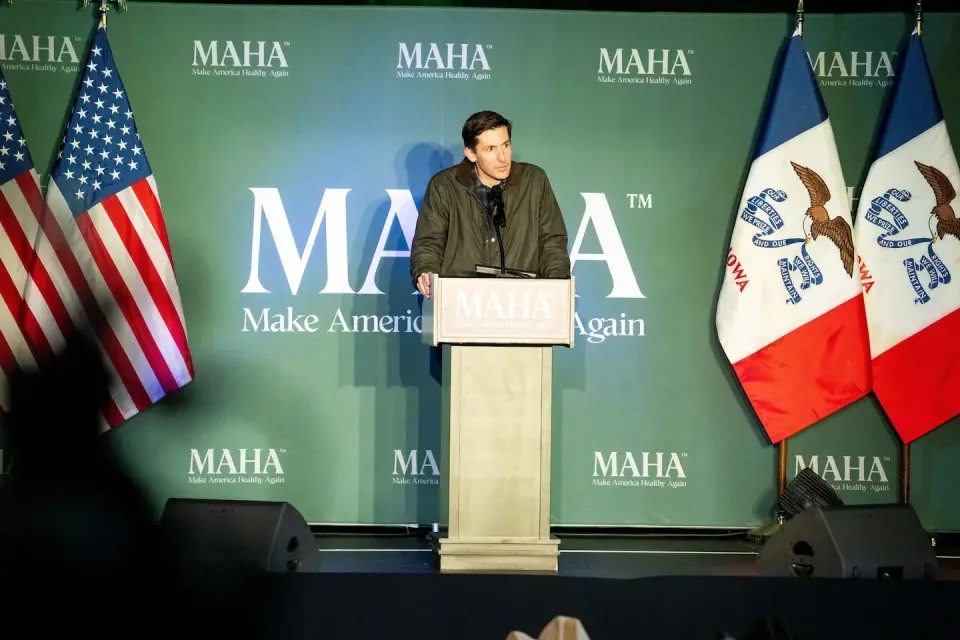
Former HHS adviser Calley Means has accused White House Chief of Staff Susie Wiles and other officials of blocking public health initiatives to secure campaign donations from the tobacco and pharmaceutical industries. Means claims these officials prioritized industry interests over the Make America Healthy (MAHA) agenda, leading to Wiles' resignation and a shift in White House leadership.
Key points
- Calley Means, a former senior adviser to Health Secretary Robert F. Kennedy Jr., resigned from the Trump administration two weeks ago. In a recent interview, he accused White House Chief of Staff Susie Wiles and other senior staff of prioritizing campaign donations over public health policies. Means claims these officials blocked initiatives like the Make America Healthy Again movement to appease industry lobbyists. The White House rejected these claims, stating that significant health victories have already been achieved. Trump has since replaced Wiles with Stephen Miller.
- Calley Means, a former senior adviser to Health Secretary Robert F. Kennedy Jr., resigned from the Trump administration and publicly accused White House staff of corruption. In an interview, he alleged that officials prioritized enriching their families and favoring corporate lobbyists over public health goals. The White House rejected these claims, citing recent policy victories, while President Trump replaced the named chief of staff with Stephen Miller.
- Wisconsin Senator Ron Johnson accused the Trump administration of corruption, citing allegations by former health official Calley Means that aides prioritized special interests over public health. The White House denied the claims, while Means detailed how officials allegedly blocked policies on vaping and ultra-processed foods to secure campaign donations.
Background
This dispute arises within the broader context of the Trump administration's 'Make America Healthy Again' (MAHA) initiative, which was a central part of the 2024 campaign platform endorsed by Robert F. Kennedy Jr. The conflict highlights internal tensions between populist health advocates and traditional political operatives regarding the influence of corporate lobbying on policy decisions. Previous coverage noted that Means had already resigned and begun making these allegations, but the current escalation involves specific accusations against the White House Chief of Staff and a direct response from the Attorney General.
How outlets are covering it
The Washington Post and CBS News present Means' allegations as a serious internal conflict, detailing specific accusations that Wiles and her deputy James Blair prioritized industry donations over health policies, such as blocking soda from SNAP benefits and approving flavored vapes. CBS News notes that Wiles has resigned, with sources linking her departure to Republican midterm defeats. In contrast, Axios highlights the dismissal of these claims by Attorney General Todd Blanche, who called Means a 'disgruntled former administration official' and refused to investigate. Blanche praised Wiles, while Wiles' spokesperson called the accusations 'outrageous' and 'defamatory.' Additionally, James Blair denied promoting flavored vaping, stating he was merely following presidential instructions to ensure timely FDA decisions. The Wall Street Journal is cited by Axios as reporting that Trump personally pressured the FDA on vaping, contradicting Means' claim that the president was kept in the dark.
Why it matters
The allegations suggest a potential corruption scandal within the Trump administration, where public health policies may have been compromised for political fundraising. The resignation of Susie Wiles and the appointment of Stephen Miller as the new Chief of Staff signal a significant shift in White House leadership. Furthermore, the dispute raises questions about the integrity of the FDA's decision-making process, particularly regarding the approval of flavored vapes and the handling of glyphosate regulations, which have implications for public health and corporate accountability.
What to watch
Stephen Miller is set to take over as White House Chief of Staff on Monday. The Justice Department has declined to investigate Means' allegations, but the controversy may continue to impact the administration's credibility on health issues. An ongoing EPA review of glyphosate is expected to conclude in early 2027, and the Supreme Court's recent ruling on pesticide liability may face further scrutiny. Means has expressed confidence in Trump's stance on health but has called for a cleanup of the White House staff.
- White House staff gave Trump bad advice, treated him ‘like a baby,’ ex-aide says The Washington Post
- Former RFK Jr. adviser accuses Susie Wiles, other Trump officials of corruption, blocking MAHA policies CBS News
- Republican Sen. Ron Johnson accuses Trump administration of corruption The Washington Post
- Trump Chief of Staff Accused of Blocking Healthy-Food Policies to Attract Donations The New York Times
- Blanche dismisses Means allegations as GOP's MAHA feud deepens Axios
Want the full story? Read the original reporting
Read on The Washington Post