
Federal Court Halts Big Bend Border Wall, Voiding Environmental Waivers
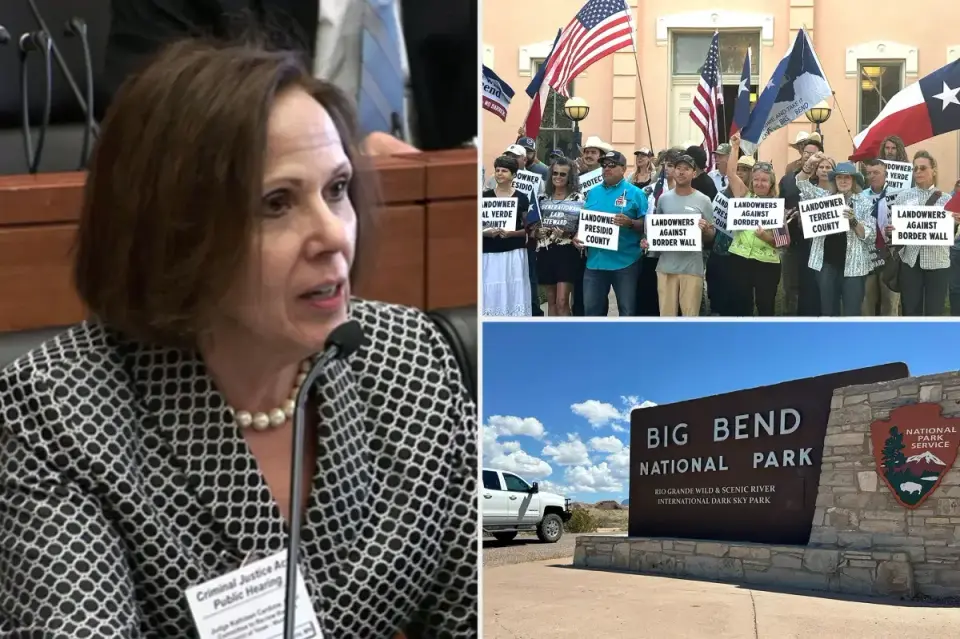
A federal judge has issued a preliminary injunction blocking the Trump administration from constructing border barriers in Texas’s Big Bend region. The ruling, issued by Judge Kathleen Cardone, halts all ground-disturbing activities within one mile of the Rio Grande and inside Big Bend National Park. The court also voided federal waivers that allowed the Department of Homeland Security to bypass environmental and cultural resource laws. The decision comes after months of bipartisan opposition and follows the expiration of a temporary construction pause in late September.
Key points
- Judge Kathleen Cardone ruled that plaintiffs are likely to succeed in their claims that the administration violated laws by bypassing environmental protections.
- The injunction stops construction of 30-foot steel walls, vehicle barriers, and roads across the 517-mile Big Bend sector.
- The ruling voids federal waivers that allowed the government to skip reviews under the National Park Service Organic Act and Endangered Species Act.
- The Center for Biological Diversity, Friends of the Ruidosa Church, and local landowners are the primary plaintiffs in the lawsuit.
- The administration has stated it is working with the Department of Justice on next steps and may appeal the decision.
Background
The Big Bend border wall project is part of a broader $46 billion federal initiative to secure the southern border. Previous coverage noted that Texas Republicans were divided on the plan, with some supporting a pause due to local outrage over land seizures. In August 2026, a temporary pause was secured after bulldozers were spotted clearing land in Big Bend National Park, but that pause expired on September 30. The current ruling follows a period of heightened tension, including a separate dispute in San Ygnacio, Texas, where residents challenged federal claims to private riverfront land.
How outlets are covering it
The Center for Biological Diversity and local advocates, such as Laiken Jordahl and Susan Hays, described the ruling as a 'historic victory' and a 'total victory,' emphasizing that the Big Bend region is the least trafficked sector on the border. They argued that the administration’s use of waivers was legally unjustified and that the rugged terrain serves as a natural deterrent. Conversely, U.S. Customs and Border Protection defended the project, stating they remain confident in their legal authorities to secure the border while preserving the landscape. The agency indicated it is working with the Department of Justice on next steps and had previously signaled it might pursue eminent domain cases against non-cooperative landowners. The Guardian highlighted the human impact, noting that residents in San Ygnacio have faced arrests and property damage, while the Center for Biological Diversity pointed out that the Big Bend sector accounts for only 1.3% of border apprehensions, questioning the necessity of such extensive infrastructure.
Why it matters
This ruling represents a significant legal setback for the Trump administration’s border infrastructure goals, potentially delaying a multi-billion dollar project. It highlights the tension between federal enforcement priorities and environmental protections, particularly in national parks. The voiding of federal waivers sets a precedent that could affect other border construction projects where environmental laws have been bypassed. The decision also underscores the growing role of local communities and environmental groups in challenging federal border policies through the courts.
What to watch
The administration is expected to appeal the ruling, which could eventually reach the U.S. Supreme Court. The Department of Homeland Security has not yet responded to requests for comment regarding the appeal. Local advocates are calling for the administration to repair damage already done to Big Bend National Park and develop alternative border security solutions. The case will proceed to a merits hearing, where the court will determine the long-term legality of the border wall project in the region.
- Judge temporarily blocks Trump administration from building border wall in Texas’ Big Bend region New York Post
- Judge halts Big Bend area border wall construction, use of federal waivers Marfa Public Radio
- Court Grants Emergency Injunction to Block Big Bend Border Construction Center for Biological Diversity
- A small Texas town stopped Trump’s border wall construction – for now The Guardian
- Judge halts border barrier construction in Big Bend The Texas Tribune
Want the full story? Read the original reporting
Read on New York Post