
Federal Election Interference Escalates as Courts Reject Trump Administration's Pre-Election Challenges
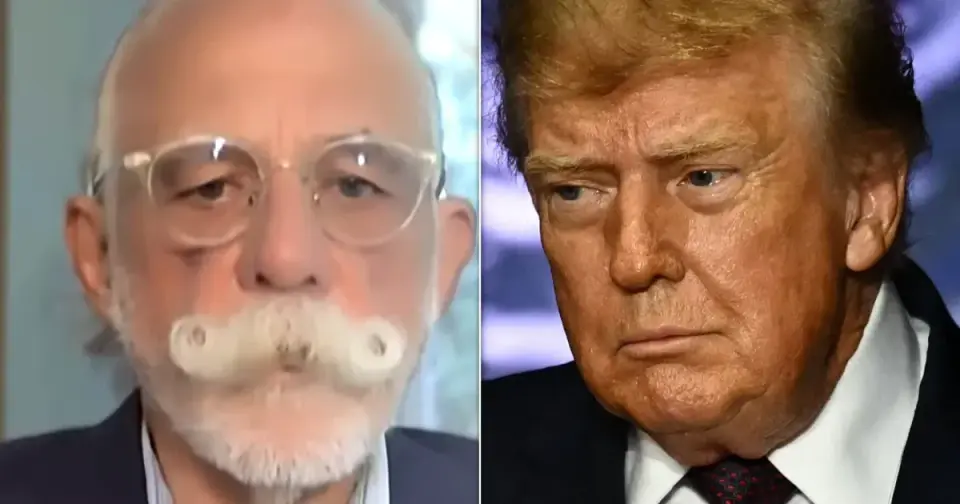
The Trump administration has launched unprecedented legal and operational interventions in the 2026 midterms, including lawsuits to block ballot counting in California and certification in Alaska, alongside armed door-knocking by immigration agents. While the administration claims these actions protect election integrity, courts have largely rejected the federal government's demands, and experts describe the efforts as chaotic and legally weak. Former Trump lawyer Ty Cobb predicts these legal battles will continue well beyond Election Day, warning of a prolonged period of contested certifications.
Key points
- The Justice Department sued to block California from counting 20,000 mail-in ballots allegedly cast by noncitizens, a move a federal judge rejected as meritless.
- The administration filed a lawsuit to prevent Alaska from certifying its U.S. Senate race if incumbent Dan Sullivan loses, citing a 'spoiler' candidate with the same name.
- Homeland Security agents conducted door-knocking operations in multiple states, leading to a federal court injunction blocking such activities in nine states.
- The DOJ is deploying approximately 1,000 election monitors across all 50 states, a significant increase from previous cycles, while threatening prosecution of election officials.
- Former Trump White House attorney Ty Cobb warned that the administration's efforts to sow confusion will likely result in a long series of contested elections and certifications after November 3.
Background
This escalation follows months of tension, including the October 12 federal search of Rep. Ilhan Omar's home, which her legal team argued violated judicial protocols and legislative privileges. The current actions represent a shift from rhetoric to concrete legal and operational interference, contrasting with the administration's previous refusal to join litigation in 2020. The administration has also faced setbacks in other areas, including a Supreme Court block on a mail voting executive order and a loss in Missouri redistricting cases.
How outlets are covering it
HuffPost and Democracy Docket emphasize the administration's intent to create chaos and suppress Democratic turnout, citing Ty Cobb's warning of prolonged legal battles and the DOJ's threats to prosecute officials. AP News frames the actions as a transition from rhetoric to action, noting that while the administration claims to protect elections, its lawsuits are seen as impulsive and legally weak by experts like Derek Muller. Mother Jones highlights the 'complete failure' of these efforts, pointing out that the administration is 0-27 in lawsuits to seize voter data and that the 28 arrests in California represent a negligible fraction of the voter roll. All sources agree that the federal government is acting as an adversary to state election officials, a departure from historical norms, though they differ on the likelihood of these actions successfully altering election outcomes.
Why it matters
The administration's actions test the limits of federal power over state-run elections, raising concerns about the integrity of the democratic process. The legal challenges and operational interventions could lead to prolonged uncertainty and contested certifications, potentially undermining public confidence in the election results. The courts' rejection of these claims so far suggests that the Constitution and existing laws may hold, but the aggressive tactics signal a new era of federal interference in local elections.
What to watch
The immediate focus is on the November 3 election, with early voting already underway and over 35 million Americans having cast ballots. Courts are expected to rule on the remaining federal challenges, including the Alaska certification lawsuit. Post-election, the administration may face a series of contested certifications and legal battles, as predicted by Ty Cobb. The DOJ's deployment of 1,000 monitors and potential further lawsuits in other states could extend the conflict beyond Election Day.
- Ex-Trump Lawyer Has A Dire Prediction For What Comes After Election Day HuffPost
- Stolen election rhetoric from Trump isn’t new. His ability to act on those claims is AP News
- Trump’s Attempts to Interfere in the Midterms Have Been “Complete Failures” Mother Jones
- It’s happening: From Alaska to California, the Trump administration is working to subvert the midterms Democracy Docket
- How Trump Could Interfere With the Midterms on Election Day, and the Days After Time Magazine
Want the full story? Read the original reporting
Read on HuffPost