
Federal Judge Dismisses DOJ Suit to Block Alaska Senate Certification
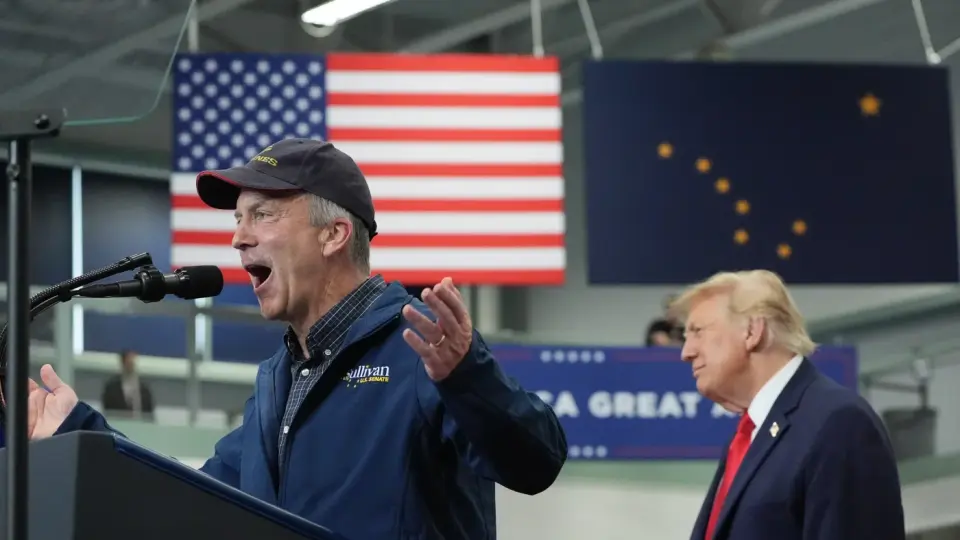
A federal judge has dismissed the Trump administration's lawsuit seeking to delay the certification of the 2026 Alaska U.S. Senate election results. The ruling, issued by Judge Sharon Gleason two days before Election Day, found that the federal government lacks the legal standing to intervene in state election certification or segregate ballots based on alleged voter confusion. This decision clears a major legal obstacle for the race between incumbent Republican Dan Sullivan and Democrat Mary Peltola, though state-level investigations into campaign conduct continue.
Key points
- U.S. District Judge Sharon Gleason ruled that the federal government does not have the authority to block the certification of the Alaska Senate race or force the segregation of ballots.
- The Justice Department had filed the lawsuit on October 22, arguing that the presence of two candidates named Dan Sullivan on the ballot could cause voter confusion and invalidate the results if the incumbent lost.
- Judge Gleason stated that the government failed to provide a workable plan for segregating ballots while maintaining voter secrecy, and that such intervention violates state control over the time, place, and manner of elections.
- The ruling is expected to be appealed by Justice Department attorneys, who cited the National Voter Registration Act in their initial filing.
- Alaska Governor Mike Dunleavy has ordered a separate state investigation into the Democratic campaign's alleged recruitment of the second candidate, Daniel J. Sullivan Jr.
Background
The 2026 Alaska Senate race is critical for determining control of the U.S. Senate, with Republicans currently holding a 53-seat majority. The dispute arose after a New York Times report alleged that Democratic operatives recruited a retired teacher, Daniel J. Sullivan Jr., to run as a spoiler candidate against incumbent Dan Sullivan. Previous coverage noted that the DOJ fast-tracked this lawsuit in late October, adding Supremacy Clause claims, while the Peltola campaign and state officials argued the federal government lacked jurisdiction over state election certification.
How outlets are covering it
NPR and CNBC emphasize the legal standing issue, noting that Judge Gleason, a nominee of former President Barack Obama, found the federal government could not intervene in state election processes. CNN highlights the timing, pointing out that the ruling came just two days before Election Day, effectively ending the federal attempt to delay results. The Guardian frames the dismissal as a victory for voting rights experts who called the DOJ's move an 'unprecedented intervention.' While all sources agree on the dismissal, they differ in emphasis: NPR and CNBC focus on the legal mechanics of the ruling, whereas The Guardian and CNN contextualize it within the broader political battle over Senate control and the allegations of Democratic campaign interference.
Why it matters
The dismissal of the DOJ lawsuit removes a significant federal barrier to the certification of the Alaska Senate race, allowing the election outcome to proceed without federal delay. This decision reinforces the principle that state governments control the time, place, and manner of elections, limiting federal executive interference in state-level voting processes. The outcome will directly impact the balance of power in the U.S. Senate, as Democrats need to flip seats to maintain a majority.
What to watch
Justice Department attorneys are expected to appeal Judge Gleason's ruling. Meanwhile, Alaska Governor Mike Dunleavy has indicated that the state may not certify the results if its ongoing investigation finds wrongdoing in the recruitment of the second candidate. Incumbent Dan Sullivan has stated he will accept the election results regardless of the outcome, while the race remains closely watched for its impact on Senate control.
- Judge tosses Trump's attempt to block Alaska Senate results if GOP incumbent loses NPR
- Judge throws out DOJ attempt to delay certification of Alaska Senate race CNN
- Judge dismisses DOJ lawsuit over Alaska Senate election CNBC
- Judge dismisses Trump attempt to block Alaska Senate race results if Republican loses The Guardian
- Sullivan claims Peltola is 'still lying' about campaign's involvement in Alaska ballot controversy AP News
Want the full story? Read the original reporting
Read on NPR