
Federal Judge Scrutinizes Rush to Build Trump's 250-Foot Arch Near Arlington
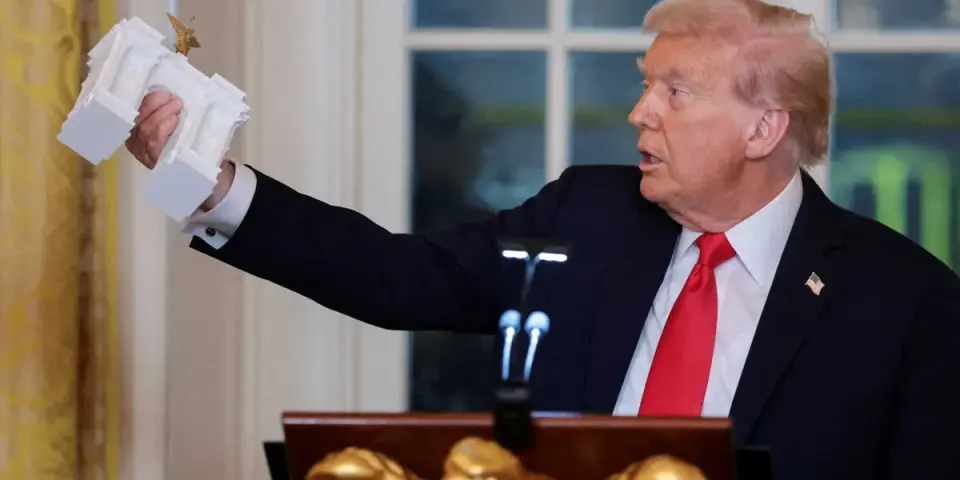
Federal Judge Tanya Chutkan questioned the Trump administration's urgency to begin construction of a 250-foot arch near Arlington National Cemetery, citing conflicting justifications and potential harm to historic sightlines. Cornell professor Thomas Campanella criticized the project as a vanity monument that disrupts sacred visual axes, while veterans groups and local officials opposed the plan due to its impact on burial sites and legal standing.
Key points
- Judge Tanya Chutkan questioned the administration's rush to start construction, asking why the government could not wait three to four months and challenging the national security justification for the arch.
- The proposed 250-foot arch, originally framed as a 250th-anniversary monument, is now described by the administration as a dual-purpose tourist attraction and military installation for storing drones and ammunition.
- Cornell University city planning professor Thomas Campanella argued the structure would disrupt the sacred visual axis between the Lincoln Memorial and Arlington National Cemetery, a sightline protected since the 1940s.
- The Washington Post reported that the arch's shadow would fall on over 75,000 graves at Arlington National Cemetery on 284 days a year, including the eternal flame of President John F. Kennedy.
- Rep. Don Beyer supported the lawsuit filed by Virginia and D.C., calling the arch illegal and harmful, while veterans groups filed briefs supporting the legal challenge despite some reservations about the design.
Background
This controversy follows earlier legal battles over White House construction projects, including the ballroom, where the Supreme Court ruled in favor of the administration in August 2026. The current dispute centers on the arch's location at Memorial Circle, a site historically protected to preserve the visual connection between the Lincoln Memorial and Arlington National Cemetery. Previous attempts to build the Pentagon near Arlington were blocked by similar concerns over historic sightlines, leading to its current location away from the cemetery.
How outlets are covering it
The Trump administration and its legal team, represented by Justice Department attorney Robert Stander, argued that the arch serves a national security purpose by housing military equipment and deterring assassination attempts, despite the structure not being completed for three years. Judge Chutkan was skeptical of this claim, noting that the administration had previously backtracked on military justifications in lawsuits and that the area is expected to attract 22,000 civilian tourists daily. In contrast, Cornell professor Thomas Campanella emphasized the architectural and historical significance of the site, arguing that the arch serves no meaningful purpose other than presidential vanity and would disrupt a protected visual axis. Veterans groups and local officials, including Rep. Don Beyer, focused on the tangible harm to burial sites and the legal standing of the challengers, while some veterans groups expressed reservations about the specific design despite supporting the legal challenge. The Washington Post highlighted the physical impact of the arch's shadow on Arlington National Cemetery, providing detailed data on the number of graves affected.
Why it matters
The case tests the limits of presidential authority over historic and sacred sites in Washington, D.C., and the role of the judiciary in balancing national security claims with public and historical interests. The outcome could set a precedent for future construction projects in the nation's capital and influence how courts evaluate standing and urgency in cases involving public monuments and military installations.
What to watch
Judge Chutkan is expected to issue a ruling on whether to halt construction, which could begin as soon as Thursday. The National Capitol Planning Commission is scheduled to meet next week to finalize plans, and additional lawsuits from Virginia and other jurisdictions may follow. The administration's ability to proceed will depend on the court's assessment of the national security justification and the standing of the plaintiffs.
- Ivy League expert exposes the pointlessness of Trump's vanity project Alternet
- DOJ attorneys struggle to explain how Trump's Triumphal Arch would protect national security WUSA9
- Morning Notes for November 2, 2026 ARLnow
- D.C. and Virginia sue to block Trump’s proposed triumphal arch The Washington Post
- Trump’s triumphal arch faces more opposition, with judge asking if desire is to ‘bedazzle’ DC CNN
Want the full story? Read the original reporting
Read on Alternet