
DOJ seeks Supreme Court intervention to block California mail-in ballots ahead of midterms
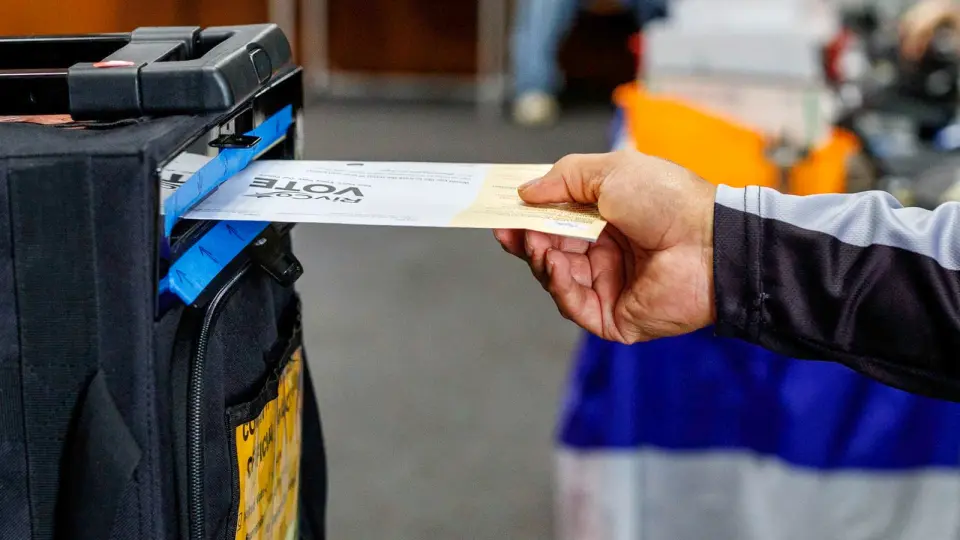
The Trump administration petitioned the Supreme Court on November 2 to halt the counting of approximately 20,000 mail-in ballots in California, alleging the voters are non-citizens. This move follows a 9th Circuit Court of Appeals rejection of the Department of Justice’s bid to block a lower court injunction that allowed the ballots to be counted. The request arrives one day before the November 3 midterm elections, amidst ongoing legal battles over voter eligibility and federal interference in state election procedures.
Key points
- DOJ filed a Supreme Court petition on Nov. 2 to prevent California from counting ballots of 20,000 alleged non-citizens.
- The 9th Circuit rejected the DOJ’s appeal three days prior, upholding a lower court injunction allowing ballot counting.
- Judge David Carter ruled the federal government cannot coerce state election procedures on the eve of an election.
- An analysis by CHIRLA found over 40% of names on the DOJ list are not in California’s voter file.
- DOJ threatened criminal charges against election officials, prompting a temporary restraining order from Judge Trina Thompson.
Background
This dispute follows a series of legal setbacks for the administration’s election policies. In September, the Supreme Court blocked a federal mail-in ballot verification system, and a federal appeals court struck down a third-country deportation policy. On October 27, the 9th Circuit rejected the DOJ’s bid to halt California ballot counting, citing lack of jurisdiction. These events reflect a broader pattern of judicial resistance to federal attempts to override state election management.
How outlets are covering it
CNBC and USA Today emphasize the procedural timeline, noting the Supreme Court petition arrived one day before Election Day after the 9th Circuit denied the DOJ’s appeal. AP News highlights a data dispute, reporting that CHIRLA found over 40% of the listed names are not in California’s voter file, while the DOJ argued this analysis was irrelevant to legal standing and suggested contempt charges. ABC News focuses on the human impact, citing court filings where California election officials described severe anxiety and operational disruptions due to DOJ threats of criminal prosecution. Judge Patrick Bumatay dissented in the 9th Circuit, arguing the government’s request was reasonable to verify eligibility, while the majority feared catastrophic effects on the voting system.
Why it matters
The outcome could set a precedent for federal authority over state election procedures and the validity of citizenship verification lists. If the Supreme Court intervenes, it may delay the certification of results in key California counties, potentially influencing the balance of power in Congress. The dispute also tests the limits of executive power in regulating federal elections, with courts asserting that states retain sovereignty over their electoral processes.
What to watch
The Supreme Court may act on the petition at any time, though no deadline exists. Judge Trina Thompson scheduled a Monday hearing on the DOJ’s appeal of her restraining order blocking threats against election officials. The administration continues to pursue litigation, while California officials prepare for potential disruptions. The midterm results will determine which party controls Congress, making the integrity of the vote a critical factor in the political landscape.
- Trump administration asks Supreme Court to hear California mail-in ballot appeal CNBC
- Justice Department urges sanctions for database analysis critical of its noncitizen voting claims AP News
- Trump asks Supreme Court to get involved in CA ballot fight on eve of election USA Today
- California election workers describe toll of DOJ threats in court filings ABC News - Breaking News, Latest News and Videos
- DOJ withheld key data from court-ordered voter list disclosure, experts say Democracy Docket
Want the full story? Read the original reporting
Read on CNBC