
Fitzpatrick to Force Vote on Russia Diesel Deal via Discharge Petition
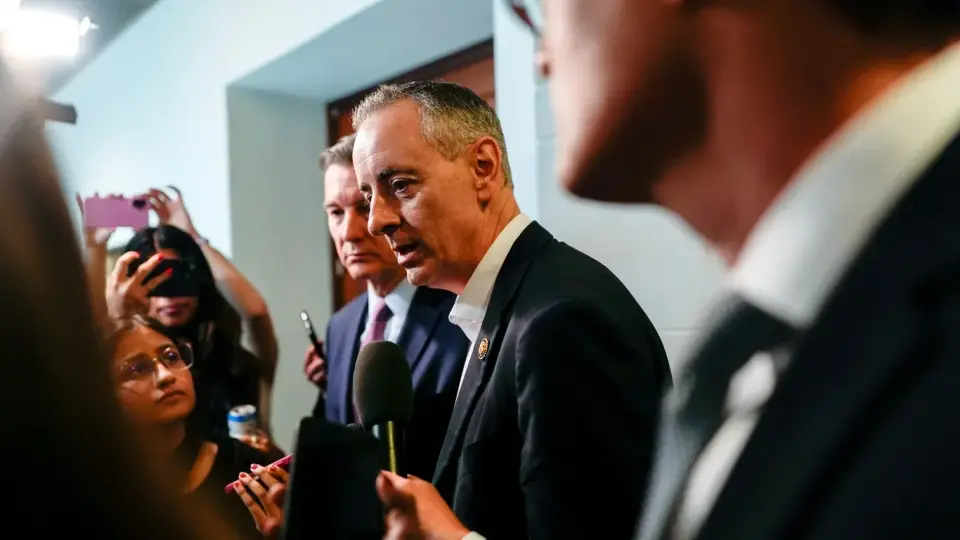
Rep. Brian Fitzpatrick plans to use a discharge petition to force a House vote on legislation blocking the Trump administration's deal for Russian diesel, a move that faces significant procedural and political hurdles before the November midterms.
Key points
- Fitzpatrick, co-chair of the Congressional Ukraine Caucus, intends to introduce the 'Ronald Reagan Peace Through Strength Act' to counter the recent agreement allowing Russia to supply over 300,000 tons of diesel to global markets.
- The discharge petition requires 218 signatures to bypass Speaker Mike Johnson and force a floor vote; retiring Rep. Don Bacon has already agreed to sign, and Fitzpatrick claims the measure will pass overwhelmingly.
- Energy analysts remain skeptical that the additional Russian diesel will meaningfully lower U.S. fuel prices, while Ukrainian President Volodymyr Zelensky criticized the deal as an unfair gift to Vladimir Putin.
- The legislative effort faces a tight timeline, as the House is not scheduled to vote again until after the November 3 midterms, and any bill passing the chamber would still require Senate approval and could face a presidential veto.
Background
This move follows a series of tensions between the Trump administration and Congress regarding energy policy. In late September, Fitzpatrick faced a tough re-election bid in Pennsylvania, where his anti-Trump stance had previously aided his incumbency but was now challenged by high fuel costs. Earlier this month, industry leaders, including Chevron CEO Mike Wirth, warned against a U.S. diesel export ban, citing global supply crunches and logistical hurdles. The current dispute over Russian diesel imports adds another layer to the ongoing debate over how to manage domestic fuel prices ahead of the midterms.
How outlets are covering it
Axios highlights the political maneuvering, noting that Fitzpatrick is the latest Republican to break with Trump in a high-profile way, potentially risking his party's control of Congress. An anonymous House Republican expressed doubt about the petition's viability, suggesting that prudent lawmakers would not commit to it prematurely given the four-week gap before the next session. In contrast, AP News focuses on the economic skepticism surrounding the deal itself, emphasizing that experts doubt the additional diesel will lower prices. While Axios frames the issue as a legislative battle over sovereignty and sanctions, AP centers on the practical energy market implications, creating a divergence between political strategy and economic reality.
Why it matters
The discharge petition represents a rare attempt by a Republican to directly challenge the president's foreign and energy policy through legislative means. If successful, it could signal a deeper rift within the GOP ahead of the midterms. However, the procedural hurdles and the lack of immediate House sessions suggest the bill may stall, leaving the controversial diesel deal in place and potentially affecting global energy markets and U.S. relations with Ukraine.
What to watch
Fitzpatrick must secure 218 signatures before the House reconvenes after November 3. Even if the bill passes the House, it faces the Senate and a likely veto from President Trump. The outcome will depend on whether enough Republicans and Democrats are willing to risk their standing with party leadership to oppose the Russian diesel deal.
- House Republican, invoking Reagan, moves to block Trump's Russia oil deal Axios
- Rebuking Ukraine Over Oil Strikes, Trump Says It Should ‘Get a New President’ The New York Times
- Trump strikes deal with Putin to get diesel in sharp reversal of US policy weeks before midterms Yahoo
- Boosting US oil supplies with Russian diesel unlikely to have much impact on prices, experts say AP News
- Trump’s Announcement Of Russian Diesel Means Nothing Forbes
Want the full story? Read the original reporting
Read on Axios