
Florida Republicans held the line in 2026, but Democrats ended the GOP supermajority
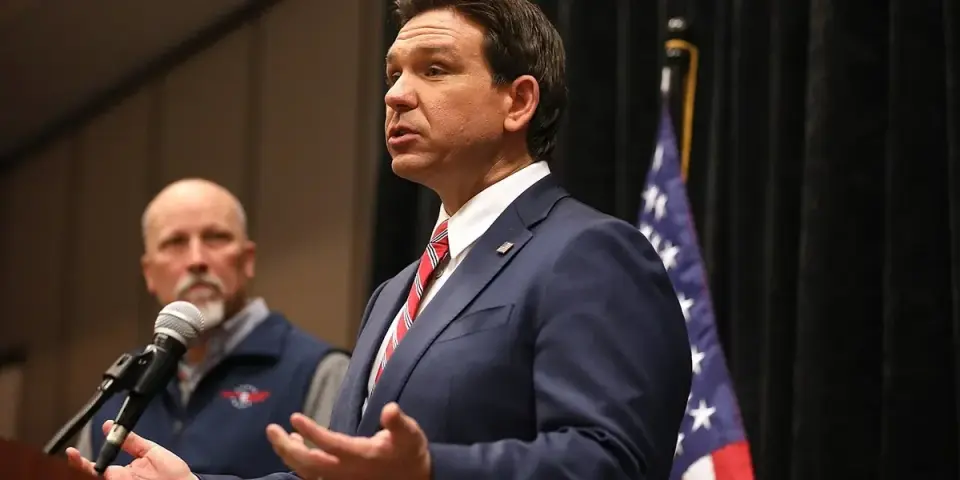
Florida Republicans retained control of the governor’s office and state legislature in the 2026 midterms, but margins narrowed significantly. Democrats ended the GOP supermajority in the state House and gained a Senate seat. Analysts attribute the GOP hold to a large voter registration lead, high fundraising, and the passage of Amendment 3, which lowered property taxes.
Key points
- Republican Byron Donalds won the governor’s race by 1.3 percentage points, succeeding Ron DeSantis. Other GOP statewide candidates won by 2.2% or less.
- Democrats gained 15 seats in the 120-member state House, ending the Republican supermajority. They now hold 50 seats, up from 34. Republicans retain 70 seats.
- Democrats flipped one seat in the 40-member state Senate, ending the GOP supermajority there as well. Republicans hold 25 seats, Democrats 13, with one independent.
- Republican Ashley Moody won the U.S. Senate race against Democrat Angie Nixon, 51% to 48%.
- Voters approved Amendment 3, which increases the homestead exemption for property taxes. Over 60% supported the measure, a higher margin than the governor’s race.
Background
In 2022, Florida Republicans won statewide offices by wide margins, with DeSantis winning by over 19 points. Democrats had a registration advantage of 250,000 voters when DeSantis took office in 2019. By 2026, Republicans held a registration lead of 1.55 million. The 2026 election followed a period of high Democratic turnout in 2024 and a national trend of voting against the party in power.
How outlets are covering it
Alternet.org and The Washington Post emphasize the role of the 1.55 million voter registration lead and Amendment 3 in securing GOP victories. The Orlando Sentinel highlights the loss of the GOP supermajority as a significant shift, noting that Democrats can now delay legislation. Sun Sentinel points to higher Democratic turnout in Broward County and the impact of Hispanic voters, who swung 21 points toward Democrats. All sources agree that the narrow margins indicate a changing political landscape in Florida.
Why it matters
The loss of the supermajority means Republicans must negotiate with Democrats to pass legislation, potentially slowing their agenda. The narrow margins suggest that Florida’s political landscape is more competitive than previously thought, and future elections could be closer. The passage of Amendment 3 may have influenced voter turnout and could have long-term effects on local government revenue.
What to watch
The new legislature will convene in January 2027. Republicans will need to work with Democrats to pass legislation, which could lead to compromises or delays. The 2028 presidential election will be a key test for both parties, with Republicans hoping to maintain their hold on Florida and Democrats aiming to expand their gains.
- Data shows Florida is bleeding out —and it's only a matter of time AlterNet
- Democrats ended the GOP supermajority in the Florida House. What’s next? Orlando Sentinel
- Florida’s midterm election in maps and charts Tampa Bay Times
- Does Florida’s narrow escape from the blue wave hold lessons for Republicans? The Washington Post
- Florida midterm by the data: See where the biggest Democrat shifts occurred Sun Sentinel
Want the full story? Read the original reporting
Read on AlterNet