
Florida's Amendment 3 forces local governments into painful budget cuts and private sector reliance
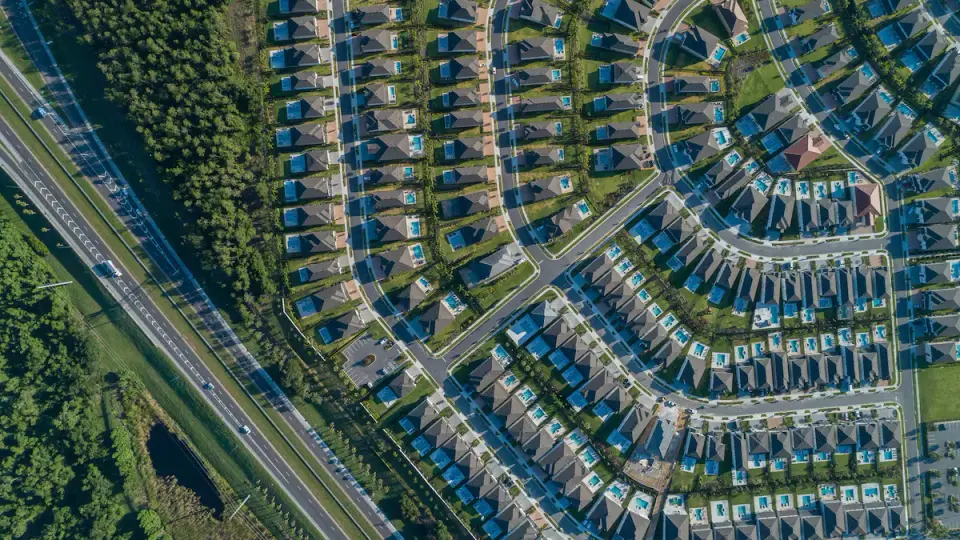
Florida voters passed Amendment 3, which significantly increases property tax exemptions for homeowners but drastically reduces revenue for local governments. Officials now face severe budget shortfalls, leading to potential cuts in public safety, parks, and transit, while some seek private sector partnerships to fill the gaps.
Key points
- Amendment 3 raises the homestead tax exemption cap to $150,000 in 2027 and $250,000 in 2028, reducing property tax revenue for cities and counties.
- Local governments have until fiscal year 2027-2028 to prepare for the financial impact, with many already planning cuts to services like police, parks, and libraries.
- Some officials are exploring private sector partnerships and nonprofit fundraising to offset revenue losses, while others face immediate hiring freezes and equipment cuts.
- The measure is expected to disproportionately affect smaller towns and rural areas, which rely heavily on property taxes and lack the diverse tax bases of larger counties.
Background
The passage of Amendment 3 follows a long-standing debate over property tax reform in Florida, with Governor Ron DeSantis previously advocating for the elimination of non-school taxes on homesteaded property. The amendment aims to address the state's high cost of living by providing homeowners with significant tax breaks, but it shifts the financial burden to local governments that rely on property tax revenue for essential services.
How outlets are covering it
The Tampa Bay Times emphasizes the potential for public backlash and political fights over cuts to libraries, parks, and transit, while also noting the likelihood of increased user fees and lobbying from groups dependent on property tax funding. WLRN highlights the shift toward private sector involvement and nonprofit fundraising as local governments seek alternative revenue sources, with some officials viewing the changes as an opportunity for private investment. WESH focuses on the immediate impact on law enforcement, with sheriffs in Volusia and Flagler counties already implementing hiring freezes and considering cuts to technology and equipment to maintain staffing levels.
Why it matters
The passage of Amendment 3 marks a significant shift in Florida's fiscal landscape, forcing local governments to make difficult choices about service delivery and funding. The measure could lead to reduced public services, increased private sector involvement in government functions, and heightened political tensions over budget priorities, with potential long-term implications for the state's infrastructure and public safety.
What to watch
Local governments will continue to evaluate their budgets and plan for the revenue losses expected in fiscal year 2027-2028. The Florida Legislature may convene a special session to create an implementation plan for the amendment, as urged by Governor DeSantis. Public hearings and community input sessions are likely to increase as officials seek to address the financial challenges and potential service cuts.
- Amendment 3 passed. Next up: fallout, fees and ‘fearmongering’ | Column Tampa Bay Times
- How will Amendment 3 affect Florida real estate sales? Experts weigh in Tampa Bay Times
- Beachwalk Fire Station on hold as St. Johns County rethinks projects after Amendment 3 firstcoastnews.com
- Property tax amendment could lead to more private industry in government WLRN
- 'Everything is on the table': Sheriffs weigh budget cuts as Amendment 3 takes effect WESH
Want the full story? Read the original reporting
Read on Tampa Bay Times