Wake County and Catawba County are initiating the 2027 property revaluation process, with Wake County shifting to a two-year cycle to smooth tax impacts and Catawba County preparing to appraise 95,000 parcels.
New York City’s pied-à-terre tax rollout is hindered by owners masking property ownership behind LLCs and other entities, leaving the city with insufficient information to confirm primary residences for many of the roughly 17,000 notices issued. City lawyers say more than half of the properties are owned by trusts or non-natural entities, complicating enforcement and potentially reducing revenue (the city estimates about $500 million annually). The rollout has sparked a lawsuit, with exemptions already granted to thousands and an extension granted for exemption applications to Oct. 6; a court challenge continues to shape the policy’s implementation.
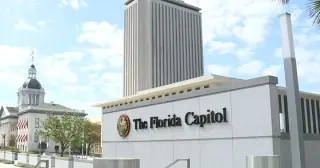
After a judge found the initial ballot summary for the Florida property tax amendment misleading, the AG released new language for Constitutional Amendment 3 (HJR 1F). The proposal would raise non-school homestead exemptions to $150,000 in 2027 and $250,000 in 2028 (with inflation later), require a uniform county/municipal exemption process, offer a five-year $50,000 exemption for out-of-state homeowners, cut non-homestead assessment increases from 10% to 5%, and cap ad valorem spending to specified public services unless allowed by law. It differs from Gov. DeSantis’s original plan by not fully phasing out taxes. If approved by at least 60% in the November 3, 2026 election, it would take effect January 1, 2027.
A Florida judge ordered the attorney general to rewrite the ballot language for a property tax amendment. AG James Uthmeier delivered a neutral version that would raise the homestead exemption (to $150,000 in 2027 and up to $250,000 in 2028), index increases to inflation, and clarify a five-year wait for new residents. The rewritten text removes claims of a 'full elimination' of property taxes and states that the Legislature would set procedures for expanding exemptions and allow referendums for districts. The measure still requires 60% voter approval; plaintiffs have 10 days to challenge the rewrite, and a correction note about the cutoff year was added.
An appellate court temporarily lifts the lower court’s restraining order, allowing City Hall to proceed with Mayor Zohran Mamdani’s pied-a-terre tax rollout while the full appeals panel reviews the case, keeping the tax in effect despite ongoing homeowner lawsuits that accuse the rollout of being botched and harassing. The city argues the pause would create headaches for taxpayers and threaten essential revenues, as the legal battle involving homeowners including Randy Mastro continues to unfold.
Staten Island Supreme Court Justice Wayne Ozzi, who issued a temporary restraining order blocking parts of Mayor Zohran Mamdani’s pied-à-terre tax rollout, appears on the Department of Finance’s contested supplemental property roll as the owner of a home in Annadale. His inclusion isn’t mentioned in his ruling. The lawsuit challenges the rollout’s broad publication and mailed notices, not the underlying law; the city plans to appeal, which some say triggered an automatic stay of the TRO. Legal experts say disclosure may be prudent but does not necessarily require recusal.
Rep. Byron Donalds has emerged as the leading booster of Florida’s Amendment 3, spending millions on ads and framing property tax relief as essential to affordability, while Gov. DeSantis remains largely on the sidelines. Donalds has pledged to craft a funding formula to shield smaller counties if the measure passes, and to pursue alternative relief if it fails, all amid lawsuits and opposition about the proposal’s broader impact on local governments and services.
A Tallahassee judge ordered Florida to rewrite the ballot language for the proposed property tax reduction constitutional amendment, ruling the current wording unfair and misleading; the revised language must be ready for the November ballot, with the attorney general’s office given 10 days to revise and potential appeals possible, amid ongoing debate over how much revenue local governments would lose and how the ballot will be interpreted by voters.
Florida voters will decide Amendment 3, which would raise the homestead exemption to $150,000 in 2027 and $250,000 in 2028, reducing homeowners’ property taxes but lowering the cap on assessments for non-homestead and rental properties to 5% annually. While some homeowners would pay less, landlords, businesses and renters could face higher costs or fees to make up lost revenue, potentially squeezing essential services and prompting local governments to explore tax or fee increases or state aid. The outcome hinges on the trade‑off between lower homeownership costs and funding for schools, infrastructure, and public safety; passage requires 60% yes votes.
New York City’s pied-à-terre tax rollout is drawing serious confusion after the Department of Finance posted a list of more than 900,000 properties that “may” be subject to the levy, prompting homeowners — including some whose residences are their primary address — to question whether they’ll be taxed. City officials say only about 17,000 addresses with second homes over $5 million were targeted for notices, while the broader list is intended for outreach under state law. Attorneys say the process is scattershot and confusing, with residents reporting trouble uploading documents and looming appeal deadlines (e.g., Aug. 21). Mamdani defends the approach as ensuring the tax applies only to eligible properties, while officials say the law requires inclusion in public tax rolls.
Hillsborough County will assess how Gov. DeSantis’ property-tax plan—boosting the homestead exemption and capping commercial property at 5%—could affect finances as the county negotiates a Rays stadium deal; Commissioner Chris Boles pushes for questions on long-term exposure, reserves, taxpayer protections, and the enforceability of private commitments, noting a $103 million rainy-day fund within a proposed $976 million public contribution and the potential need to revisit financial templates.
Florida lawmakers balk at DeSantis’ proposal to backfill local revenue losses from his property tax plan by removing a dedicated trust fund; House Speaker Sam Garrison and Senate leaders say backfill should come from regular budgeting rather than an entitlement, casting doubt on the governor’s promise of statewide relief for cash-strapped counties as the budget process moves forward.
Florida lawmakers approved Gov. Ron DeSantis’s sweeping property tax relief plan, sending a constitutional amendment to the November ballot that would expand the homestead exemption to $150,000 in 2027 and $250,000 in 2028 (not applying to school taxes), cap annual non-homestead assessment increases at 5%, and limit revenues for core local services. The measure could reduce non-school government revenue by about $4.6 billion initially (rising to $8.4 billion annually), prompting concerns about local service cuts, while supporters say it provides homeowner relief and lets voters decide with a 60% threshold.
Florida lawmakers approved a constitutional amendment during a special session to raise the owner-occupied homestead exemption to $250,000 on non-school levies, sending the measure to the November 2026 ballot. The proposal would increase the exemption over two years and requires at least 60% voter approval to pass. While supporters frame it as major property tax relief, local officials warn it could reduce revenue needed for essential services; residents can use a new Save Our Homes website to estimate potential savings.
Gov. Ron DeSantis’s plan to expand the homestead exemption to $250,000 would slash local property tax revenue for central Florida bedroom communities (Belle Isle, Winter Garden, Oakland, Ocoee) by about 25%–33%, threatening budgets for core services and even bond ratings; Orlando would face a smaller hit. The phased plan starts with a $150,000 exemption in 2027, rising to $250,000 in 2028, and would limit how cities can spend tax dollars, targeting primary residences while vacation and commercial properties remain taxed. Cities are exploring options like shared services to cope with the anticipated losses.