
Florida's Amendment 3 Passes, Triggering Major Property Tax Shifts and Budget Uncertainty
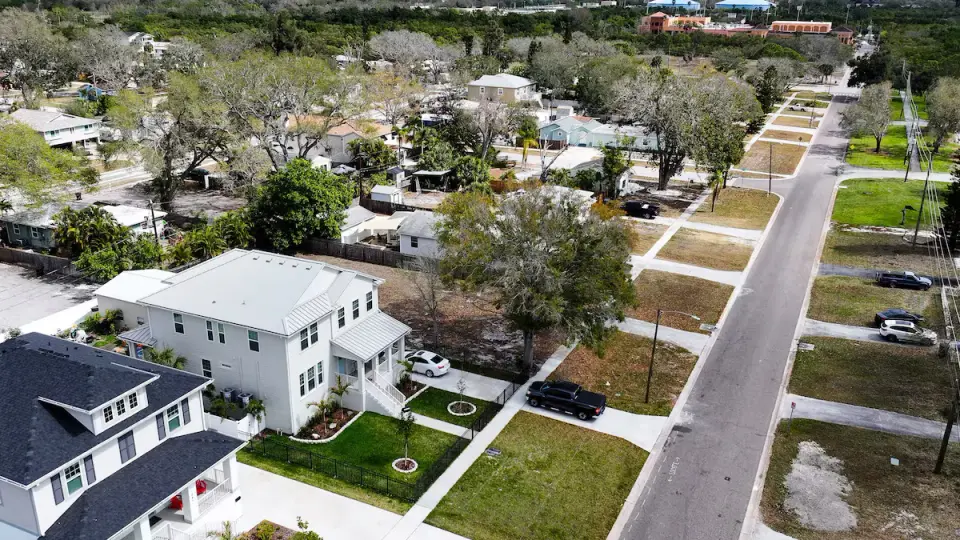
Florida voters approved Amendment 3 by 62%, significantly increasing the homestead exemption to $250,000 by 2028. While this promises major tax cuts for homeowners, it threatens to reduce local government revenue by $12 billion annually by 2031, potentially impacting emergency services, healthcare, and transit.
Key points
- The amendment raises the homestead exemption from $50,000 to $150,000 in 2027 and $250,000 in 2028, with future increases tied to inflation.
- Non-homestead properties, such as rentals and businesses, face a tightened annual assessment cap, dropping from 10% to 5%.
- New residents moving to Florida after 2026 must wait five years to access the higher exemption, a provision facing likely legal challenges.
- Local governments could lose up to $12 billion in revenue by 2031, with specific impacts on counties like Hillsborough and Pinellas.
- Gov. Ron DeSantis plans to call a special legislative session before year-end to implement the amendment and potentially create a 'taxpayer's bill of rights.'
Background
This follows earlier legislative debates in Florida regarding property tax structures and the 'Save Our Homes' initiative. The current vote concludes a contentious campaign involving diverse stakeholders, from realtors to public safety officials, over the fiscal impact of the proposed changes.
How outlets are covering it
Supporters, including Gov. DeSantis and Florida Realtors, framed the amendment as essential cost-of-living relief, with DeSantis launching a calculator to show potential savings. Opponents, including sheriffs and environmental groups, warned of severe budget cuts to emergency services and healthcare. While DeSantis dismissed claims that the measure would shift taxes to renters, a study cited by housing groups suggested rent could rise by $400 to $1,000 annually. Local officials, such as Jacksonville Sheriff T.K. Waters, expressed confidence in maintaining services, while others like Nassau County Sheriff Bill Leeper highlighted uncertainty regarding budget impacts.
Why it matters
The passage of Amendment 3 fundamentally alters Florida's economic structure, promising significant savings for homeowners but creating substantial fiscal uncertainty for local governments. The potential loss of billions in revenue could force cuts to critical services, including emergency response, healthcare, and public transit, while raising questions about the long-term sustainability of local budgets and the fairness of the new tax structure for renters and new residents.
What to watch
Gov. DeSantis is expected to call a special legislative session before the end of 2026 to pass implementation laws. Key issues to be addressed include the creation of a 'taxpayer's bill of rights' to prevent local tax workarounds, a schedule for further exemption increases, and potential funding mechanisms to reimburse rural counties for lost revenue. Legal challenges to the five-year wait provision for new residents are also anticipated.
- Florida passed Amendment 3. What now? Tampa Bay Times
- Check calculator to see your home's property tax savings after Amendment 3 passes NBC 6 South Florida
- RESULTS: Florida's Amendments 1, 2, 3 WESH
- Live Results | Which Florida constitutional amendments passed? firstcoastnews.com
- Northeast Florida sheriffs react after Amendment 3 passes News4JAX
Want the full story? Read the original reporting
Read on Tampa Bay Times