
Ford’s Giant Sign and Indigenous Protests Counter Trump’s Lake America Rename
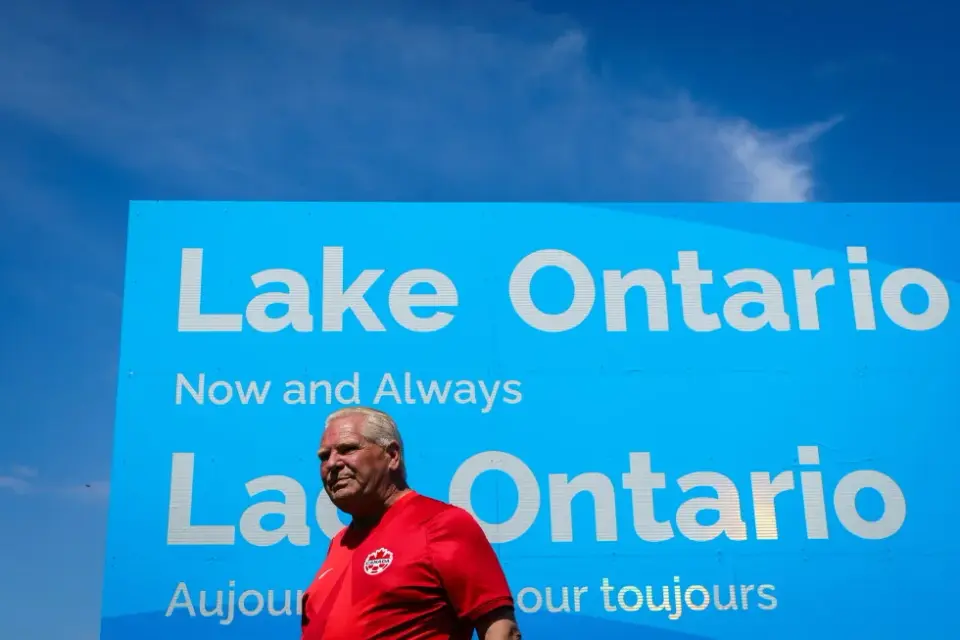
Ontario Premier Doug Ford erected a large sign to assert Lake Ontario’s name after President Trump signed an executive order renaming it 'Lake America.' The move, part of a broader pattern of U.S. branding, drew sharp criticism from Indigenous leaders and Canadian officials, though local sailors and businesses largely dismissed the change as symbolic.
Key points
- Trump signed an executive order on August 27, 2025, renaming Lake Ontario to 'Lake America' amid trade tensions with Canada.
- Ontario Premier Doug Ford responded by installing a giant sign to reaffirm the lake’s original name.
- Wendat Nation Grand Chief Pierre Picard condemned the move as an attempt to erase Indigenous history, noting the name derives from the Huron word 'oniatarí:io.'
- Canadian Prime Minister Mark Carney rejected the change, stating the name predates both Canadian Confederation and the U.S. Declaration of Independence.
- Local sailors and tourism operators on both sides of the lake largely ignored the name change, continuing to use 'Lake Ontario' in daily operations.
Background
This dispute follows earlier U.S. renaming actions, such as the Gulf of Mexico to 'Gulf of America' and the reversal of Denali’s name. It occurs within a broader context of escalating U.S.-Canada trade tensions and Trump’s efforts to assert American dominance through geographic branding.
How outlets are covering it
AP News highlights the direct political clash between Ford’s physical sign and Trump’s executive order, as well as the Indigenous backlash. USA Today frames the lake rename as part of a wider pattern of Trump imposing his name and image on government institutions, from the Kennedy Center to currency. The Washington Post focuses on the practical indifference of local stakeholders, noting that sailors and businesses continue to use the traditional name, viewing the change as a political joke rather than a serious administrative shift.
Why it matters
The incident underscores the limits of unilateral U.S. authority over shared geographic features and highlights the cultural and political significance of Indigenous place names. It also illustrates how symbolic gestures can intensify diplomatic tensions without altering on-the-ground realities.
What to watch
The name change is unlikely to be adopted in common usage, but it may continue to fuel diplomatic friction. Legal challenges or further political responses from Canadian officials are possible, though no immediate legislative action is expected.
- Ontario premier answers Trump’s ‘Lake America’ with giant ‘Lake Ontario’ sign AP News
- ‘Lake America’? These Upstate New Yorkers Aren’t Letting Go of ‘Ontario.’ The New York Times
- Trump's naming game expands to buildings, ships, money and more USA Today
- What Lake Ontario’s sailors think of Trump’s name change to Lake America The Washington Post
- The Trouble With Trump’s Attempt to Rename Lake Ontario Time Magazine
Want the full story? Read the original reporting
Read on AP News