
Georgia Election Board Official Requests Federal Ban on State Voting Machines
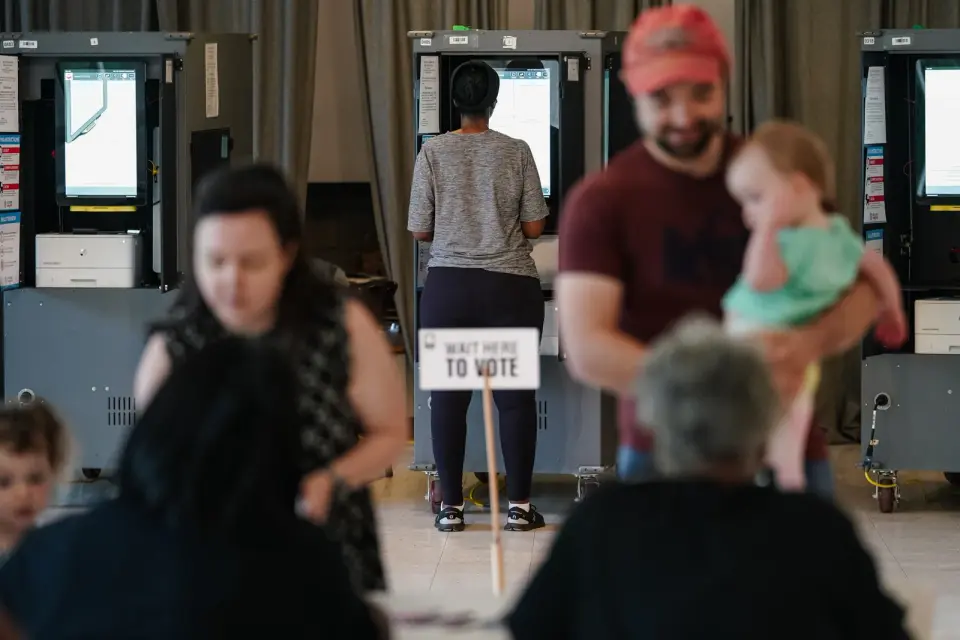
James Mills, the executive director of Georgia’s Republican-controlled State Election Board, sent a letter to the Department of Justice asking federal authorities to declare the state’s certified voting machines illegal. Mills requested a six-month deadline for the state to phase out these devices, which use QR codes for tabulation. This move contradicts the position of several board members, including the chairman, who oppose federal interference in state election administration. The request occurs despite the fact that the U.S. Election Assistance Commission has certified these machines and Georgia law requires their use. The action is part of a broader pattern of attempts by the Trump administration to exert control over state election procedures, particularly regarding voting equipment used since the 2020 presidential election.
Key points
- SEB Executive Director James Mills asked the DOJ to prohibit the use of voting machines previously certified by the federal government.
- Mills requested a binding six-month deadline for Georgia to phase out the targeted electronic ballot-marking devices.
- The letter was sent to Assistant Attorney General Harmeet Dhillon, with copies to Attorney General Todd Blanche and Homeland Security Secretary Markwayne Mullin.
- Three SEB members passed a resolution directing Mills to seek federal assistance for a last-minute software update.
- Board Chairman John Fervier strongly opposed the resolution, citing fundamental disagreements with federal involvement in state elections.
- The targeted machines use QR codes for tabulation, a method that experts have recommended states move away from, though they remain certified by the EAC.
Background
This request follows a series of federal and state actions aimed at tightening election procedures. In September 2026, the DOJ charged 16 individuals in multi-state cases related to noncitizen voting, reflecting a broader enforcement effort. Additionally, Republican attorneys general have been backing Trump’s mail-voting restrictions in court, despite implementation hurdles for local officials. In North Carolina, a court recently greenlit a GOP-led shift in control of the state elections board, highlighting ongoing battles over election administration. Earlier in 2026, researchers identified a software flaw in Georgia’s touchscreen voting system that could potentially link voters to their ballots, sparking debates over privacy and security fixes. These events underscore the contentious environment surrounding voting technology and federal-state relations in election administration.
Why it matters
The request by Georgia’s election board to have the DOJ declare its voting machines illegal represents a significant escalation in the conflict between state and federal authorities over election administration. If successful, it could disrupt the upcoming midterm elections and set a precedent for federal intervention in state voting systems. The move also highlights the deep divisions within the State Election Board itself, with some members opposing federal involvement on constitutional grounds. This situation raises critical questions about the independence of state election administration and the potential for political interference in the certification and use of voting equipment, which is essential for maintaining public trust in the electoral process.
What to watch
The Department of Justice must now decide whether to act on the request from Georgia’s State Election Board. If the DOJ agrees to declare the voting machines illegal, it could trigger a legal battle over the constitutionality of such a federal action. Georgia election officials may face pressure to implement the requested changes within the six-month deadline, potentially disrupting the ongoing overhaul of the state’s election system. The State Election Board may also face internal conflicts as members with opposing views on federal involvement continue to debate the issue. Public and legal scrutiny will likely intensify as the implications of this request become clearer, with potential impacts on the integrity and accessibility of the upcoming midterm elections.
Want the full story? Read the original reporting
Read on democracydocket.com