
Senate Democrats Block Ratepayer Protection Act, Depriving Husted of Midterm Win
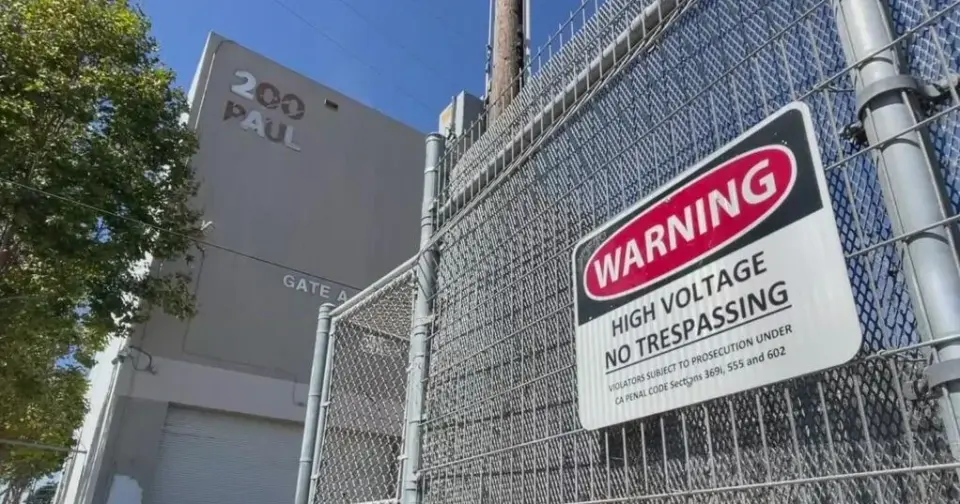
Senate Democrats blocked the Ratepayer Protection Act, a bill passed by the House to address data center energy costs, arguing it lacked mandatory enforcement. The 57-43 vote failed to overcome a filibuster, denying vulnerable Ohio Senator Jon Husted a key campaign victory ahead of the midterms. While Republicans framed the bill as a bipartisan solution to rising utility bills, Democrats called it a 'toothless' messaging stunt. The defeat leaves the issue unresolved as the Senate recesses, with both parties scrambling to address voter concerns over affordability and AI infrastructure.
Key points
- Senate Democrats voted 57-43 to block the Ratepayer Protection Act, falling short of the 60 votes needed to overcome a filibuster.
- The bill, which passed the House 417-3, would only require state regulators to consider standards holding data center companies responsible for grid costs, rather than mandating them.
- Ohio Senator Jon Husted, who championed the bill, faces a competitive race against Sherrod Brown where data center costs have become a central issue.
- Senate Minority Leader Chuck Schumer criticized the measure as 'optional' and 'toothless,' arguing it provides no real relief for ratepayers.
- The vote occurred just before the Senate recessed for the midterms, leaving the issue unresolved and depriving Republicans of a legislative win on affordability.
Background
The House passed the Ratepayer Protection Act in September with overwhelming bipartisan support, following growing public concern over data center impacts on energy costs and water supplies. Prior polling indicated broad public worry about these issues, prompting Republicans to push the bill as a response to voter anxiety. The Senate vote came after earlier attempts to pass the measure under unanimous consent failed, with Democrats proposing alternative legislation with stricter enforcement mechanisms.
How outlets are covering it
Republicans, including Sen. Jon Husted, argued the bill was the only viable solution to hold data center companies accountable for energy costs and counter Democratic inaction. They emphasized its bipartisan House support and framed Democratic opposition as political maneuvering. Democrats, led by Chuck Schumer and Sen. Martin Heinrich, criticized the bill as 'toothless' and 'optional,' arguing it lacked mandatory enforcement and failed to address real consumer concerns. They proposed alternative legislation with stricter requirements. Some Republicans, like Sen. Josh Hawley, acknowledged the party could do more on affordability, while others, like Sen. John Kennedy, noted broader economic anxieties. The debate highlighted a split between those viewing the bill as a pragmatic step and those demanding more robust action.
Why it matters
The blockage of the Ratepayer Protection Act underscores the growing political salience of data centers and energy costs in the 2026 midterms. It highlights the tension between bipartisan support in the House and partisan divisions in the Senate, with Democrats prioritizing mandatory enforcement over voluntary standards. The outcome affects vulnerable races, particularly Husted's in Ohio, where data center backlash has become a central issue. It also reflects broader voter concerns about affordability and AI infrastructure, with both parties scrambling to address these issues before the election. The unresolved status of the issue may influence post-midterm legislative priorities and public sentiment.
What to watch
The Senate is expected to recess for the midterms, leaving the Ratepayer Protection Act unresolved. Democrats have indicated they will pursue more robust legislation with mandatory enforcement mechanisms, while Republicans may revisit the issue after the election. The outcome of Husted's race against Sherrod Brown will be a key indicator of voter sentiment on data centers and energy costs. Post-midterm, the Senate may revisit the bill or alternative proposals, with the focus on addressing consumer concerns and data center impacts on energy and water resources.
- Senate Democrats block House-passed data center bill aimed at addressing energy costs CBS News
- Bipartisan Senate duo drops new data center bills politico.com
- Utah senator proposes bills on data center transparency KSL.com
- Republicans’ last-ditch effort to lower costs ahead of midterms fails in key Senate vote CNN
- Alabama data center law takes effect Oct. 1: Here’s what it means for your power bill WBRC
Want the full story? Read the original reporting
Read on CBS News