
GOP 2028 Contenders Fracture Over Blame for Historic Midterm Defeat
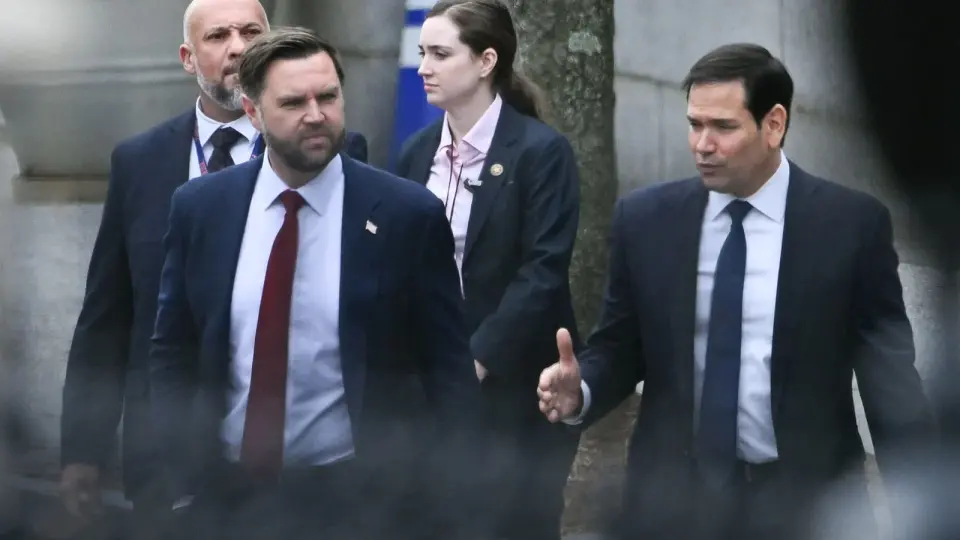
Republican leaders are sharply divided on the causes of their 2026 midterm losses, with JD Vance blaming the Iran war, Marco Rubio defending it, and Ron DeSantis criticizing the party’s cultural focus. This infighting complicates the path to the 2028 nomination as Trump remains influential but ambiguous about supporting any successor.
Key points
- JD Vance publicly blamed the Iran conflict for the Republican defeat, arguing voters abandoned the party over foreign policy, though polls show cost of living was a larger factor.
- Marco Rubio defended the Iran strikes, stating that doing the right thing does not require popularity, while distancing himself from the broader electoral loss.
- Ron DeSantis criticized the party for fighting 'yesterday’s battles' in culture wars, despite Florida retaining control of its state government.
- Donald Trump replaced Chief of Staff Susie Wiles with Stephen Miller and questioned the legitimacy of the election results, complicating the transition for potential successors.
- Ted Cruz cited tariffs and the Iran war as a 'Watergate-level repudiation,' while other contenders like Brian Kemp and Sarah Huckabee Sanders face similar challenges in balancing loyalty to Trump with voter sentiment.
Background
This infighting follows the November 2026 midterms, where Democrats won control of both the House and Senate. Previous coverage noted Vance’s initial break from Trump on the Iran issue and DeSantis’s denial of early 2028 campaign reports. The current situation reflects a broader realignment as Republicans attempt to recover from a historic loss while managing internal divisions over foreign policy and economic priorities.
How outlets are covering it
CNBC emphasizes the strategic dilemma facing Vance, noting that his criticism of the Iran war may alienate the MAGA base despite his status as Trump’s heir. CNN provides a broader view of the 2028 landscape, highlighting how Democratic governors like Josh Shapiro and Gavin Newsom are positioning themselves as strong contenders, while noting that Republican figures like Rubio and DeSantis are attempting to mitigate damage from the midterm results. Both sources agree that Trump’s continued influence and ambiguous stance on supporting successors remain a central obstacle for any potential candidate.
Why it matters
The division among top Republican contenders signals a potential fragmentation of the MAGA coalition, which could impact the party’s ability to unify behind a 2028 nominee. The conflicting narratives on the causes of the midterm loss—foreign policy versus economic or cultural issues—may shape the party’s platform and strategy for the next election cycle. Additionally, Trump’s continued involvement in party affairs, including personnel changes and election skepticism, could further complicate the transition of power within the Republican Party.
What to watch
Republicans will likely continue to debate the causes of their midterm losses and the best path forward for 2028. The House may vote on articles of impeachment against Defense Secretary Pete Hegseth, potentially impacting his political future. Potential candidates will need to navigate the tension between distancing themselves from Trump’s unpopular policies and maintaining loyalty to the MAGA base. The outcome of these internal debates will influence the party’s ability to compete in the 2028 presidential election.
- Trump's 2028 successors are already fighting over who to blame for GOP midterm wipeout CNBC
- Vance’s 2028 stock drops: Ranking top 5 presidential GOP contenders after midterms The Hill
- The midterms blew open the 2028 map. Republicans are panicking. Politico
- The 2028 Election Map Just Broke Wide Open WSJ
- Who’s most likely to run in 2028 and how they’re faring after the midterms CNN
Want the full story? Read the original reporting
Read on CNBC