
GOP fractures as ex-adviser accuses White House of blocking health reforms for donor cash
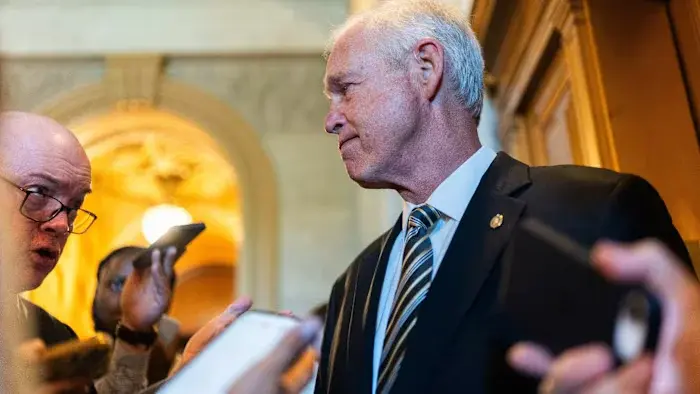
Republican infighting has intensified following the party's midterm defeat, with Senator Ron Johnson accusing the Trump administration of corruption. These remarks follow explosive claims by former health adviser Calley Means, who alleged that top White House officials prioritized corporate donations over public health initiatives. Means specifically accused Chief of Staff Susie Wiles of blocking policies on sugar and e-cigarettes to secure funding from the tobacco and sugar industries. While the White House and Wiles deny these claims, labeling them defamatory, the controversy has accelerated Wiles' departure, with Stephen Miller set to replace her. The dispute highlights a deepening rift within the GOP between its base's anti-corruption sentiment and the administration's perceived reliance on special interests.
Key points
- Calley Means, a former health department adviser, resigned last month and publicly accused White House officials of prioritizing corporate donations over health reforms.
- Means alleged that Susie Wiles and James Blair blocked measures to reduce sugar in food and demanded approval for flavored e-cigarettes against health advice.
- Senator Ron Johnson cited Means' claims to argue that corruption exists within the Trump administration, stating that the 'swamp won' against Republican supporters.
- Trump announced that Stephen Miller will replace Wiles as chief of staff, with Wiles moving to the Trump Political Operation.
- Wiles and Blair denied the allegations, with Wiles' spokesperson calling them 'outrageous' and Blair threatening legal action against Means.
- Means alleged that companies hiring Wiles' daughter as a lobbyist received higher priority for administrative attention.
Background
This escalation follows a period of growing internal anxiety within the Republican Party ahead of the 2026 midterms. Earlier reporting indicated that rural GOP voters were increasingly blaming billionaires and corruption for economic woes, contradicting the party's traditional narrative. Leadership had privately feared losing the House majority, with strategists noting a disconnect between the party's reliance on billionaire donors and the sentiment of its base. The recent midterm results, described as a 'wipeout,' have validated these fears and triggered a broader internal reckoning.
How outlets are covering it
The Financial Times and The Washington Post emphasize the political fallout, focusing on Senator Johnson's public condemnation of the administration and the broader party infighting following the electoral defeat. The New York Times provides the most detailed account of Means' specific allegations, including claims that Wiles pressured Health Secretary Robert F. Kennedy Jr. to downplay vaccine safety and that the administration supported Bayer in a glyphosate lawsuit. Axios highlights the resignation context and the family enrichment angle, noting Means' claim that Wiles' daughter's lobbying clients received preferential treatment. While all sources report the denial from Wiles and the White House, the NYT and Axios focus more on the policy specifics (e-cigarettes, glyphosate, ultra-processed food), whereas the FT and WaPo focus on the political consequences and leadership changes.
Why it matters
The dispute signals a potential realignment within the Republican Party as it attempts to recover from a historic midterm loss. If the allegations of corporate influence are perceived as credible by the base, it could further erode trust in the administration's leadership. The replacement of Wiles with Stephen Miller, a hard-right adviser, may deepen the divide between the party's populist base and its establishment wing, influencing the 2028 presidential cycle and the direction of health policy.
What to watch
Senator Johnson is gathering signatures to delay the Republican Senate leadership vote scheduled for next week to allow for a postmortem of the midterm defeat. Wiles is set to leave her post on Monday, with Stephen Miller taking over as chief of staff. Wiles' spokesperson indicated she has consulted with a lawyer regarding the allegations, while Means has called on Wiles and Blair to stop contacting him. Democrats, including Senator Ron Wyden, have announced investigations into the administration's handling of tobacco and kratom industries.
- Republican infighting mounts over corruption claims after midterms wipeout Financial Times
- Republican Sen. Ron Johnson accuses Trump administration of corruption The Washington Post
- Susie Wiles, Trump’s Chief of Staff, Is Accused of Blocking Health Policies to Attract Donations The New York Times
- Ex-RFK Jr. adviser alleges Trump admin corruption prompted resignation Axios
- Top RFK Jr. ally bashes Trump admin after quitting Politico
Want the full story? Read the original reporting
Read on Financial Times