
GOP rejects course correction after 2026 midterm rout, doubling down on Trump loyalists
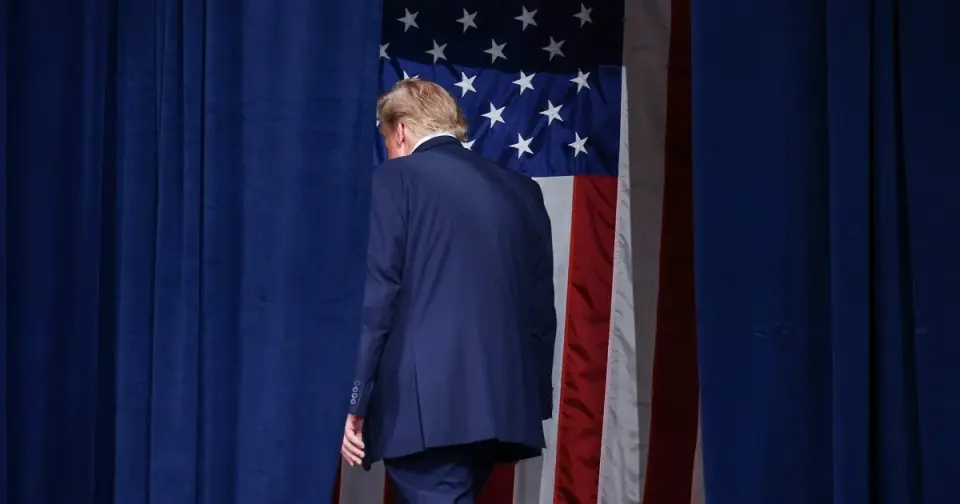
Following a historic 2026 midterm defeat that cost Republicans both chambers of Congress, the party has rejected calls for policy moderation. Instead of addressing voter anger over the Iran war and rising costs, GOP leaders elected ultra-conservative Rep. Jim Jordan as minority leader and promoted Stephen Miller to White House chief of staff. While exit polls show 74% of voters cited the Iran conflict as a major factor, many surviving Republicans blame congressional priorities or external factors rather than the president, signaling a strategy of intensified confrontation rather than reconciliation.
Key points
- Republicans lost over 40 House seats and at least seven Senate seats, including in deep-red states like Texas and North Carolina.
- The House GOP elected Rep. Jim Jordan as minority leader, a move CNN describes as a signal of defiance rather than contrition.
- President Trump promoted Stephen Miller to White House chief of staff, intensifying the party's nationalist stance despite voter backlash.
- NBC News exit polls indicate 74% of voters ranked the Iran war as a crucial or major factor in their voting decisions.
- 64% of voters reported that Trump’s tariffs negatively impacted their local economies, driving up costs for gas and food.
- The House GOP blocked an impeachment attempt against Defense Secretary Pete Hegseth, a key architect of the Iran war, in a morale-boosting vote for the party.
Background
This follows a series of internal Republican anxieties regarding Trump’s influence ahead of the midterms. Earlier reports indicated that while some lawmakers feared a loss of presidential sway, others anticipated a 'lame-duck' scenario. The party’s recent decision to obstruct judicial nominations and protect controversial figures like Hegseth highlights a fragmented internal dynamic, with some members asserting institutional prerogatives while others remain loyal to the president’s agenda.
How outlets are covering it
Outlets diverge on the cause of the defeat and the party’s response. NBC News and The Hill emphasize a 'shell-shocked' mood, with lawmakers like Sen. Jim Justice and Rep. Gabe Evans hesitating to blame Trump directly, instead citing collective failure or data analysis. CNN frames the party’s response as a logical paradox, arguing that elevating figures like Jordan and Miller defies the need for moderation after a 'red wall' collapse. Al Jazeera offers a structural analysis, suggesting the party is split between 'MAGA loyalists' and 'America First' factions, with the 2028 election hinging on whether Democrats focus on retaliation or economic recovery. While The Hill notes some Republicans blaming the Senate’s procedural gridlock, CNN and Al Jazeera argue the core issue is the party’s refusal to pivot away from Trump’s most controversial policies.
Why it matters
The Republican Party’s decision to intensify its ideological stance rather than moderate its platform suggests a volatile 2027 and a challenging 2028 presidential cycle. By prioritizing loyalty to Trump over voter demands for economic relief and peace, the GOP risks alienating the broad coalition that elected the president in 2024. This strategy may tighten Trump’s control over a smaller, more conservative caucus but could also accelerate the party’s decline in swing and suburban districts, making a return to power in 2028 highly uncertain.
What to watch
The House GOP will operate as a minority for the next two years, with Jim Jordan leading opposition to Democratic investigations. The White House, under new chief of staff Stephen Miller, is expected to pursue aggressive 'America First' policies despite the loss of legislative majorities. Republicans will face internal debates over 2028 candidates, with figures like JD Vance, Marco Rubio, and Ron DeSantis positioning themselves as potential leaders. The party must now decide whether to rebuild its coalition around Trump or pivot toward a post-Trump conservative identity, a choice that will be influenced by the Democratic administration’s handling of the economy and immigration.
- Republicans tiptoe around Trump as they process defeat in the 2026 elections NBC News
- Republicans take an approach that defies logic after brutal midterm losses CNN
- Returning to Washington, Republicans vent anger, frustrations after midterm drubbing The Hill
- Can the Republican Party survive Trump? Al Jazeera
- Opinion | Republicans Have Two Paths Out of This. They’d Better Choose Wisely. The New York Times
Want the full story? Read the original reporting
Read on NBC News