
GOP Senate leaders clash over Thune’s reelection amid post-midterm reckoning
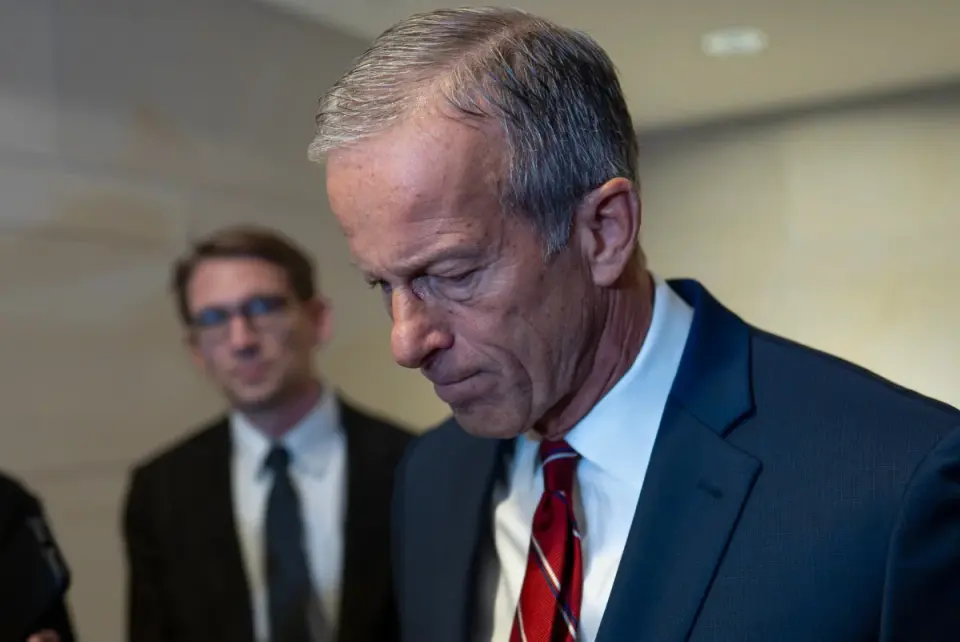
Senate Republicans are divided on whether to reelect John Thune as leader or delay the vote to strategize after losing the Senate majority. Thune faces criticism for failing to address the party’s electoral defeat, while supporters argue he is the only viable candidate. The party must now decide how to navigate a lame-duck session and a future minority status.
Key points
- Thune is running unopposed for Senate GOP leader but faces a push from senators like Ron Johnson and Rick Scott to delay the vote for a strategic debrief.
- Critics argue the party needs a new direction after losing at least seven Senate seats, while supporters note Thune’s popularity and lack of alternatives.
- Scott demands a concrete plan for passing legislation like the SAVE America Act before supporting any leader, while Hawley criticizes the lack of communication from Thune.
- The leadership vote is tied to the timing of the lame-duck session, with Republicans seeking to confirm nominees and pass key bills before Democrats take control in January.
- Thune’s approach of balancing Trump’s agenda with Senate independence is being tested as the party prepares for a minority role.
Background
Thune replaced Mitch McConnell in early 2025 and has navigated tensions with President Trump while maintaining Senate rules. The party’s recent losses in the midterms, attributed to issues like the Iran war and gas prices, have intensified internal debates over leadership and strategy. Previous attempts to pass bipartisan measures, such as daylight saving time legislation, highlight the challenges of gridlock in a divided Senate.
How outlets are covering it
AP News emphasizes Thune’s popularity and the lack of a clear alternative, while Fox News highlights Rick Scott’s demand for a specific legislative plan. CBS News focuses on the logistical arguments for proceeding with the vote, noting that new members are already in Washington for orientation. The sources differ on whether the delay is a necessary reckoning or an impractical disruption, with some senators calling for a 'soul-searching' and others urging a quick vote to maintain momentum.
Why it matters
The outcome of the leadership vote will shape the GOP’s strategy in the lame-duck session and its approach to the 120th Congress. A delayed vote could allow for a more thorough reassessment of the party’s direction, while a quick vote may signal a desire to maintain stability. The decision also reflects broader tensions within the party over its relationship with Trump and its ability to govern as a minority.
What to watch
Senate Republicans are expected to vote on whether to delay the leadership elections, with Thune likely to be reelected if the vote proceeds. The party will also focus on confirming Trump’s nominees and passing key legislation before Democrats take control in January. The outcome of the Alaska and Mississippi Senate races could further impact the party’s numbers and strategy.
- John Thune seeks another term as Senate Republican leader as the party reckons with election losses AP News
- Live updates: Senate GOP votes on leadership; Pete Hegseth rips Thomas Massie impeachment threat The Hill
- GOP senator withholds support for Thune as leadership showdown looms Fox News
- RNC members call for delay in congressional leadership elections after midterm losses Politico
- Congress live updates as GOP elects leaders, Hegseth faces impeachment vote CBS News
Want the full story? Read the original reporting
Read on AP News