
House passes Graham Russia sanctions bill, granting Trump sweeping tariff powers
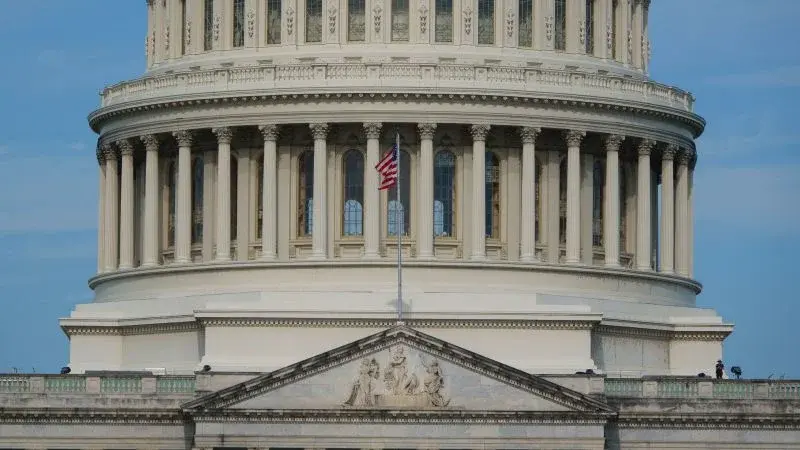
The US House passed the Lindsey Graham Sanctioning Russia Act on September 16, 2026, by a vote of 262-159. The bill, which the Senate approved in August, aims to impose mandatory sanctions on Russian officials and entities. However, it also grants the president authority to impose tariffs of up to 100% on countries purchasing Russian energy, including China and India. While supporters argue it strengthens leverage against Russia, critics warn it expands presidential tariff power and could raise prices for Americans.
Key points
- The House passed the Lindsey Graham Sanctioning Russia Act on September 16, 2026, with a 262-159 vote, sending it to President Trump for signature.
- The legislation mandates sanctions on Russian government officials, oligarchs, and state-owned enterprises, converting many existing executive orders into law.
- The bill authorizes the president to impose tariffs of up to 100% on nations buying Russian oil and gas, specifically targeting top buyers like China and India.
- Critics, including House Democratic Leader Hakeem Jeffries, argue the bill expands presidential tariff authority without sufficient constraints, potentially harming the US economy.
- Supporters, including Rep. Michael McCaul, contend the measure is necessary to pressure Russia into negotiations and end the war in Ukraine.
Background
The bill was first introduced in April 2025 by Sen. Lindsey Graham, who championed it until his death in September 2026. Prior to the House vote, the Senate passed the measure in August with a 86-11 vote. Earlier coverage highlighted concerns that the bill would grant presidents broad tariff powers, with some proposals suggesting tariffs up to 500% on Russia, though the final version caps tariffs at 100% for energy partners. The legislation emerged amid ongoing debates over the scope of presidential trade authority following Supreme Court rulings in February 2026.
How outlets are covering it
CNN reports that nearly a dozen Republicans privately lobbied leadership to remove tariff provisions, fearing price hikes before the midterms, but Speaker Mike Johnson rejected these changes. The Atlantic emphasizes that the bill allows the president to waive sanctions by citing national interest, effectively giving Trump a mechanism to bypass the measures. CNBC highlights the bipartisan support for the bill, noting that while Democrats criticized the tariff expansion, Republicans like Rep. Michael McCaul argued it was essential to cripple Russia's war machine. All sources agree that the bill grants significant new tariff authority, but they differ on whether this power is a necessary tool for foreign policy or an overreach that could harm the domestic economy.
Why it matters
The passage of this bill marks a significant shift in US trade and foreign policy, potentially allowing the president to impose steep tariffs on major allies and partners like China and India. This could disrupt global supply chains, increase consumer prices, and alter the balance of power in US-Russia relations. Additionally, the expansion of presidential tariff authority raises constitutional questions and may set a precedent for future administrations to use trade tools more aggressively, impacting both domestic economic stability and international diplomatic relationships.
What to watch
President Trump is expected to sign the bill into law shortly after its passage. The administration will then determine the specific tariff levels for countries purchasing Russian energy, with US Trade Representative Jamieson Greer playing a key role. Congress may face further scrutiny over the bill's implementation, particularly if tariffs lead to economic disruptions or if the president exercises the waiver provision. The outcome could influence future trade negotiations and the broader geopolitical landscape, especially regarding US support for Ukraine and relations with Russia's energy partners.
- Congress on track to approve major Russia sanctions bill — that could hand new tariff powers to Trump CNN
- Congress Might Be About to Hand Trump Sweeping Tariff Powers The Atlantic
- India could face up to 100% US tariffs over Russian oil dw.com
- House set to pass sweeping Russia sanctions bill honoring Lindsey Graham CNBC
- WATCH LIVE: House considers bills on Russia sanctions, AI data center costs PBS
Want the full story? Read the original reporting
Read on CNN