
CBP Begins Wall Construction in Texas Big Bend Amid Ongoing Legal and Political Resistance
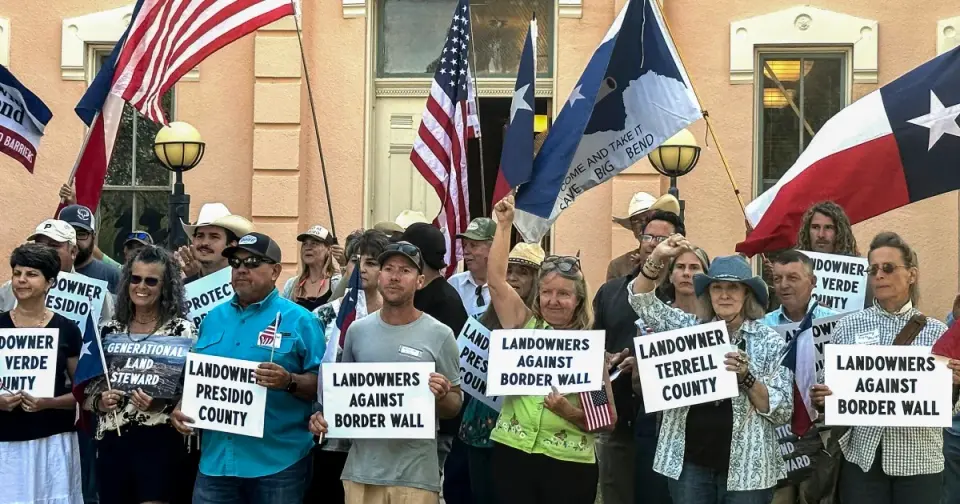
The Trump administration has commenced construction of a 30-foot steel border wall in Hudspeth County, Texas, marking the first major physical installation in the contested Big Bend region. This move follows a temporary pause in nearby Big Bend National Park and occurs despite significant opposition from local landowners, environmental groups, and a recent federal lawsuit. Customs and Border Protection (CBP) reports that it is now building barriers at a rate of 12 miles per week, double the previous pace, as part of a broader $46 billion border security initiative. While the administration pushes forward with construction in areas where it has secured land rights, opponents argue the region has low migration traffic and that the project threatens natural and cultural heritage.
Key points
- CBP began installing 30-foot steel wall panels in a 47-mile stretch of Hudspeth County on September 15, 2026.
- The construction is part of a larger $46 billion plan to line the U.S.-Mexico border with walls, barriers, roads, and technology.
- CBP has doubled its construction pace to an average of 12 miles of barriers per week across the 2,000-mile border.
- The project faces opposition from landowners, environmental groups, and a coalition that filed a federal lawsuit in September 2026.
- Construction in Big Bend National Park was temporarily suspended in August 2026 to address public backlash, but work continues in surrounding private areas.
Background
This development follows months of intense political and legal battles in Texas. In August 2026, CBP paused construction in Big Bend National Park after images of bulldozers sparked national outrage, though that pause was set to expire on September 30. Simultaneously, a coalition of approximately 230 landowners filed a federal lawsuit on September 14, arguing that the region was wrongly designated a 'high illegal entry' zone to justify eminent domain powers. Texas Republicans have been divided on the issue, with some supporting the pause and others defending enforcement, while Democrats have criticized the administration's approach. The current construction in Hudspeth County represents a shift from the paused national park project to areas where the government has secured land rights or is pursuing eminent domain disputes.
How outlets are covering it
NBC News and The Associated Press emphasize the administrative milestone, highlighting that CBP has doubled its construction pace to 12 miles per week and that the first panels were erected on September 15. They note the broader context of the $46 billion border plan and the ongoing opposition from local groups. The Guardian focuses more heavily on the legal and political resistance, detailing how CBP is proceeding despite an 'uneven patchwork of permissions' and the fact that the Big Bend region accounts for less than 2% of illegal crossing apprehensions. The Guardian also highlights the use of 'signing bonuses' to secure land rights and the potential damage to rock art and wildlife areas. Both sources agree that the construction is controversial and faces significant opposition, but NBC News frames it as a key milestone in the administration's border security goals, while The Guardian frames it as a contentious push against local and environmental interests.
Why it matters
The start of construction in the Big Bend region signals that the Trump administration is prioritizing physical border infrastructure despite legal challenges and local opposition. It demonstrates the administration's commitment to its campaign promise to complete the border wall, even in areas with low migration traffic. The move also highlights the ongoing tension between federal authority and local land rights, as well as the environmental and cultural impacts of border security projects. The doubled construction pace suggests a broader acceleration of border security efforts across the U.S.-Mexico border, which could have significant implications for immigration policy, environmental conservation, and federal-state relations.
What to watch
The No Big Bend Wall Coalition and other opponents plan to continue fighting the border infrastructure projects, including through legal means and public advocacy. CBP is expected to continue its construction efforts in areas where it has secured land rights, while facing ongoing disputes with landowners who have refused to grant access. The temporary pause in Big Bend National Park is set to expire on September 30, and it is unclear whether construction will resume there. The federal lawsuit filed by landowners will likely continue to shape the legal landscape for border wall construction in the region. Additionally, the administration may face further political backlash as the construction progresses, particularly if it impacts protected areas or cultural sites.
- Trump administration starts building border wall in Texas’ Big Bend region NBC News
- Trump administration pushes on with construction of controversial Big Bend border wall The Guardian
- Map Shows Border Wall Progress As New Work Begins Newsweek
- Inside West Texans’ Relentless Fight Against Big Bend Border Wall Contractors texasmonthly.com
- Immigration Border Wall Bluefield Daily Telegraph
Want the full story? Read the original reporting
Read on NBC News