
Harmeet Dhillon Resigns as DOJ Civil Rights Chief After Midterm Losses
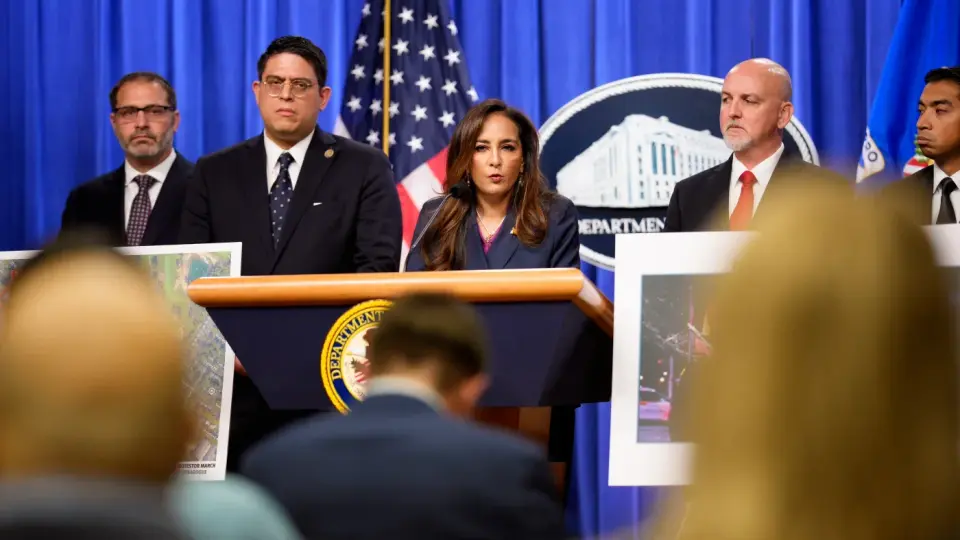
Harmeet Dhillon resigned as the head of the Justice Department’s Civil Rights Division on November 5, 2026, shortly after Democrats regained control of Congress. Attorney General Todd Blanche accepted her resignation, praising her 18-month tenure, while critics described her leadership as a destructive overhaul that abandoned traditional civil rights enforcement in favor of conservative priorities.
Key points
- Dhillon’s resignation was announced by Attorney General Todd Blanche on X, marking the first senior DOJ departure since Democrats won the midterms.
- During her tenure, over 75% of the division’s staff left, a figure Dhillon called the 'biggest single personnel self-purge in DOJ history.'
- The division shifted focus to enforcing executive orders on 'woke' ideology, suing universities for alleged discrimination, and seeking voter records from states.
- Federal courts dismissed 27 of 31 lawsuits filed by the division to obtain unredacted voter rolls from states and D.C.
- Former division attorney Stacey Young called Dhillon 'the most destructive, lawless, and hateful head of the Civil Rights Division in DOJ history.'
- The division declined to open criminal investigations into the fatal shootings of Renee Good and Alex Pretti by immigration agents in Minneapolis.
Background
The Civil Rights Division was established approximately 70 years ago to protect constitutional rights across housing, employment, and policing. Dhillon, a conservative attorney and Trump loyalist, took over in 2025 and radically reshaped the unit’s mission. Her departure follows a period of intense internal and external criticism, with the division’s workforce shrinking significantly as she replaced experienced attorneys with ideological allies.
How outlets are covering it
Attorney General Todd Blanche praised Dhillon for defending civil liberties 'without fear or favor,' while former division attorney Stacey Young and NAACP general counsel Kristen Clarke condemned her for 'decimating' the division and weaponizing it for partisan goals. CBS News highlighted her dismissal of decades-old consent decrees with public schools and police departments, whereas NBC News noted her office’s attempt to indict Cassidy Hutchinson and its prosecution of Don Lemon. All sources agree on the massive staff exodus and the shift away from traditional civil rights enforcement, but they differ in emphasis: NPR and LA Times focus on the ideological purge, while CBS and NBC detail specific legal failures and controversial cases.
Why it matters
Dhillon’s resignation signals a potential shift in the Justice Department’s enforcement priorities as Democrats regain legislative power. Her tenure marked a dramatic departure from the division’s historical mission, raising questions about the future of federal civil rights protections and the role of the DOJ in enforcing anti-discrimination laws.
What to watch
The incoming Democratic Congress is expected to scrutinize the Civil Rights Division’s actions and potentially demand changes in leadership. The new Senate may use its advice and consent powers to ensure the next Assistant Attorney General adheres to the division’s congressional mandate to enforce civil rights fairly.
- Head of Justice Department office on Civil Rights resigns NPR
- Harmeet Dhillon, controversial head of Justice Department's Civil Rights Division, resigns CBS News
- Harmeet Dhillon exits after radical overhaul of Justice Department’s Civil Rights Division Los Angeles Times
- Head of DOJ Civil Rights Division resigns after GOP midterms loss NBC News
- Harmeet Dhillon, chief of DOJ civil rights division, expected to resign MS NOW
Want the full story? Read the original reporting
Read on NPR