
Hegseth Orders Military Stand-Down for Voting Amid Controversial Election Security Directives
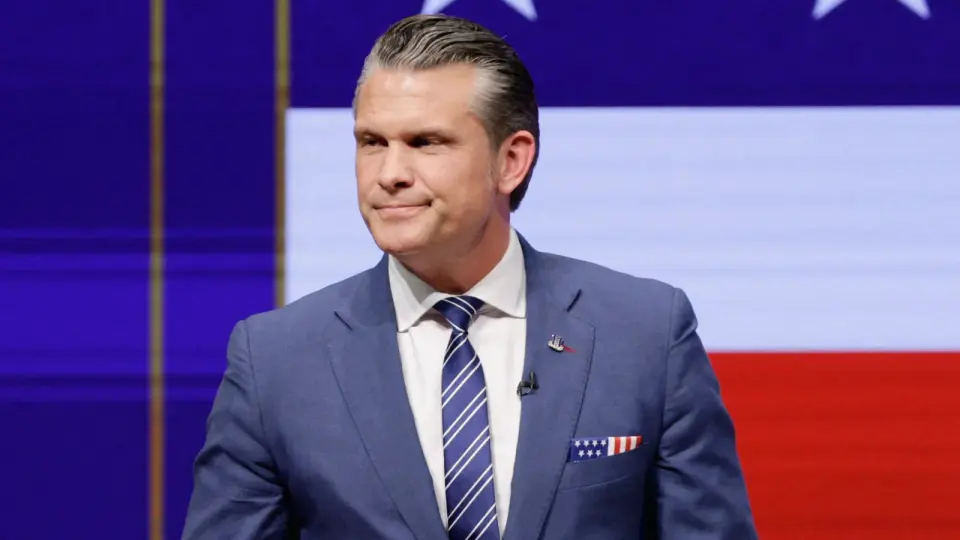
Defense Secretary Pete Hegseth has ordered a one-day military stand-down to facilitate voting in the upcoming midterms, a move he framed as ensuring service members have the time to cast ballots. This directive coincides with new orders to use cyber capabilities against foreign election interference, though critics note the administration has simultaneously removed key voting assistance tools for military personnel.
Key points
- Hegseth issued a memo on Oct. 1 authorizing a one-day stand-down for all military commands in election years, starting in 2026, to allow service members time to vote.
- The directive is part of a broader effort to combat foreign interference, with Hegseth ordering the use of advanced AI and cyber capabilities to identify and disrupt foreign actors targeting U.S. elections.
- Critics point out that while Hegseth urges voting, the administration has eliminated the Federal Voting Assistance Program’s email-to-fax service and altered federal voting forms, potentially complicating the process for military voters.
- Hegseth emphasized that voting assistance activities must remain strictly nonpartisan, despite recent campaign appearances and political tensions involving the Department of Defense.
Background
This development follows a series of legal battles over mail-in voting rules, where courts blocked Trump-era attempts to tighten postal voting requirements ahead of the midterms. Hegseth has also been reshaping military leadership, blocking promotions for several Army officers, and has faced impeachment threats from Rep. Thomas Massie over the Iran war.
How outlets are covering it
USA Today highlights the stand-down as a rare occurrence aimed at easing the complexity of military voting, while noting Hegseth’s recent campaign activities. Democracy Docket contrasts this with the administration’s removal of the FVAP fax service and changes to federal forms, arguing these actions hinder the very voters Hegseth seeks to encourage. Axios focuses on the cyber and intelligence directives to counter foreign interference, noting the use of advanced AI and the historical context of election security efforts. The U.S. Department of War confirms the directive to defend elections from foreign threats, emphasizing the use of cyber capabilities and intelligence gathering.
Why it matters
The stand-down and cyber directives signal a significant shift in how the military and federal government approach election security and voter access. The tension between encouraging voting and removing assistance tools raises questions about the administration’s true priorities regarding military voter participation. Additionally, the use of advanced cyber capabilities to counter foreign interference reflects a growing emphasis on protecting democratic processes in an era of heightened geopolitical tensions.
What to watch
The stand-down is expected to take place within the next two weeks, providing service members with a dedicated day to vote. The cyber and intelligence directives will likely see increased activity from U.S. Cyber Command and the Defense Intelligence Enterprise in monitoring and countering foreign interference. Legal challenges to the changes in federal voting forms and the elimination of the FVAP fax service may continue, potentially impacting military voters’ ability to cast ballots.
- Hegseth says troops will get a day off to vote in the midterms usatoday.com
- Hegseth Gives U.S. Troops a Day Off to Vote WSJ
- Hegseth urges military to vote as Trump administration makes it harder for them to cast ballots Democracy Docket
- Exclusive: Hegseth directs Defense Dept. to fight foreigners who "meddle" in U.S. elections Axios
- Secretary of War Pete Hegseth Signs Directive to Defend 2026 Elections From Foreign Threat U.S. Department of War (.gov)
Want the full story? Read the original reporting
Read on usatoday.com