
Hegseth Signs Classified Memo Restricting Informal U.S.-Canadian Military Socializing
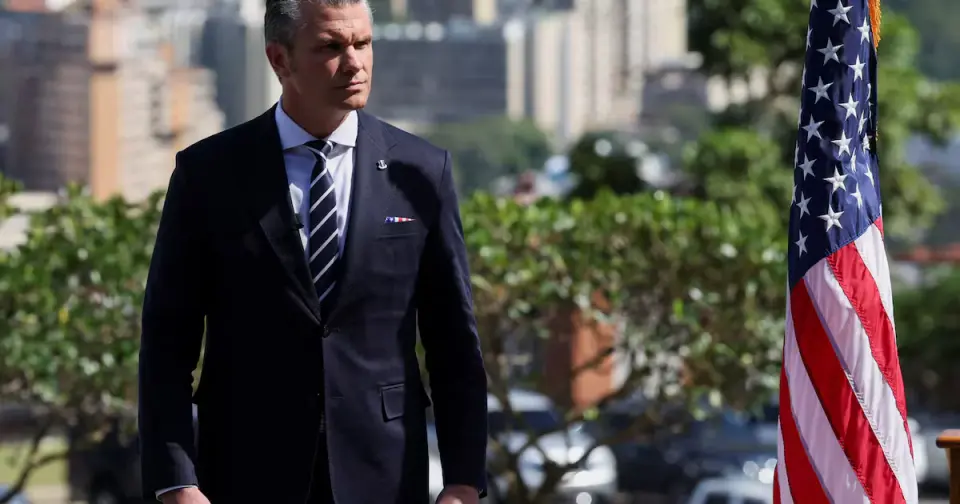
Defense Secretary Pete Hegseth has signed a classified memorandum requiring U.S. military personnel to obtain permission before engaging in informal social activities with Canadian counterparts. The directive, which was drafted months ago but only recently authorized, aims to limit non-operational interactions while preserving formal defense cooperation. Canadian officials, including Defense Minister David McGuinty, stated they were unaware of the memo and observed no change in operational cooperation. The move coincides with ongoing trade tensions and U.S. pressure on Canada to increase defense spending.
Key points
- Hegseth signed a classified memo restricting informal social interactions between U.S. and Canadian military personnel, requiring prior permission for such activities.
- The memo does not affect formal defense operations, NORAD, or NATO cooperation, according to Pentagon spokesperson Sean Parnell.
- Canadian Defense Minister David McGuinty stated he had not seen the memo and detected no change in military cooperation, calling it 'business as usual.'
- Republican Senator Mike Rounds confirmed the memo's existence, noting it targets informal activities to pressure Canada into increasing defense spending.
- Democratic Senators Tim Kaine and Chris Coons criticized the memo as unnecessary and damaging to U.S.-Canada relations.
Background
This development follows a series of tensions between the U.S. and Canada, including trade disputes and U.S. pressure on Canada to increase defense spending. Hegseth has previously faced criticism for disparaging remarks about Canada and for restricting military engagements with 'woke' institutions. The memo is part of a broader pattern of U.S. actions aimed at reshaping defense relationships with allies.
How outlets are covering it
The Daily Beast and Yahoo emphasize the memo as a 'slap in the face' and a sign of deteriorating relations, while The New York Times and CBC focus on the lack of operational impact and Canadian officials' unawareness. Pentagon spokesperson Sean Parnell downplayed the memo, stating it does not affect formal defense cooperation, while Democratic senators criticized it as unnecessary and damaging. Canadian officials, including McGuinty, expressed confusion and noted no change in operational cooperation.
Why it matters
The memo signals a shift in U.S. defense policy toward prioritizing tangible defense objectives over informal alliances, potentially straining relations with a key ally. It reflects broader tensions in U.S.-Canada relations, including trade disputes and defense spending pressures, and could impact future cooperation in NATO and NORAD.
What to watch
Canadian officials are seeking clarification from U.S. counterparts, and the memo's full impact remains unclear. The U.S. and Canada are nearing a trade deal, which may influence future defense cooperation. Hegseth's administration is likely to continue pressing Canada for increased defense spending and alignment with U.S. objectives.
- Pentagon Pete Makes Bizarre Move Against America’s Closest Ally The Daily Beast
- In secret memo, Hegseth restricts U.S.-Canada defense relationship The Washington Post
- Hegseth now requires Americans soldiers to get permission before socializing with their Canadian counterparts Yahoo
- Pentagon Issued Memo Limiting ‘Social Activities’ With Canadian Military The New York Times
- Hegseth reportedly moves to restrict defence ties with Canada, but Ottawa sees no change CBC
Want the full story? Read the original reporting
Read on The Daily Beast