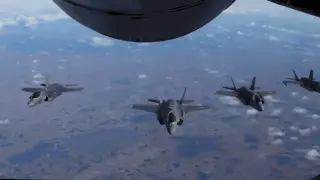
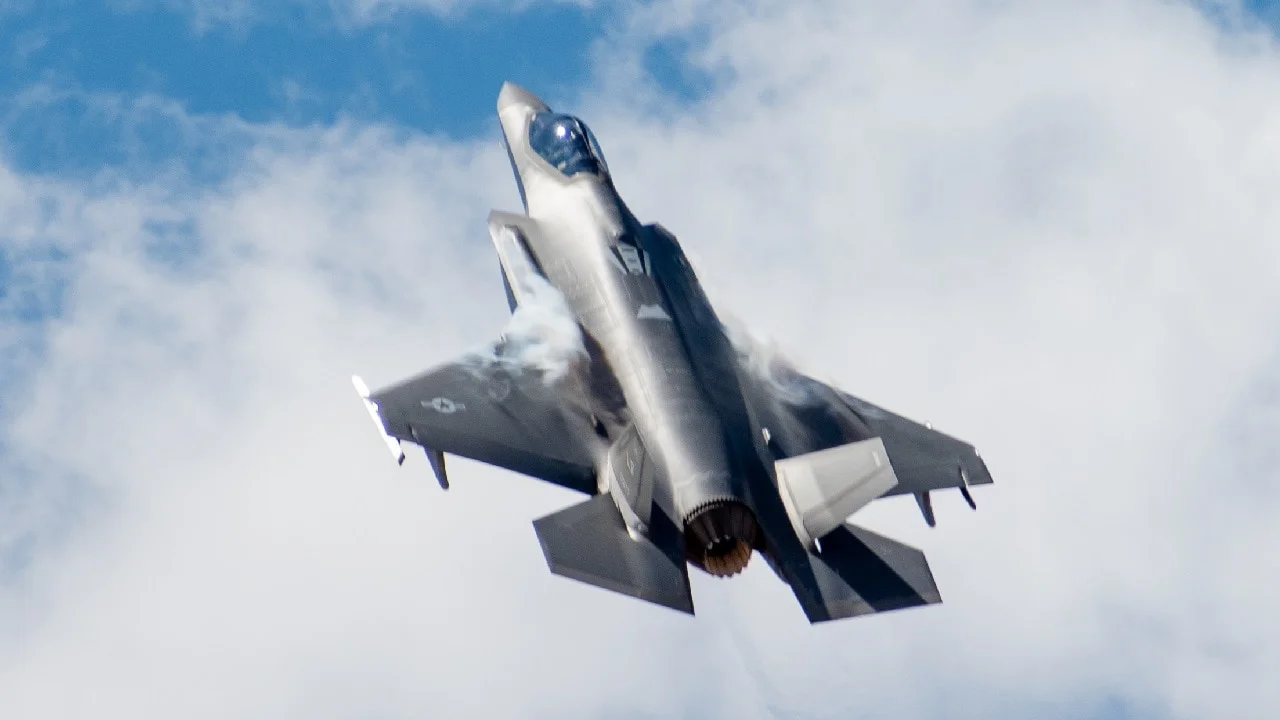
US and Canadian forces conducted joint exercises in Alaska and Greenland to test rapid deployment of F-35s, HIMARS, and naval assets in extreme Arctic conditions. Commanders cite melting ice and increased Russian and Chinese military activity as primary drivers for these drills, aiming to ensure deterrence and rapid response capabilities across the northern approaches to North America.
On September 27, 2026, NORAD fighter jets intercepted 10 civilian aircraft that violated a temporary flight restriction over Chicago during President Trump’s visit to Medinah Country Club for the Presidents Cup. At least 15 general aviation planes entered the restricted airspace, with two intercepts involving flares to alert pilots. All situations were resolved safely, though O’Hare Airport saw nearly 1,800 flight delays.
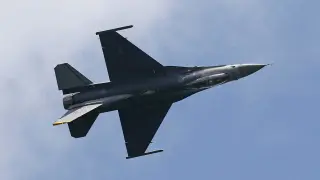
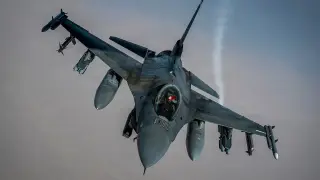
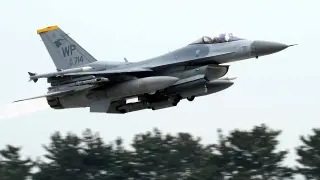
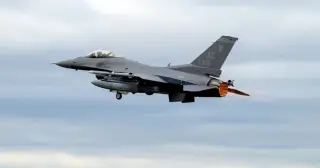
A NORAD F-16 intercepted a small aircraft that violated restricted airspace over Camp David while President Trump was there; the jet deployed flares to gain the pilot’s attention and escorted the aircraft out. Camp David operates a permanent no-fly zone with additional restrictions when the president is present, and pilots are urged to check NOTAMs and advisories before flights.
NORAD dispatched F-16s to intercept two general-aviation aircraft that violated temporary flight restrictions over Bedminster, New Jersey, escorting them safely out of the restricted airspace as President Trump was expected at his Bedminster golf club.
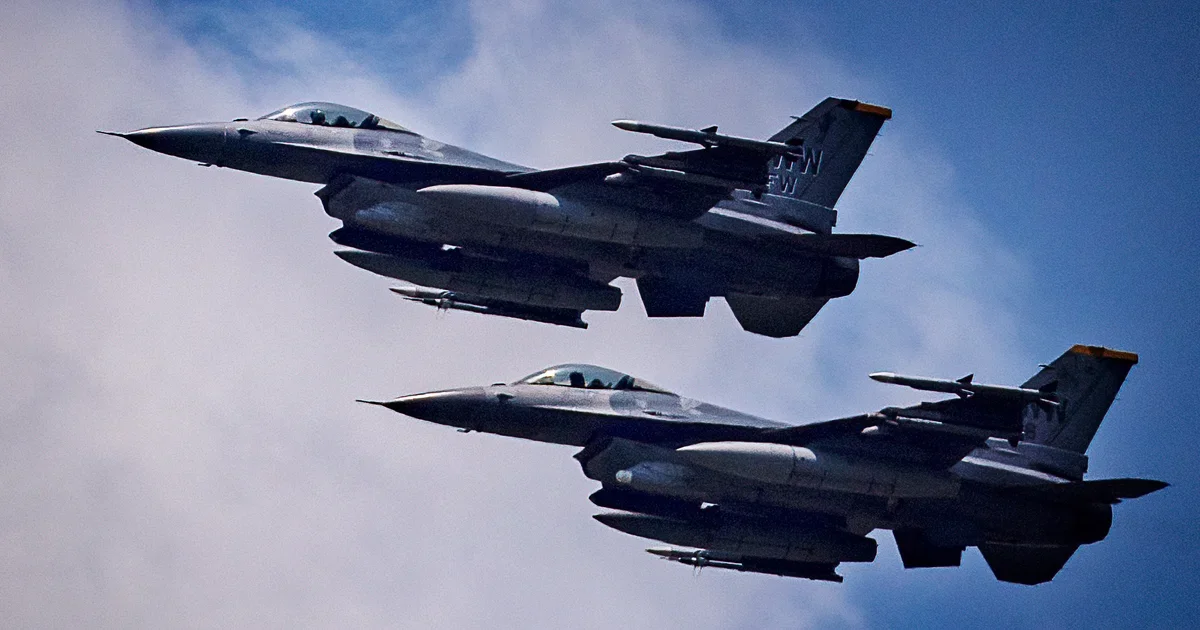
NORAD dispatched F-16 fighters to intercept more than 10 general aviation aircraft that violated temporary flight restrictions over Bedminster and East Rutherford, New Jersey. In two intercepts, NORAD dispensed flares to draw pilots’ attention before safely escorting all aircraft out of the area. Pilots were urged to check NOTAMs/FAA temporary flight restrictions and contact 121.5 or 243.0 for further instructions if intercepted.
F-16 fighters intercepted a civilian aircraft that entered Washington, D.C.'s DC SFRA and escorted it safely out of the restricted airspace; NORAD said the plane remained clear of restricted airspace, reflecting the layered defense used to protect the capital. Interceptions of civilian planes in restricted airspace are not uncommon, with past incidents near Mar-a-Lago and Bedminster.
The US and Denmark are in high-level talks to open up to three new US military bases in southern Greenland—potentially on US sovereign territory—to monitor Russian and Chinese maritime activity in the GIUK Gap. Led by Michael Needham, the discussions involve Danish and Greenlandic officials and have progressed in recent months, though no agreement has been reached. The plan would likely leverage existing Greenland infrastructure (with possible sites like Narsarsuaq) under the long-standing US–Denmark security framework, and Denmark has historically supported expanded US presence while emphasizing sovereignty and approval by Danish authorities.
NORAD scrambled F-16s to intercept a civilian aircraft that breached the Temporary Flight Restriction around President Trump's Mar-a-Lago resort in Palm Beach; flares were deployed during the intercept, the plane was escorted out safely, and Air Force One remained secure as Mar-a-Lago airspace remains under tight restrictions.
NORAD F-16s intercepted a general aviation aircraft over Palm Beach, Florida, after it violated a Temporary Flight Restriction on March 29, 2026; the aircraft was escorted out and NORAD dispensed flares for visibility. Pilots should contact 121.5 or 243.0 and turn around until receiving further instructions, and always verify FAA NOTAMs, especially in sensitive regions.
NORAD scrambled F-16s to intercept a civilian aircraft that entered the Mar-a-Lago temporary flight restriction over Palm Beach. The incident, which involved flares to gain the pilot's attention, sparked online drone rumors that officials later said were mistaken. The plane was escorted safely, Air Force One remained secure at PBI, and FAA delays were attributed to volume rather than the security event.
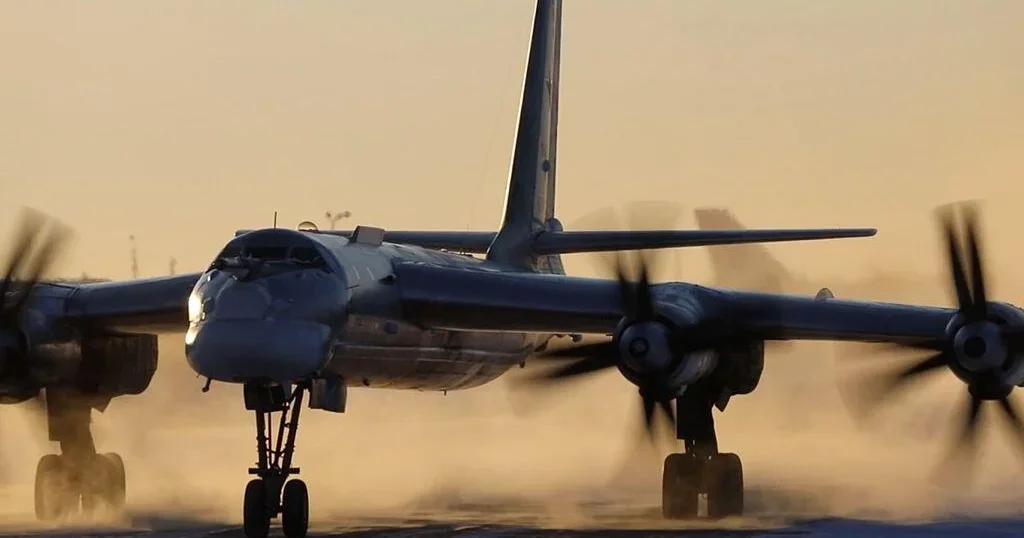
NORAD detected and tracked two Tu-95s, two Su-35s, and one A-50 operating in the Alaskan ADIZ on Feb. 19, 2026. It dispatched two F-16s, two F-35s, one E-3, and four KC-135s to intercept, positively identify, and escort them until they departed; the aircraft remained in international airspace and did not enter U.S. or Canadian sovereign airspace. NORAD said the activity is routine and not a threat.
U.S. NORAD scrambled F-16s, F-35s and KC-135s to escort two Tu-95 bombers, two Su-35 fighters and an A-50 spy plane off the Alaska ADIZ; the aircraft did not enter U.S. or Canadian airspace, and NORAD described the incident as a routine, non-threatening rotation as they departed.
Canada unveils a Defense Industrial Strategy called 'Buy Canadian' to cut its dependency on the United States by boosting domestic production, creating about 125,000 jobs, and expanding sovereign capabilities. It sets out doubling defense expenditures to C$80 billion over five years, with C$45 billion annually for domestic resilience as part of NATO commitments, and aims to hit 2% of GDP on defense this year and 5% by 2035. The plan seeks to raise Canadian-owned share of defense acquisitions to 70%, boost exports by 50%, R&D by 85%, and industry revenues by over C$5.1 billion annually, while pursuing deeper partnerships with Europe and Indo-Pacific allies and protecting Arctic sovereignty. It also pledges a list of defense champions by summer and emphasizes 10 sovereign capabilities (AI, quantum, missiles, drones, etc.). The release was delayed after a mass shooting in British Columbia.
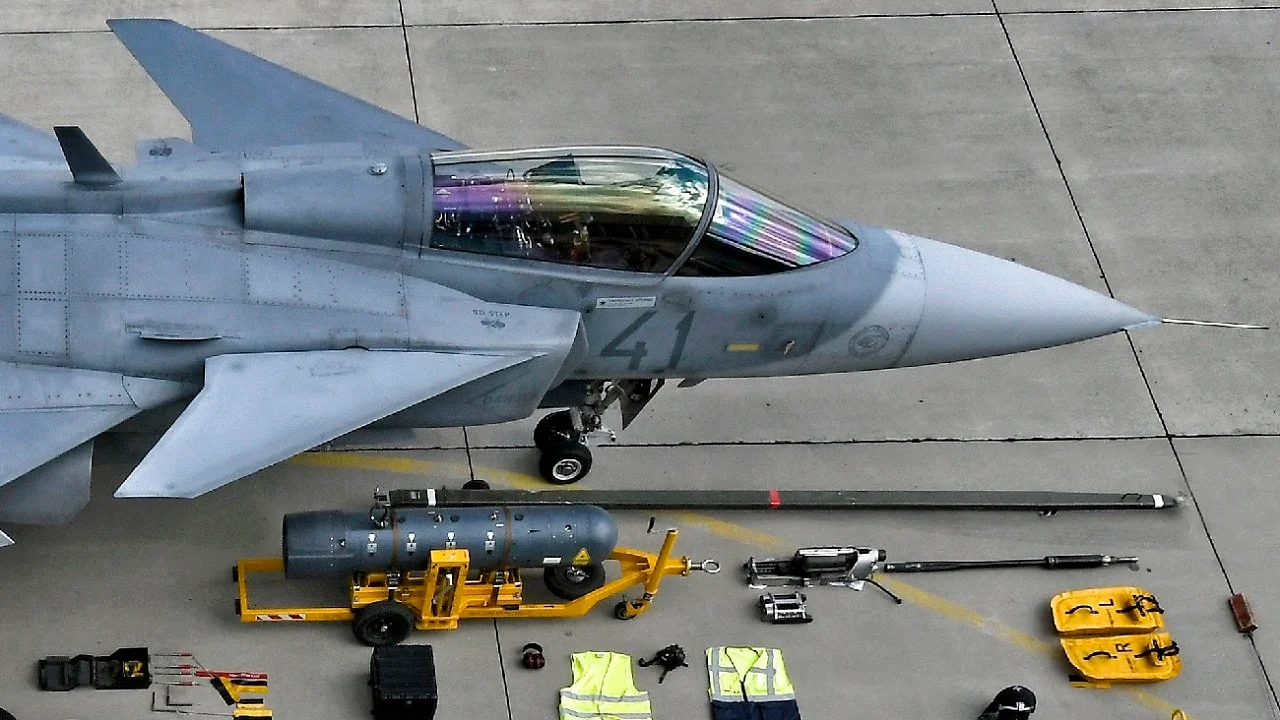
Canada’s plan to replace its CF-18s with an F-35 fleet is showing signs of collapse as Ottawa weighs Saab’s Gripen E/F offer, which includes thousands of local jobs and a domestic production hub, in a potential mixed‑fleet approach. The decision faces scrutiny over technology transfer, timelines, and NORAD implications, with a 2024 auditor review and ongoing U.S. readiness/diplomatic concerns adding to the uncertainty.
Canada is reviewing its plan to buy 88 F-35 fighters, with Saab’s Gripen pitched as a cheaper, sovereignty-focused alternative that offers modern sensors, electronic warfare, and potential in‑country sustainment and jobs. Proponents say the Gripen’s cost and capability meet Canada’s core missions—interception, patrol, maritime defense, and Arctic air sovereignty—without needing fifth‑generation stealth, making a mixed Gripen/F‑35 fleet feasible, while critics warn that reduced U.S. interoperability could complicate NORAD and future defense needs. Ottawa will weigh cost, sovereignty, and alliance considerations in deciding whether to pursue Gripen or the full F‑35 program.