
Hegseth's Iran War and Culture Wars Spark Bipartisan Outrage as Army Leadership Collapses
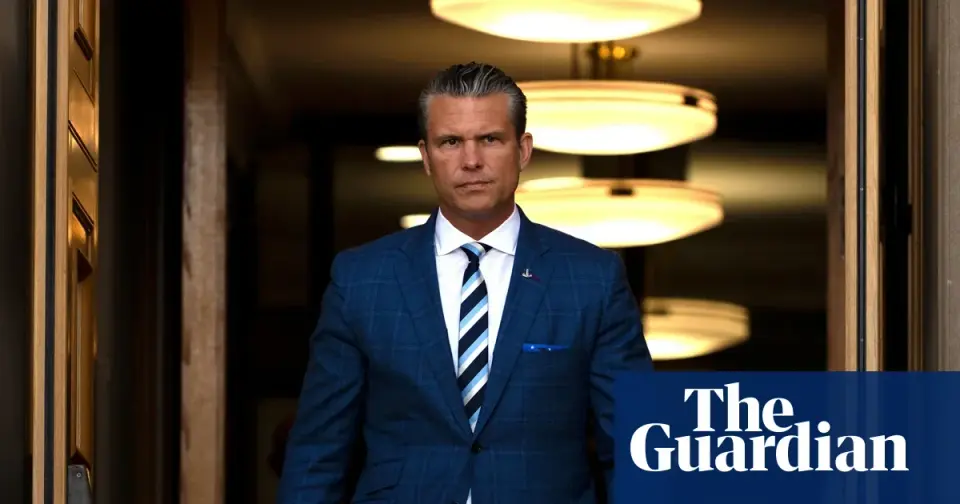
Defense Secretary Pete Hegseth faces intense bipartisan criticism for his handling of the Iran conflict and internal military purges. Following the resignation of Army Secretary Dan Driscoll, critics allege Hegseth prioritizes culture wars over modernization, leaving the military unprepared for global threats.
Key points
- Army Secretary Dan Driscoll resigned after clashing with Hegseth over blocked promotions and purges of senior commanders.
- Trump appointed Adam Telle, a civilian engineering official, as acting Army Secretary to fill the void.
- Critics, including Republican Senator Thom Tillis, accuse Hegseth of 'inept' leadership and creating a leadership vacuum.
- Hegseth extended Middle East deployments into 2027 despite objections from commanders regarding force readiness.
- The Pentagon denies disarray, claiming Hegseth is a 'transformative leader' restoring merit and readiness.
Background
This crisis follows a series of leadership changes under Hegseth, including the firing of Stars and Stripes leadership and the blocking of multiple two-star promotions. Earlier controversies included Hegseth's body-shaming of Canadian cadets, which sparked bipartisan backlash.
How outlets are covering it
The Guardian and CNN emphasize that Hegseth’s focus on 'culture wars' and anti-DEI purges is actively undermining military modernization, particularly in drone warfare. Fox News frames the turnover as a standard presidential power play, noting that presidents from Lincoln to Obama have replaced commanders, while the Pentagon insists the department is unified and morale is at all-time highs. CBS News highlights the appointment of Adam Telle, a political appointee with no military command experience, as a symbol of the administration's shift toward political loyalty over professional expertise.
Why it matters
The instability at the Pentagon threatens US readiness in the Middle East and potentially in the Pacific. Critics warn that diverting resources to the Iran war and purging experienced leaders could leave the US unable to defend allies like South Korea or Taiwan, while the ongoing conflict in Iran remains strategically unclear.
What to watch
The administration must determine if Hegseth will continue his purges or stabilize the command structure. Additionally, the US must clarify its strategic goals in the Iran conflict, which has resumed with strikes causing civilian casualties, including a recent incident in Kuhestak.
- Captain calamity: Pete Hegseth under fire for ‘inept’ leadership of US military The Guardian
- Trump names engineering official Adam Telle as acting Army secretary, after Dan Driscoll resigns amid friction CBS News
- Trump’s Pentagon shake-up revives a presidential power play with a long history Fox News
- Pete Hegseth’s culture war fixation disrupting Army progress, sources say cnn.com
- Dan Driscoll’s Parting Shot The Atlantic
Want the full story? Read the original reporting
Read on The Guardian