
Hegseth’s Classified Memo Curbs U.S.-Canada Defense Ties Amid Annexation Threats
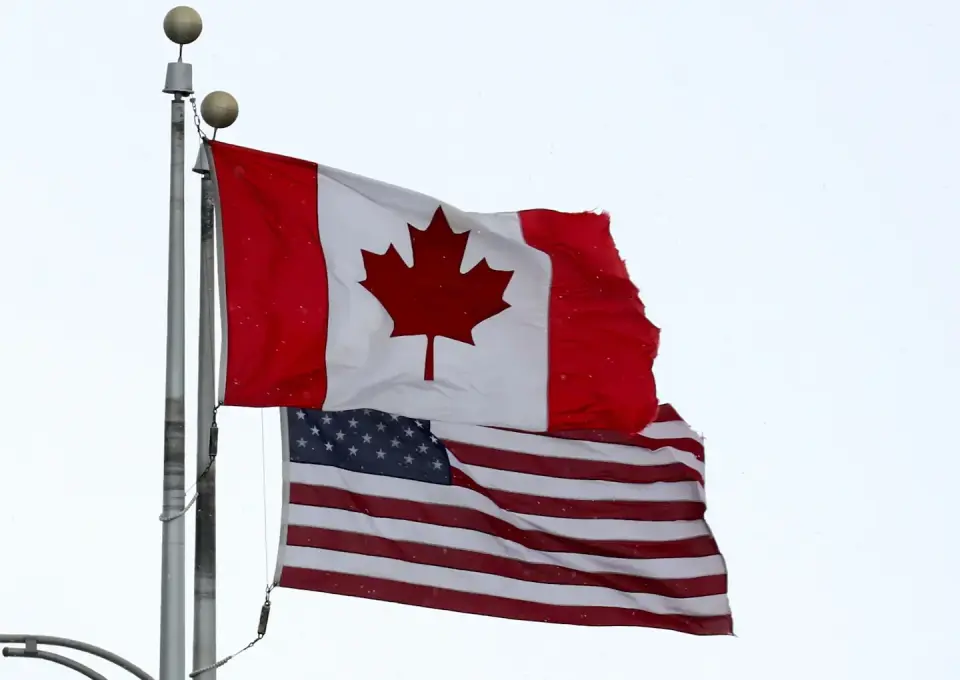
U.S. Defense Secretary Pete Hegseth issued a classified memo last week restricting the bilateral defense partnership between Washington and Ottawa. The directive, described by sources as a 'slap in the face' to Canada, aims to prioritize tangible U.S. defense objectives and support Canada’s NATO obligations. While the memo does not affect intelligence sharing or NATO collaboration, it escalates tensions following President Trump’s repeated rhetoric about annexing Canada as the 51st state. Canadian officials have not yet responded, though Prime Minister Mark Carney previously asserted Canada is 'not for sale.'
Key points
- Hegseth’s memo was circulated last week and restricts certain aspects of the U.S.-Canada defense relationship.
- The Pentagon stated the move ensures engagements advance U.S. defense objectives and support a reinvigorated relationship.
- Intelligence sharing and NATO military collaboration remain unaffected by the new restrictions.
- The directive follows President Trump’s repeated claims that Canada should become the 51st U.S. state.
- Canada has not publicly responded to the memo, though Prime Minister Mark Carney previously rejected annexation rhetoric.
Background
U.S.-Canada military ties have deepened over decades, including joint combat operations in Afghanistan and participation in the Five Eyes intelligence consortium. Recent tensions have escalated due to trade disputes, tariffs on steel and aluminum, and Trump’s annexation rhetoric. In March 2026, Canada increased defense spending to 2% of GDP, meeting NATO targets. In August, Trump renamed Lake Ontario to 'Lake America,' prompting Carney to reaffirm the lake’s historical name. Hegseth’s recent actions follow a pattern of restricting external engagements, similar to his unannounced visit to Israel in October 2026.
How outlets are covering it
The Washington Post reported the memo as a significant escalation in the U.S.-Canada clash, citing officials who called it a 'slap in the face.' Hindustan Times and Firstpost echoed this framing, emphasizing the diplomatic fallout. The Pentagon, via spokesperson Sean Parnell, framed the memo as a strategic move to ensure U.S. defense interests are prioritized while supporting Canada’s NATO commitments. All sources agree the memo does not disrupt intelligence sharing or NATO cooperation, but they differ in tone: The Post and Indian outlets highlight the diplomatic insult, while the Pentagon emphasizes strategic alignment.
Why it matters
The memo signals a shift in U.S. defense policy toward bilateral pragmatism over traditional alliance-building, potentially affecting North American security architecture. It tests the resilience of U.S.-Canada ties amid political rhetoric and trade friction, with implications for NATO cohesion and Five Eyes intelligence sharing. If Canada retaliates or reduces reliance on U.S. weapons, it could reshape transatlantic defense dynamics.
What to watch
Canada is expected to issue a formal response to the memo. U.S. officials may clarify the scope of restrictions in upcoming briefings. The Pentagon will monitor whether the move impacts bilateral cooperation or NATO obligations. Trump may continue annexation rhetoric, while Carney is likely to reaffirm Canada’s sovereignty and defense independence.
- In secret memo, Hegseth restricts U.S.-Canada defense relationship The Washington Post
- US Defense Secretary Hegseth restricts military ties with Canada, Washington Post reports Reuters
- Hegseth Secret Memo Restricts US-Canada Military Ties Yahoo
- ‘A slap in the face’: Report says Pete Hegseth restricted US-Canada defense partnership in ‘secret’ memo Hindustan Times
- Hegseth issues secret memo, orders restriction of US-Canada defence relationship: Report Firstpost
Want the full story? Read the original reporting
Read on The Washington Post