
Supreme Court Pauses Ballroom Halt, Leaving Legality Unresolved
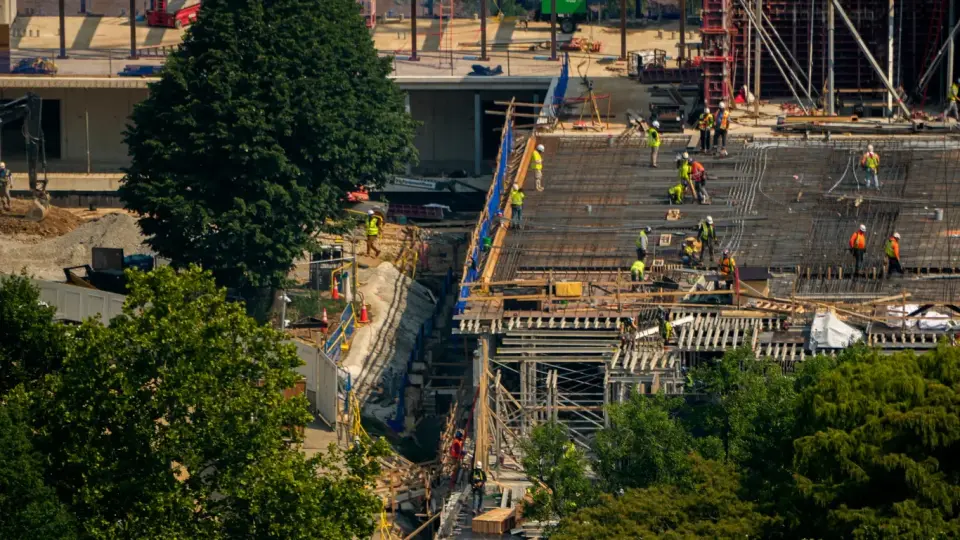
Chief Justice John Roberts issued a brief order pausing the D.C. District Court’s injunction against the White House ballroom construction, allowing work to continue while the Supreme Court reviews the case. The order does not address the project’s legality or set a timeline for a final ruling. The administration argues the project is vital for national security and is 65% complete, while opponents contend it lacks required congressional approval. The total cost has risen to at least $600 million, with $352 million in taxpayer funds redirected from the One Big Beautiful Bill.
Key points
- The Supreme Court paused the lower court’s injunction, allowing construction to proceed without ruling on the project’s legality.
- The administration claims the ballroom is 65% complete and necessary for national security, citing recent security threats.
- The project’s cost has increased by $400 million to at least $600 million, with $352 million in taxpayer funds redirected from the One Big Beautiful Bill.
- The National Trust for Historic Preservation argues the White House is attempting to 'outrun the courts' by accelerating construction.
- The D.C. District Court previously halted the project, stating Trump lacked congressional approval for the construction.
Background
The dispute began after the D.C. District Court issued an injunction in April, halting above-ground construction while allowing underground security work. A divided D.C. Circuit Court of Appeals upheld the halt in August, prompting the administration to seek a stay from the Supreme Court. The National Trust for Historic Preservation challenged the project, arguing it lacked required federal review and public input. The administration countered that the president has authority over White House renovations and that the project is privately funded, though taxpayer funds were later redirected.
How outlets are covering it
Axios emphasizes the administration’s national security arguments and the project’s progress, noting the 65% completion rate and the redirection of taxpayer funds. WSAJ highlights the legal dispute, focusing on the lack of congressional approval and the preservation group’s claim that the White House is accelerating construction to avoid judicial scrutiny. Both sources agree on the Supreme Court’s temporary stay but differ in emphasis: Axios frames the project as a security necessity, while WSAJ frames it as a legal battle over presidential authority.
Why it matters
The Supreme Court’s temporary stay allows a major White House renovation to proceed without a final legal ruling, raising questions about presidential authority over federal buildings and the role of congressional approval in large-scale projects. The project’s rising cost and use of taxpayer funds, despite initial claims of private funding, could influence future debates on executive power and public spending. The case also highlights tensions between the administration and preservation groups over the balance of security needs and historical preservation.
What to watch
The Supreme Court will review the case, potentially issuing a final ruling on the legality of the ballroom project. The administration may continue construction while awaiting the court’s decision, while the National Trust for Historic Preservation could seek further legal challenges. The project’s completion and use of taxpayer funds may face additional scrutiny from Congress and the public.
- Supreme Court allows Trump's ballroom construction to proceed for now Axios
- Trump Can Keep Building Ballroom While Supreme Court Weighs Appeal WSJ
- The Case of the Disappearing, Reappearing White House Ballroom Stairs The New York Times
- Chief Justice Roberts briefly allows White House ballroom construction The Hill
- Supreme Court allows White House ballroom construction to continue WSAZ
Want the full story? Read the original reporting
Read on Axios