
Hinds County rejects two-thirds of provisional ballots in tight Mississippi Senate race
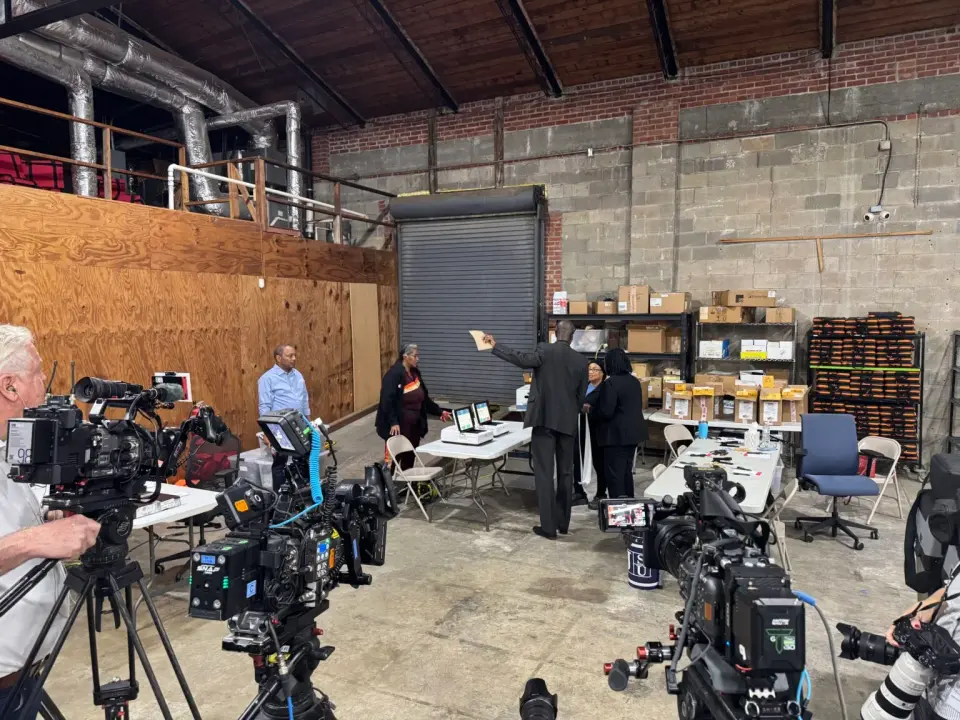
Hinds County, a key Democratic stronghold, rejected 66% of affidavit ballots cast during the 2026 midterms. The high rejection rate, driven by registration errors and missed deadlines, impacts the close U.S. Senate race between Scott Colom and Cindy Hyde-Smith. While the county accepted 817 ballots, 1,609 were discarded, raising concerns about voter access in a state with restrictive election laws.
Key points
- Hinds County accepted 817 of 2,426 affidavit ballots, resulting in a 66.3% rejection rate, significantly higher than the 24% statewide rejection rate.
- The rejected ballots are pivotal in the U.S. Senate race, where Democrat Scott Colom currently leads incumbent Cindy Hyde-Smith by over 3,000 votes.
- District 5, covering Jackson State University, saw the highest rejection numbers, with 482 ballots rejected, largely due to students failing to submit registration paperwork by the October 5 deadline.
- Mississippi’s restrictive election system, lacking early voting and same-day registration, forced tens of thousands of voters to use affidavit ballots after being marked inactive via Experian data.
- County officials must certify results by November 13, with Hinds County aiming to finalize its count on November 11.
Background
Mississippi’s 2026 midterm elections have been marked by widespread use of affidavit ballots due to the state’s reliance on Experian credit data to maintain voter rolls, which erroneously marked many voters as inactive. Previous coverage noted that Colom significantly outperformed his statewide margin in affidavit counts in Delta counties, widening his lead in the Senate race. The current situation in Hinds County reflects broader concerns about voter access in a state with one of the most restrictive election systems in the U.S.
How outlets are covering it
Democracy Docket and Mississippi Free Press highlight the high rejection rate in Hinds County, noting that 66% of affidavit ballots were rejected, far exceeding the 24% statewide rate. WAPT and WLBT focus on the specific impact on Jackson State University students, with 212 ballots rejected due to registration issues. While election commissioners like Kidada Brown and Felicia McClinton expressed surprise at the volume of rejections, they cited missed registration deadlines and wrong precinct voting as primary causes. Democratic National Committee representative Jacqueline Amos argued the rejections were expected given Mississippi’s restrictive laws, while Secretary of State Michael Watson defended the process as necessary for election integrity. The outlets agree on the numbers but differ in emphasis: some focus on the systemic issues, while others highlight individual voter experiences and local administrative failures.
Why it matters
The rejection of affidavit ballots in Hinds County could determine the outcome of the U.S. Senate race, which is currently too close to call. The high rejection rate in a Democratic stronghold raises questions about voter access and the fairness of Mississippi’s election procedures. If the accepted ballots do not shift the margin significantly, the race may remain undecided until the final certification on November 13. The incident also underscores the impact of restrictive voter registration laws and the use of unreliable data in maintaining voter rolls, potentially disenfranchising thousands of voters.
What to watch
Hinds County officials are counting the accepted affidavit ballots and aim to certify results by November 11. All Mississippi counties must upload certified results by November 13. The final outcome of the U.S. Senate race will depend on the tally of these provisional votes, which could narrow or widen Colom’s lead over Hyde-Smith. Legal challenges may follow if the results are contested, particularly given the involvement of the Democratic Senatorial Campaign Committee and the Elias Law Group.
- Mississippi’s key Democratic stronghold rejected most affidavit ballots Democracy Docket
- Hinds County Accepts 817 Affidavit Ballots, Rejects 1,609; Count Still Ongoing Mississippi Free Press
- JSU students face uncertainty over rejected election ballots WAPT
- 24% of affidavit ballots were rejected statewide, including some in Hinds County WLBT
- Hinds County reviews affidavit ballots as US Senate race remains tight WJTV
Want the full story? Read the original reporting
Read on Democracy Docket