
ICE Finalizes $16.7M Contract for 6,000 Shock Gloves Amid State and Federal Clash
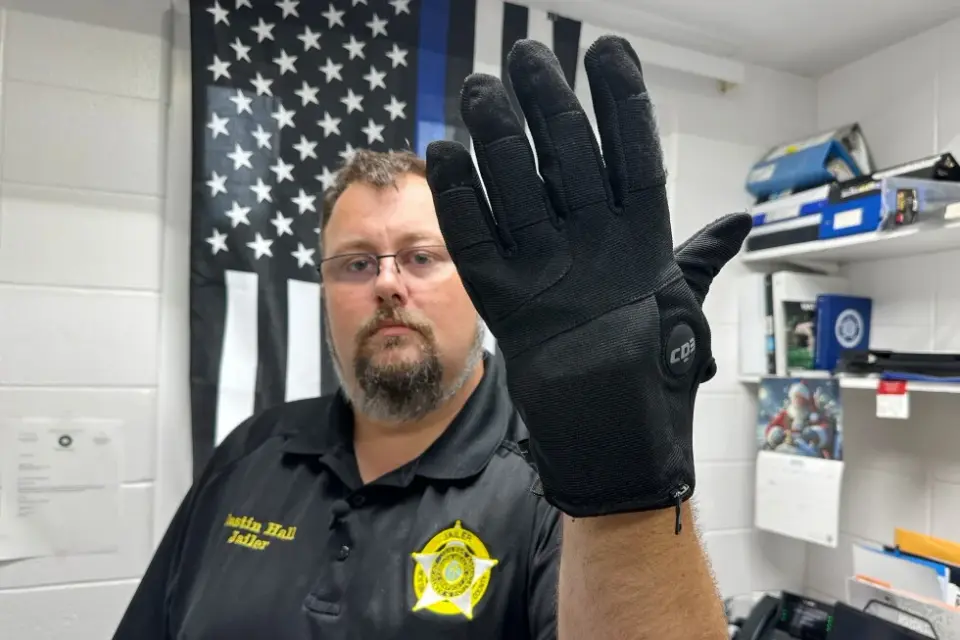
U.S. Immigration and Customs Enforcement (ICE) has awarded a $16.7 million no-bid contract to Compliant Technologies LLC for 6,000 electric shock gloves, known as G.L.O.V.E. (Generated Low Output Voltage Emitter). The devices, priced at $2,495 each, are designed to deliver a painful shock upon skin contact to subdue resisting detainees without using firearms. While ICE argues the gloves serve as a de-escalation tool, critics warn of potential abuse in civil arrests. The purchase has triggered a legal and political standoff, with California moving to ban the devices statewide while the Department of Homeland Security (DHS) defends the acquisition as essential for officer safety.
Key points
- ICE signed a six-month contract with Kentucky-based Compliant Technologies LLC for 6,000 shock gloves, totaling $16.7 million.
- The G.L.O.V.E. device functions as a standard glove until activated, delivering a shock to force compliance during arrests or transport.
- ICE claims the gloves reduce reliance on physical force and firearms, citing 'unprecedented levels of threats' against agents.
- Sen. Catherine Cortez Masto and 15 other Democratic senators urged ICE to cancel the purchase, citing risks to civil rights and lack of oversight.
- California Assemblymember LaShae Sharp-Collins introduced Assembly Bill 2760 to ban the purchase of wearable electroshock devices by state and local agencies.
- Sacramento County Sheriff Jim Cooper defended the technology, stating his office already purchased 10 units for $35,000 to avoid using more violent force.
Background
This development follows earlier reports in August 2026 that DHS planned to spend up to $20 million on the technology. Previous coverage highlighted that the G.L.O.V.E. had been used in local jails and schools, raising concerns about inadequate safety reviews. The current contract finalizes the procurement process, moving the technology from a planned acquisition to a formal federal contract, while simultaneously triggering legislative backlash at the state level.
How outlets are covering it
ICE and DHS frame the gloves as a necessary de-escalation tool that protects officers from violence and reduces the need for lethal force. They argue that critics are attempting to deny federal agents essential safety equipment. Conversely, Democratic senators and civil rights advocates argue that the devices pose substantial risks in civil immigration arrests, where oversight is minimal. They emphasize the lack of detailed training protocols and the potential for misuse. Sacramento County Sheriff Jim Cooper supports the technology, viewing it as a lower-level alternative to physical force that saves lives, while California lawmakers view it as a dangerous expansion of state power that lacks adequate health and safety reviews. The Sacramento Bee notes that local law enforcement already uses the devices, whereas CBS News highlights that this is a significant expansion of the technology into federal immigration enforcement.
Why it matters
The approval of the G.L.O.V.E. for federal immigration enforcement marks a shift in use-of-force policies, potentially normalizing electric shocks in civil arrests. The conflict between federal procurement and state bans highlights a broader jurisdictional struggle over the limits of law enforcement authority and the definition of 'less-lethal' weapons in an era of heightened immigration enforcement.
What to watch
California legislators will vote on Assembly Bill 2760 to determine if the state can ban the devices for local agencies. ICE is expected to deploy the gloves under its stated policy and training standards, though specific details remain undisclosed. Civil rights groups may pursue legal challenges regarding the use of the devices in civil arrests. DHS will likely continue to defend the purchase as a matter of officer safety, potentially leading to further federal-state conflicts over law enforcement equipment.
- ICE awards $16.7M contract to buy 6,000 pairs of gloves that deliver electric shocks AP News
- Letter signed by Democratic senators calls on ICE to halt electric shock gloves The Hill
- Sacramento sheriff demonstrates, defends shock gloves a CA lawmaker wants to ban Sacramento Bee
- ICE grants $16.7 million contract to buy thousands of electric shock gloves CBS News
- Group of Democratic senators calls on ICE to cancel plan to buy electric shock gloves ABC News - Breaking News, Latest News and Videos
Want the full story? Read the original reporting
Read on AP News