
Lawmakers demand halt to ICE's $20M electric shock glove procurement
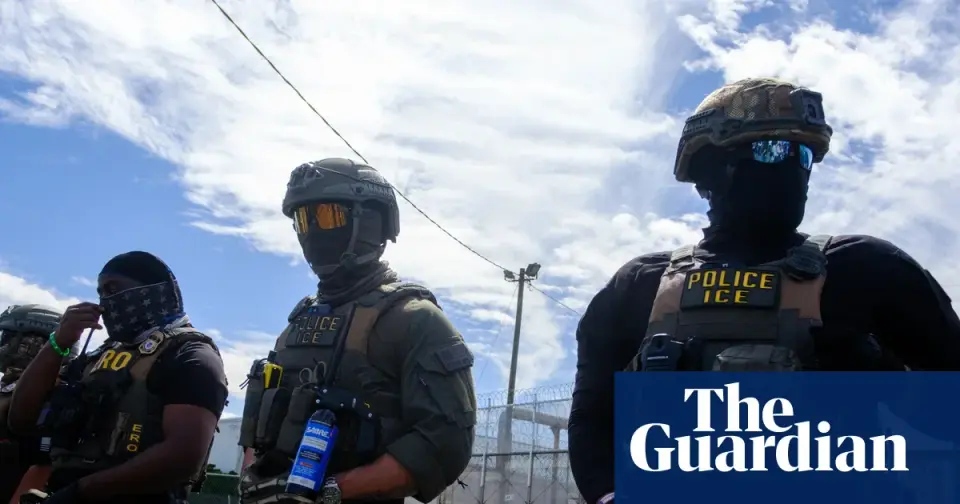
The US Department of Homeland Security (DHS) has announced a plan to spend up to $20 million to equip Immigration and Customs Enforcement (ICE) officers with electric shock gloves by March 2027. The devices, known as G.L.O.V.E. (Generated Low Output Voltage Emitter), deliver 324 to 380 volts of electricity upon contact with bare skin. Critics, including the ACLU and Democratic lawmakers, argue that ICE's reduced hiring standards and training make the gloves dangerous, citing recent lawsuits involving fatal injuries in Kentucky jails. While DHS defends the purchase as a necessary de-escalation tool, opponents warn of potential abuse in detention facilities and on the streets.
Key points
- DHS plans to spend between $10 million and $20 million to procure G.L.O.V.E. gloves for ICE officers, with the contract potentially running through March 31, 2027.
- The gloves, manufactured by Compliant Technologies, deliver electric shocks via direct skin contact and are marketed as non-lethal de-escalation devices.
- Democratic lawmakers Shri Thanedar, Bennie G. Thompson, and Lou Correa wrote to DHS Secretary Markwayne Mullin urging the agency to halt the procurement, citing ICE's 'horrific record of violence' and lack of proper training.
- A pending lawsuit alleges that Johnathan Mansfield died after being shocked 27 times with the gloves and 13 times with a Taser at a Kentucky jail, with some exposures lasting up to 99 seconds, far exceeding the 15-second recommended limit.
- The ACLU's Sarah Mehta stated that ICE has dropped hiring and background check standards, making the use of such devices 'terrifying' and lacking proper oversight.
Background
In August 2026, the DHS first announced the procurement plans for the G.L.O.V.E. gloves, sparking immediate debate among civil liberties advocates. Previous coverage highlighted that the devices require biennial certification and that the manufacturer warns against using them on vulnerable groups, including the elderly and pregnant women. While DHS officials emphasized that the gloves are part of a broader de-escalation strategy and that body camera expansion is ongoing, critics remained concerned about the lack of transparency regarding deployment details and the potential for misuse in immigration enforcement.
How outlets are covering it
The Guardian and The Times of India both report on the $20 million procurement but differ in their emphasis on the political response. The Guardian focuses heavily on the ACLU's concerns regarding ICE's reduced hiring standards and the specific dangers of using the gloves in detention facilities like Fort Bliss. It also details the manufacturer's demonstration videos and the specific voltage output (324-380 volts). The Times of India, however, centers the story on the formal intervention by Democratic lawmakers, highlighting their letter to DHS Secretary Markwayne Mullin and their argument that the gloves could lead to 'injury or death' due to ICE's rushed training programs. While both sources cite the Kentucky lawsuits, The Times of India notes that the manufacturer warns the devices 'may result in injury or death,' a specific caution highlighted by the lawmakers' press release, whereas The Guardian focuses more on the ACLU's broader critique of ICE's operational standards.
Why it matters
The potential deployment of electric shock gloves by ICE raises significant concerns about the use of force in immigration enforcement, particularly given the agency's recent history of controversial tactics. The controversy highlights the tension between the government's push for new de-escalation tools and civil rights advocates' fears that these tools will be used without adequate oversight or training, potentially leading to serious injuries or deaths in detention facilities and on the streets.
What to watch
The DHS has not yet responded to the lawmakers' demand to halt the procurement. The contract for the gloves is expected to run through March 31, 2027, and the agency has stated that it is 'constantly assessing the needs of our officers in the field.' The pending lawsuit regarding the death of Johnathan Mansfield in Kentucky will likely continue to draw attention to the risks associated with the gloves, while civil rights groups may continue to push for greater transparency and oversight of ICE's use of force.
- Alarm over $20m plan to supply ICE officers with electric-shock gloves The Guardian
- ICE’s tactics look increasingly like torture | Judith Levine The Guardian
- ICE assessing electric shock gloves for possible use by officers in Idaho KTVB
- ‘Could result in injury or death’: Thanedar urges US to halt ICE’s electric shock glove plan The Times of India
- Letters: Electric shock gloves are a step too far Times Union
Want the full story? Read the original reporting
Read on The Guardian