
Vice President Vance’s Fat-Shaming Jab Ignites National Debate Over Student Food Costs
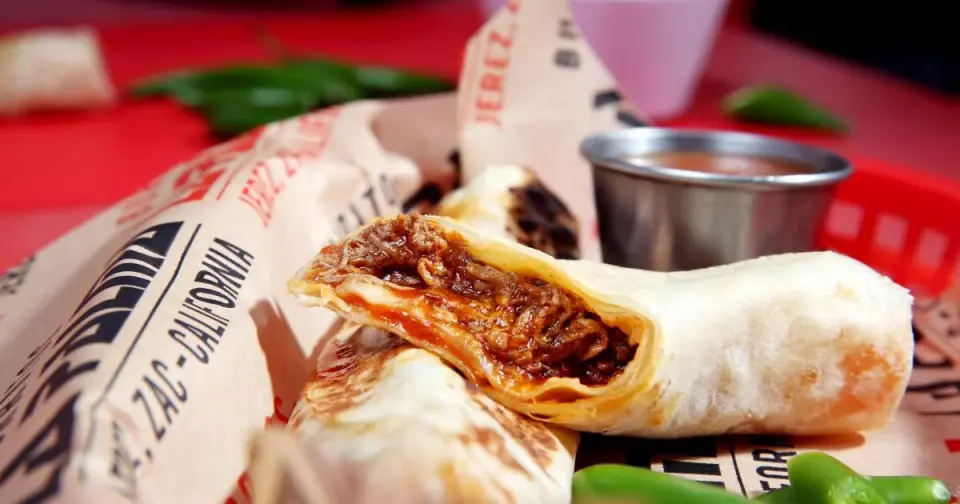
A viral social media argument over the cost of a $20 burrito has escalated into a broader political clash between conservative leaders and students. While Republicans dismiss high food prices as a temporary inflation hangover, college students in Los Angeles report that current costs force them to ration meals and skip campus dining plans. The debate intensified after Vice President JD Vance mocked a critic’s weight, linking the issue to personal responsibility rather than economic policy.
Key points
- Turning Point USA spokesperson Andrew Kolvet’s post about a $20 burrito cost gained over 3 million views, framing high prices as a lingering effect of previous inflation.
- Los Angeles students, facing a minimum wage of $18.42 per hour, note that a single $20 burrito exceeds one hour of labor, making daily meals financially unsustainable.
- Vice President JD Vance attacked a conservative columnist’s physical appearance on social media, using the burrito debate to mock critics of his Iran policy stance.
- Rep. Dan Crenshaw advised students to 'eat ramen' and 'get a job,' a stance that drew backlash from students who cite nutritional needs and the high cost of even basic grocery items.
- In response to rising costs, students in Los Angeles have organized communal 'Cafe 10:31' lunches for $10 per person and shifted to bulk meal prepping to avoid expensive campus food trucks.
Background
This debate follows earlier coverage of JD Vance’s aggressive social media tactics and his potential 2028 presidential ambitions. It also aligns with recent reports on the impact of H.R. 1 on food assistance, which has left many Los Angeles families and farmers struggling with reduced funding for food stamps. The current discussion highlights a growing disconnect between political rhetoric on inflation and the lived economic realities of young adults in high-cost urban areas.
How outlets are covering it
The Los Angeles Times emphasizes the human impact of the debate, highlighting how students in Los Angeles are forced to adopt survival strategies like communal dining and bulk cooking due to the gap between minimum wage and food costs. In contrast, The New York Times focuses on the political fallout, detailing how Vice President JD Vance used the burrito controversy to launch a personal, fat-shaming attack on a conservative columnist, signaling a shift toward more combative political discourse. National News Desk provides a neutral overview of the online arguments, noting that while some conservatives like Matt Walsh acknowledge rising grocery prices, others like Dan Crenshaw dismiss the complaints as a lack of personal discipline. The Telegraph source was inaccessible due to a security block, so no perspective could be extracted from it.
Why it matters
The burrito debate serves as a proxy for a larger national conversation about the cost of living and the effectiveness of current economic policies. It highlights the tension between political narratives that blame individuals for financial struggles and the reality of students who are rationing meals and skipping nutritious options due to high prices. The involvement of high-profile figures like JD Vance and Dan Crenshaw indicates that food affordability is becoming a significant political issue, potentially influencing voter sentiment among young adults and shaping the 2028 election landscape.
What to watch
The debate is likely to continue as more politicians and commentators weigh in on the issue. The Los Angeles Times notes that the conversation has already spread beyond Los Angeles to other universities, with students in places like Cal State Long Beach and UCLA also facing high food costs. The New York Times suggests that JD Vance’s aggressive social media tactics may set a new tone for political discourse, potentially leading to more personal attacks and less decorum in public debates. The impact of the debate on voter sentiment, particularly among young adults, will be a key factor to watch in the lead-up to the 2028 election.
- For L.A. college students, the GOP’s $20-burrito debate is about more than lunch Los Angeles Times
- Insults, Expletives and Fat-Shaming: Vance Trolls Critics on the Right and Left The New York Times
- Crenshaw weighs in on ‘dumb’ $20 burrito sparking debate over affordability The Hill
- How burritos are tearing apart the Republican Party The Telegraph
- Burrito price debate sparks online war between conservative commentators, politicians National News Desk
Want the full story? Read the original reporting
Read on Los Angeles Times