
Iowa GOP Candidates Reject Blue Wave Narrative Amid Midterm Concerns
Local Republican candidates in Scott County, Iowa, argue that the national narrative of a Democratic 'blue wave' does not reflect ground-level sentiment. While acknowledging voter concerns over gas prices and the Iran conflict, these candidates maintain that enthusiasm for the GOP remains high and that Democrats lack a viable economic plan. They emphasize the party's recent tax cuts and warn against increased spending under Democratic control, despite polling showing Democratic gains in key state races.
Key points
- Fox News interviewed four local GOP candidates in Davenport, Iowa, who dismissed the idea of an imminent Democratic 'blue wave' in the state.
- Greg Guy, a Republican treasurer candidate, reported low enthusiasm among Democratic voters during door-to-door canvassing, suggesting many are too frustrated to vote.
- Cynthia Mensendick, a Senate candidate, expressed concern that a Democratic governor would immediately increase state spending, comparing the potential outcome to Illinois.
- Dillon Fillion, the youngest candidate in Scott County history, contrasted Republican tax cuts with Democratic proposals, labeling some Democratic opponents as socialist or communist.
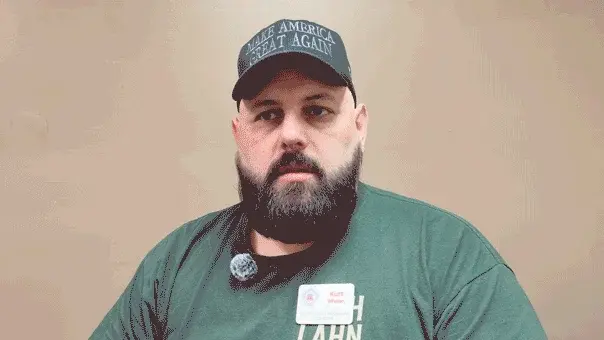
- Kurt Whalen, the Scott County GOP Vice Chair, stated that while there are internal disagreements, the Republican base remains 'fired up' and supportive of the party's direction.
Background
Recent archive articles indicate a sharp decline in President Trump's approval ratings, with some analysts predicting a historic Democratic majority in the House. Polls from late September showed Democrats holding an 11-point lead among likely voters, driven by economic dissatisfaction and high gas prices. Financial strategists have identified a potential 'blue wave' as a key scenario for market volatility, though some experts caution that local campaign advantages and funding gaps for Democrats may prevent a total sweep. Iowa has shifted more red in recent years, with Republicans controlling the governor's office and legislature, but the state remains a critical battleground due to its mixed urban and rural demographics.
Why it matters
Iowa serves as a microcosm for the broader midterm struggle, where national economic discontent clashes with local party loyalty. The disconnect between national polling trends and local Republican optimism highlights the complexity of predicting election outcomes in swing states. If the 'blue wave' narrative fails to materialize in key counties like Scott County, it could signal that economic grievances are not translating into sufficient voter turnout or enthusiasm to overcome the incumbent party's organizational strength and base mobilization.
What to watch
The focus will shift to the final month of campaigning, particularly the gubernatorial race between Republican incumbent and Democratic challenger Rob Sand. Voter turnout and enthusiasm in urban pockets like Davenport versus rural areas will be critical indicators of whether the 'blue wave' narrative holds. The November 3 midterm election will determine if Democrats can translate national dissatisfaction into legislative control in states like Iowa, which could impact the balance of power in Congress and state legislatures.
Want the full story? Read the original reporting
Read on Fox News