
Iran War and Skyrocketing Fuel Costs Threaten GOP Midterm Hold
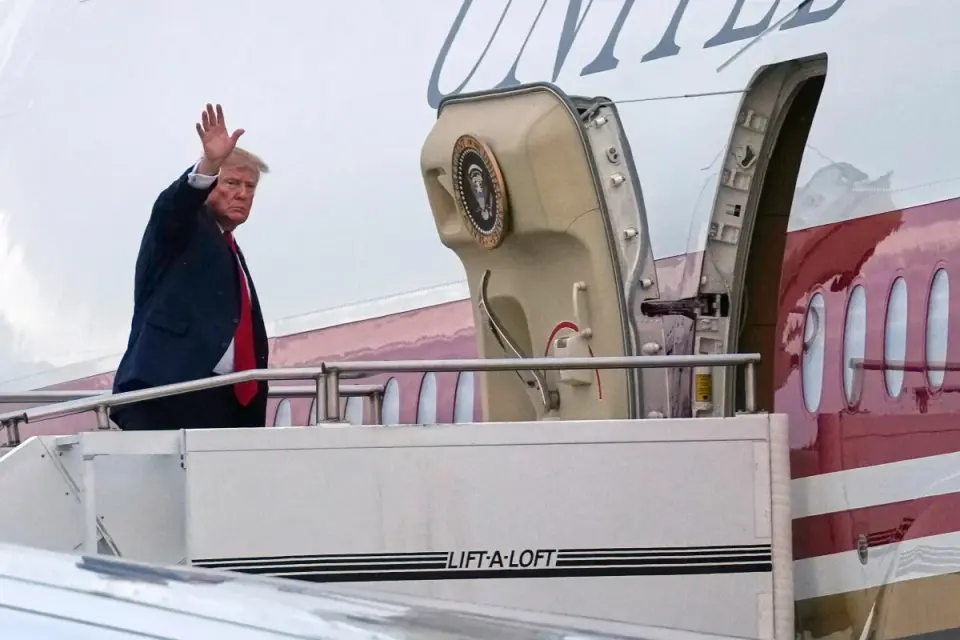
The ongoing conflict with Iran has become a significant liability for the Republican Party ahead of the November 3 midterms. Despite President Trump’s insistence that the war is a brief 'detour' and that high fuel costs are a necessary trade-off for national security, rising gasoline prices and voter fatigue are eroding support among traditional GOP voters. Internal party strategists acknowledge that the conflict, which Trump initially predicted would last only weeks, has now stretched to nearly eight months, damaging the party’s ability to retain control of Congress. While some supporters remain loyal, others are disillusioned by the betrayal of the 'America First' non-intervention pledge, leading to a shift toward Democrats in key battleground states.
Key points
- The Iran war, ongoing for nearly eight months, has driven national average gasoline prices above $4 per gallon since mid-June, causing economic strain in sectors like trucking and retail.
- Republican strategists privately admit the conflict is severely damaging their chances of retaining Congress, with internal polls showing voters linking the war to higher grocery and travel costs.
- President Trump has dismissed critics as pushing a 'hoax,' arguing that gas prices are a 'small price to pay' to eliminate Iran’s nuclear threat, though he has also threatened new bombings post-election.
- An AP-NORC poll indicates that voters from both parties prioritize affordability and ending the war, regardless of the election outcome, reflecting widespread dissatisfaction with the current trajectory.
- The conflict has expanded regionally, with Houthi attacks on Saudi infrastructure and a Saudi-led coalition response, while the State Department reduced staffing at four Middle East embassies due to heightened threats.
Background
This development follows a period of rising economic anxiety, with gas prices surging 37% year-over-year to an average of $4.46 in September. Recent polls indicated that even potential policy victories, such as ending the war, are unlikely to shift voter sentiment before Election Day. Republican candidates have faced a strategic dilemma, needing Trump’s base turnout while fearing his low approval ratings would alienate swing voters in competitive districts.
Why it matters
The Iran war represents a critical test for the Republican Party’s ability to maintain its congressional majority. The disconnect between the administration’s messaging and the lived economic reality of voters, particularly regarding fuel costs, threatens to fracture the party’s traditional base. If the conflict continues to escalate or remain unresolved, it could permanently alter the political landscape by driving conservative voters toward the opposition, undermining the 'America First' platform that defined the current administration.
What to watch
Republicans are expected to intensify their focus on affordability and ending the war in their final campaign pushes, though internal polling suggests these messages have limited resonance. The State Department’s reduction of embassy staff suggests a potential for increased regional instability. Post-election, Trump has hinted at the possibility of renewed military action if a deal is not reached, creating uncertainty for global energy markets and diplomatic relations.
Want the full story? Read the original reporting
Read on AP News