A POLITICO analysis finds that Trump’s focus on affordability surged early in 2026 but, after the Iran war began, shifted toward war and military action, with affordability talk dropping and war topics rising—amid high gas prices and a political climate that Democrats are leveraging to critique his economic messaging ahead of the midterms.
Tribal-owned convenience stores with gas stations across the U.S. are offering cheaper fuel thanks to tribal tax exemptions, drawing drivers from California to New Mexico and beyond as the Iran conflict pushes prices higher. The Tulalip Market near Seattle, for example, charges about $4.84 a gallon, roughly 75 cents below some nearby stations, and other reservations report similar savings (e.g., $3.79 on Mescalero land; $5.09 at a California station, about 60 cents cheaper than non-tribal rivals). Tribes typically pay federal fuel taxes while state taxes may be waived or reduced on tribal lands, depending on treaties and jurisdiction. Those savings help fund tribal services and reinvest in communities through gas revenue, groceries, and near-reservation businesses, underscoring the broader economic role of tribally owned enterprises."
US gas prices around $4.15–$4.17 per gallon aren’t expected to fall back to prewar $3 even if Iran’s ceasefire holds. Uncertainty over reopening the Strait of Hormuz, plus ongoing Gulf production cuts, possible tolls, higher shipping insurance, and risk premiums in oil futures—all compounded by global market dynamics—mean relief to below $3 is unlikely this year, with some analysts suggesting it may not happen until next year.
The upcoming March CPI is expected to show inflation around 3.3% annually, the highest since May 2024, driven by a surge in energy costs tied to the Iran war, with economists warning inflation could top 3% in March and exceed 4% by April, signaling ripple effects on groceries, travel, and borrowing costs as the Fed remains cautious on policy.
A CBS MoneyWatch report says the U.S.-Iran ceasefire could eventually bring gas-price relief, but any drop may be slow and uncertain. The national average sits around $4.16 per gallon with some states above $5, and a few-cent decline could begin this weekend if the truce holds—yet prices could rebound if tensions flare or the deal unravels. If oil stabilizes near $90 a barrel in the coming weeks, gas prices may drift toward about $3.75 per gallon, and by year-end around $3.50, though sub-$3 is unlikely; much depends on global energy-market confidence and the safety of passing through the Strait of Hormuz.
Republicans fear the two-week Iran ceasefire will not spare them from a midterm backlash, as volatile gas prices and persistent cost‑of‑living pressures tied to the war threaten GOP prospects in November, even as Trump’s diplomacy and a hoped‑for economic rebound offer some political shelter.
President Donald Trump accused allied governments of not joining a widening conflict with Iran, telling them to “go get your own oil” as Iran’s attacks and the Strait of Hormuz disruption push Brent crude around $107 a barrel and lift U.S. gas prices above $4 per gallon. The escalation—marked by U.S. strikes on Iran and Iranian strikes on regional targets—has roiled global markets and raised the risk of a broader war, while European countries have offered limited involvement and debated airspace and base access.
President Trump says the U.S. will remain in the Iran–Strait of Hormuz operation for now and urges allies to join the effort, arguing Iran has been decimated; he offers no firm end date, cites rising gas prices, and says victory cannot be declared without addressing Iran's nuclear stockpile.
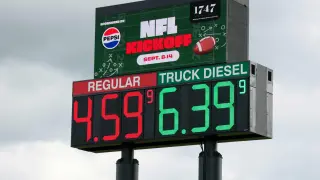
U.S. regular-gas prices have climbed to about $4.02 per gallon, a roughly 35% jump since the Iran conflict began, as crude prices top $100 and supply concerns persist with the Strait of Hormuz constrained; there are regional variances (California around $5.89 vs. Oklahoma about $3.27) and analysts expect prices to stay elevated amid the ongoing tension.
Escalating U.S.-led conflict with Iran includes drone strikes on ships and reports of strikes on Isfahan, a desalination plant outage, and damage to a Kuwaiti tanker near Dubai, fueling concern over oil supplies as U.S. gasoline prices rise above $4 per gallon; Trump signals ambivalence about reopening the Strait of Hormuz while Gulf allies and European partners debate ongoing involvement amid wider regional tensions including Lebanon.
The national average price for regular gasoline in the United States has risen above $4 per gallon, the highest level since 2022, signaling renewed pressure on pump prices.
U.S. average gasoline price rose to about $4 per gallon, a level not seen since August 2022, as Middle East tensions continue to choke Persian Gulf oil supplies. Since late February, the national average for regular unleaded has jumped roughly 35%, potentially forcing drivers to trim spending as pump costs bite into consumer budgets.
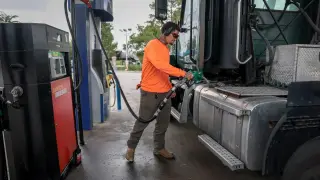
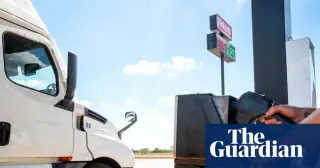
Rising gas prices, driven by oil disruptions, are squeezing workers who drive for work—Uber/Lyft drivers, delivery staff, cleaners, and others—who largely pay for fuel themselves and often get only partial reimbursement. Some employers are raising mileage rates (e.g., Alpine Maids at 72.5 cents/mile; Doggy Lama at 80 cents) or adjusting schedules to reduce travel, while gig platforms are adding temporary fuel incentives. Many drivers report thinner margins as the national gas average nears $4 per gallon, with some declining tips or skipping orders to keep costs in check; diesel prices have climbed even more, affecting trucking and bus services globally. The situation is forcing workers and businesses to re-balance prices, hours, and reimbursements amid ongoing price volatility.
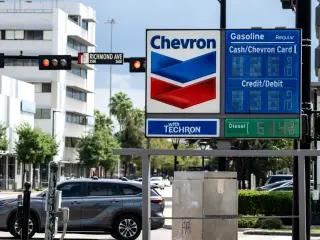
Gas prices are rising across the Bay Area, with Marin County posting the nation’s highest average at about $6.05 per gallon, followed closely by San Francisco. Lawmakers are weighing a temporary suspension of the federal gas tax (roughly 18 cents per gallon) to provide relief. Prices have jumped about $1.20 in a month amid geopolitical tensions related to Iran, impacting budgets and prompting some residents to drive less, though current Bay Area prices remain below the 2022 peak. California remains the most expensive state for gasoline.
Rising U.S. gasoline prices – about $1 per gallon higher since the Iran war began, with California averages above $6/gal – are eroding take-home pay for people who drive their own cars for work, including Uber/Lyft drivers, as higher fuel costs squeeze earnings and potentially alter driving patterns.