
Jackson Condemns 'Shadow Docket' as Court Fast-Tracks Trump Policies
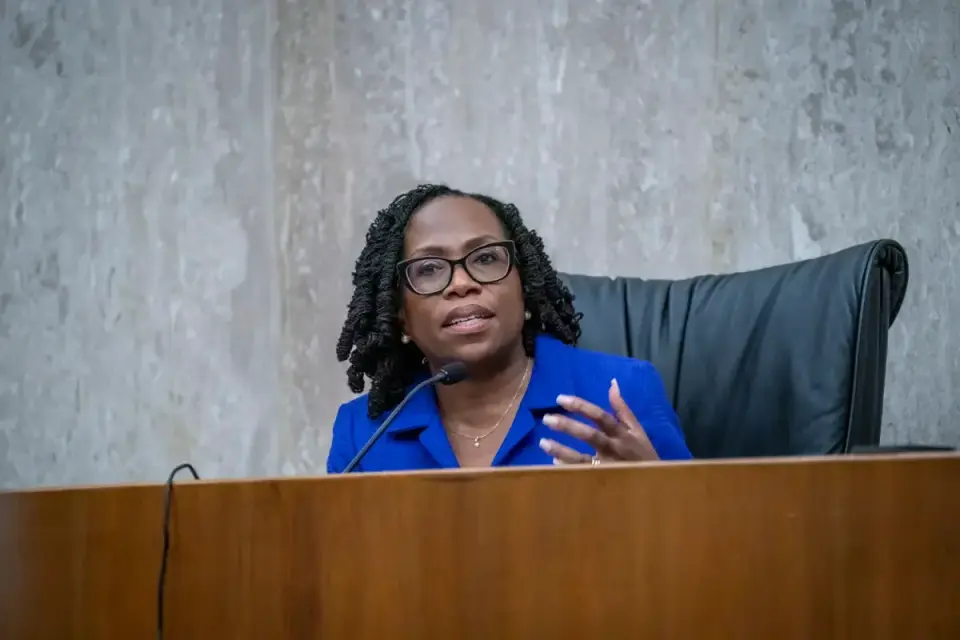
Supreme Court Justice Ketanji Brown Jackson publicly criticized the high court’s use of its emergency 'shadow docket,' arguing that rapid rulings without full review undermine public trust. She warned that the current bench is too quick to grant the Trump administration relief from lower-court blocks on policies ranging from immigration to DEI grants. While the court has occasionally ruled against the administration, Jackson’s remarks highlight growing concerns about the opacity and political nature of emergency interventions.
Key points
- Justice Jackson stated that the public cannot trust the judicial system if the court consistently green-lights harmful acts without clear explanations.
- The Trump administration has filed over 30 emergency requests since January 2025, many of which were granted to bypass lower-court rulings.
- Specific policies advanced via the shadow docket include the firing of 1,300 Department of Education workers and the cancellation of $783 million in NIH grants.
- Jackson declined to grant an immediate administrative stay on a new deportation request, forcing the administration to seek full court review.
- The court’s 2026-27 term begins on October 5, following a period of increased emergency filings.
Background
This criticism follows a pattern of Jackson’s dissents, including her August 2026 dissent regarding mail-in voting rules, where she warned that emergency interventions could inject chaos into the electoral process. The current term is marked by a surge in litigation against Trump administration policies, leading to frequent emergency stays.
How outlets are covering it
The New York Post emphasizes Jackson’s call for 'first principles' and her description of the docket as 'problematic.' The Guardian highlights the contrast between Jackson’s public critique and the fact that three conservative justices dined with President Trump and Chinese President Xi Jinping on the same day. MS NOW focuses on the procedural details of Jackson’s refusal to grant an immediate stay on a deportation case, noting that the administration’s request anticipated her skepticism. While all sources agree on the criticism of the docket, they differ in emphasis: the Post focuses on the erosion of trust, the Guardian on the political optics, and MS NOW on the specific legal maneuvering.
Why it matters
The shadow docket allows the Supreme Court to intervene in cases without oral arguments or detailed opinions, bypassing standard legal review. Critics argue this process is opaque and politicized, potentially undermining the legitimacy of the judiciary. Jackson’s public remarks signal a shift in how liberal justices may approach emergency requests, potentially slowing the implementation of controversial executive policies.
What to watch
The Supreme Court is set to begin its 2026-27 term on October 5. The administration may continue to file emergency requests, but Jackson’s stance suggests that liberal justices may be less willing to grant immediate relief without full review. The outcome of the pending deportation case will be a key indicator of the court’s future approach to emergency docket cases.
- Ketanji Brown Jackson rips Supreme Court’s ‘shadow docket’ over Trump policy wins New York Post
- Justice Jackson Calls Emergency Docket ‘Potentially Corrosive’ nytimes.com
- Ketanji Brown Jackson criticizes supreme court’s handling of emergency docket The Guardian
- Justice Jackson is still skeptical of deferring to the Trump administration MS NOW
- Jackson warns Supreme Court’s emergency rulings imposing ‘institutional costs’ The Hill
Want the full story? Read the original reporting
Read on New York Post