
Jackson Warns Supreme Court's Emergency Docket Is Corrosive and Politicized
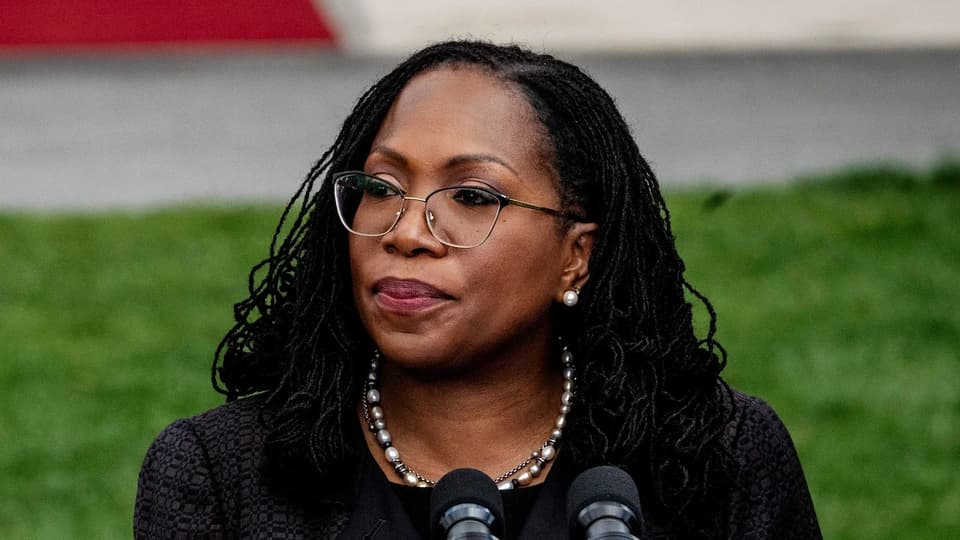
Justice Ketanji Brown Jackson criticized the Supreme Court's frequent use of its emergency docket, arguing it undermines public trust and favors the Trump administration. Speaking at the University of the District of Columbia, she called for greater restraint and adherence to traditional standards for intervening in lower court cases.
Key points
- Jackson labeled the court's emergency docket practices as 'problematic' and 'potentially corrosive' to the federal system.
- She argued the court has become 'noticeably less restrained' compared to historical precedents, especially in high-profile cases.
- The criticism follows a recent surge in emergency petitions, including disputes over mail-in ballots and redistricting in Missouri.
- Jackson emphasized that the public cannot trust the judiciary if the court consistently approves harmful acts without clear explanations or full hearings.
Background
This speech follows a period of heightened tension regarding the Supreme Court's 'shadow docket.' In August 2026, Jackson dissented against allowing parts of a Trump-era mail-in voting order to proceed, warning it could cause chaos in the midterms. The court has also recently intervened in a high-profile custody dispute involving a critically ill infant, where Justice Elena Kagan denied a stay, highlighting the ongoing debate over the scope of emergency interventions.
How outlets are covering it
The Washington Post and The New York Times both highlight Jackson's call for restraint, with the NYT emphasizing the threat to public faith in the judiciary. USA Today notes that while Jackson did not name the Trump administration, her comments referenced a previous dissent by Justice Sonia Sotomayor regarding immigration cases. Bloomberg Law contextualizes the speech within a recent flurry of emergency applications, including a new petition by the Trump administration to uphold third-country deportation policies, and notes that lower court judges have expressed frustration over the lack of precedential weight in these unsigned rulings.
Why it matters
Jackson's public critique signals a potential shift in the court's internal dynamics regarding emergency interventions. If the court continues to bypass lower courts for politically charged cases, it risks eroding its institutional legitimacy and creating legal uncertainty for states and federal agencies relying on the appellate process.
What to watch
The Supreme Court is expected to face more emergency petitions as the new term begins, including ongoing disputes over voting maps and deportation policies. Jackson's call for stricter standards may influence how the court evaluates future requests for immediate intervention, potentially leading to more dissents from the liberal bloc.
- Justice Ketanji Brown Jackson criticizes Supreme Court’s use of emergency docket The Washington Post
- Justice Jackson says Supreme Court intervenes too quickly on Trump's side USA Today
- Justice Jackson Calls Emergency Docket ‘Potentially Corrosive’ The New York Times
- Jackson skewers Supreme Court over emergency docket Politico
- Jackson Says Supreme Court ‘Less Restrained’ on Emergency Docket Bloomberg Law News
Want the full story? Read the original reporting
Read on The Washington Post