
Jeffries faces tough path to affordability as Democrats prepare to confront Trump
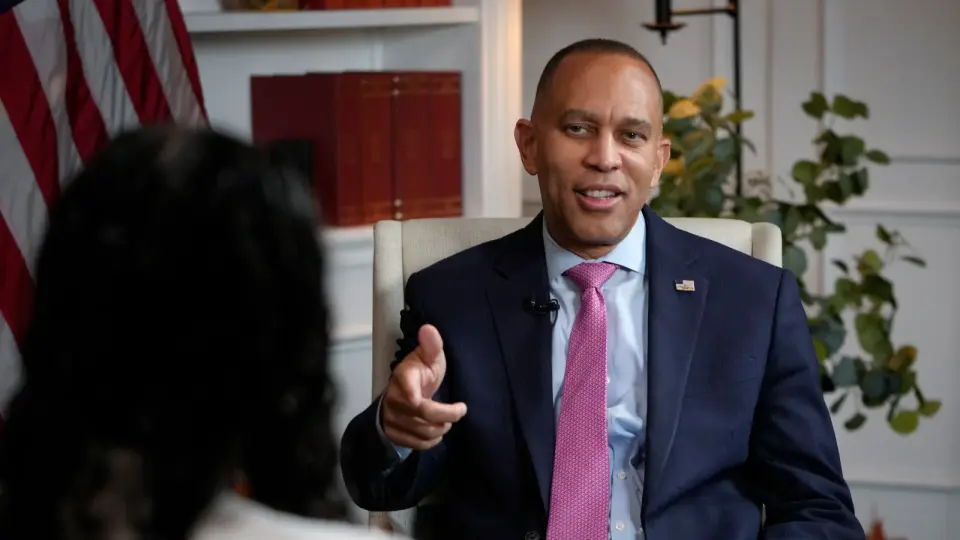
House Democratic leader Hakeem Jeffries promises to lower costs for voters if his party wins the House in November, but faces a difficult path as President Trump remains in office for two more years. Democrats plan to prioritize housing, healthcare, and tariff reforms, but must navigate potential vetoes and impeachment threats. Jeffries has sought common ground with the White House, including a meeting with Jared Kushner, though this move drew criticism from some party members. The party is preparing specific legislative actions for the first 100 days, aiming to repeal Medicaid changes and restore healthcare subsidies, while balancing pressure from progressives and the need for bipartisan deals.
Key points
- Democrats are expected to win the House in the November midterms, but President Trump will remain in office until 2028, creating a divided government.
- Hakeem Jeffries pledged to make life more affordable, focusing on housing, healthcare, gas, utilities, caregiving, and groceries.
- Jeffries indicated that top priorities include ending the war in Iran and terminating Trump's tariffs, arguing that congressional authority must be reclaimed.
- The Democratic leadership is preparing specific bills for the first 100 days, including repealing Medicaid changes from Trump's tax law and reinstating expired Obamacare subsidies.
- Jeffries met with Jared Kushner to discuss housing and criminal justice reform, a move that sparked backlash from some Democrats who view it as inappropriate engagement with the White House.
- Trump has suggested he is open to deal-making but also warned he will act as a 'blocker' if Democrats take control of the House.
Background
Recent developments highlight the tension between Congress and the White House. In August, Senate Democrats granted Trump limited tariff power as part of a Russia sanctions deal, a move that drew criticism from some Democrats who argued it risked unchecked presidential discretion. In September, a CBS News poll found that Democratic voters were more motivated to oppose Trump than to advance specific policies, suggesting that anti-Trump sentiment may drive midterm turnout. Additionally, GOP rebels helped Democrats pass a War Powers Resolution limiting Trump's military actions in Iran, indicating potential bipartisan support for curbing executive authority. These events underscore the ongoing struggle for legislative control and the challenges Democrats face in implementing their agenda while facing a resistant executive branch.
Why it matters
The outcome of the midterms will determine whether Democrats can effectively challenge Trump's policies and implement their affordability agenda. If Democrats win the House but fail to pass key legislation due to vetoes or impeachment threats, it could undermine their promise to lower costs for voters. The ability to navigate a divided government and find common ground with the White House will be crucial for Democrats to deliver on their campaign promises and maintain public support. This situation also highlights the broader challenges of governance in a polarized political environment, where cooperation between opposing parties is difficult but necessary for addressing pressing issues like inflation and healthcare.
What to watch
Democrats are expected to announce specific legislative priorities immediately after the election, focusing on the first 100 days in office. Jeffries will likely face pressure from progressives to push party-line bills like Medicare for All, which he does not personally support. The party will also need to navigate potential vetoes from Trump and the threat of impeachment, which could complicate any efforts to pass legislation. If Democrats win Senate seats in red states like Texas and Alaska, it could shift the balance of power and make it easier to pass legislation over presidential vetoes. The next few months will be critical for Democrats to demonstrate their ability to deliver on their promises and maintain public support.
Want the full story? Read the original reporting
Read on USA Today