
One Year After Kirk’s Death, US Workers Face Legal Battles Over Social Media Posts
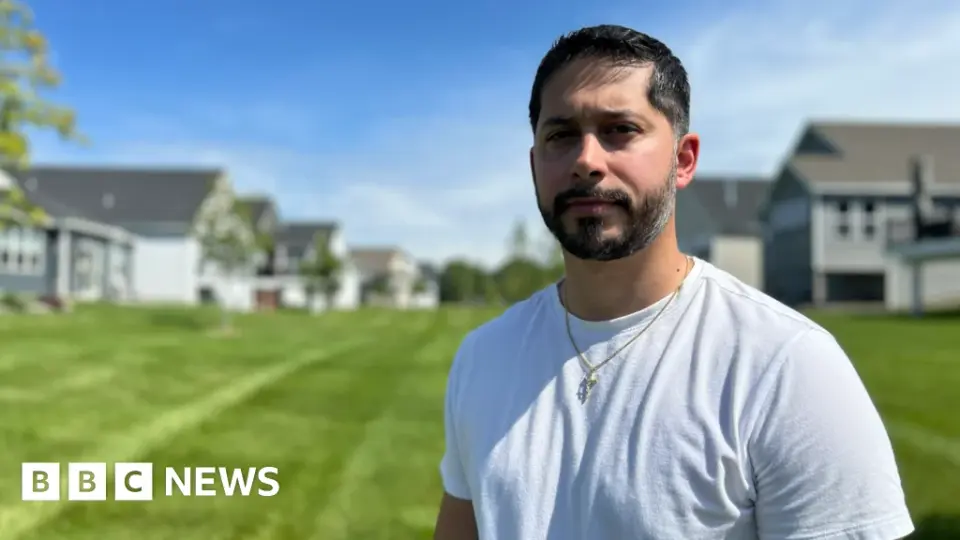
One year after conservative activist Charlie Kirk was fatally shot in Utah, hundreds of US workers have faced termination or discipline for social media comments regarding his death. While some employees have secured multi-million dollar settlements, others remain unemployed. The controversy highlights a sharp divide between conservative calls for accountability and liberal arguments for free speech, with legal outcomes varying significantly based on whether workers are public employees or private 'at-will' staff.
Key points
- Kirk was killed on September 10, 2025, at Utah Valley University, triggering a national debate on online speech.
- A Reuters tally found over 600 instances of firings or discipline, though this is likely an undercount.
- Florida’s Fish and Wildlife Conservation Commission agreed to pay $615,000 to settle lawsuits from three fired biologists.
- University of Tennessee paid $1.9 million to settle a lawsuit with anthropologist Tamar Shirinian, who was fired for a Facebook comment.
- Private sector employees, such as basketball writer Gerald Bourguet, often lack legal protections and struggle to find new work.
- Some employees, like Georgia teacher Michelle Mickens, won settlements but described the experience as an attack on public education.
Background
This story follows the 2025 assassination of Charlie Kirk, founder of Turning Point USA, which polarized US politics. Earlier coverage noted how the event sparked doxxing, harassment, and a surge in security services. The current developments focus on the legal and professional aftermath for those who criticized Kirk online, contrasting with the memorialization efforts and 'Kirkiversary' events observed in the past year.
How outlets are covering it
Conservative figures, including Vice President JD Vance and commentator Laura Loomer, urged employers to fire those who mocked Kirk, framing it as a response to 'assassination culture.' Left-leaning critics argued this was hypocritical 'cancel culture' targeting protected speech. Employers varied in their response; some acted swiftly to pressure campaigns, while others faced lawsuits. Legal outcomes differ by sector: public employees often won settlements due to First Amendment protections, while private 'at-will' workers like Bourguet faced permanent career damage with little recourse. Some plaintiffs, like Shirinian, accepted settlements to move on, while others, like Mickens, viewed the financial compensation as insufficient justice for the broader attack on public education.
Why it matters
The Kirk-related firings illustrate the escalating risks of online political expression in the US workplace. The legal battles define the boundaries of free speech for both public and private employees, potentially setting precedents for future political controversies. The disparity in outcomes highlights how employment status determines the consequences of political speech, influencing how individuals engage with polarizing political events online.
What to watch
Several lawsuits remain pending, including a federal trial for former Iowa teacher Matthew Kargol scheduled for May 2027. Employers may continue to tighten social media policies in response to public pressure. The long-term impact on the careers of those fired, such as Bourguet, remains uncertain, with some considering relocation or leaving the country.
- They lost their jobs after posting about Charlie Kirk, but some have no regrets BBC
- Florida pays $615K to state workers fired over Charlie Kirk comments Tallahassee Democrat
- Pushback against talking about Charlie Kirk troubles teachers a year after his death AJC.com
- Iowa lawsuits stem from online comments about Charlie Kirk's death KCCI
- Fired After the Charlie Kirk Revenge Purge, They’re Still Unemployed theintercept.com
Want the full story? Read the original reporting
Read on BBC