
Judge Blocks FCC’s Early License Review of ABC Stations, Citing Retaliatory Motive
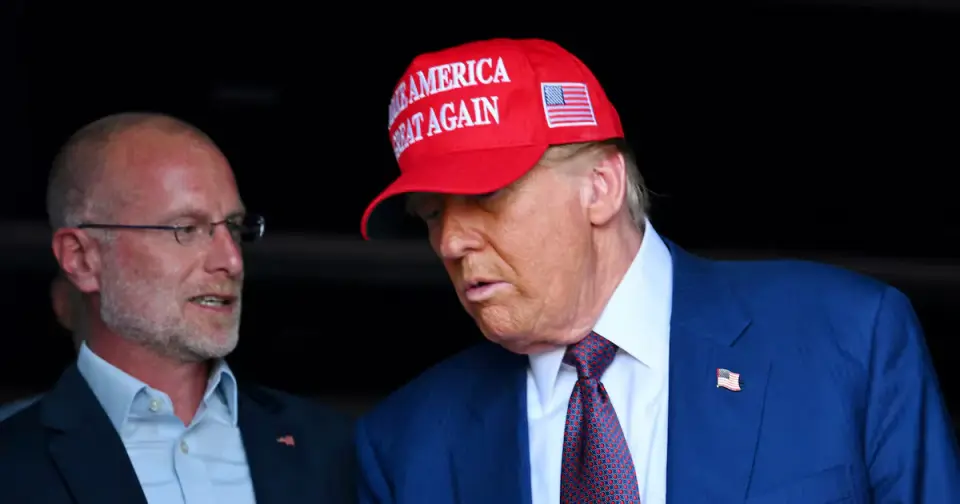
A federal judge has blocked the Federal Communications Commission from conducting an early license review of eight ABC-owned stations, ruling that the action was likely unconstitutional retaliation against speech critical of President Donald Trump. FCC Chair Brendan Carr defended the agency’s actions on Friday, claiming the move was about public interest standards rather than political vendettas, but acknowledged the agency plans to challenge the court’s ruling. The dispute stems from a series of conflicts between the Trump administration and ABC, including late-night host Jimmy Kimmel’s jokes and the network’s editorial decisions, which the administration alleged violated public interest obligations. ABC and its parent company, Disney, have countered that the FCC’s actions violate First Amendment rights, with the judge citing evidence of a 'retaliatory motive' in her preliminary injunction.
Key points
- U.S. District Judge Loren AliKhan issued a preliminary injunction on Wednesday, November 25, 2026, blocking the FCC from an early review of eight ABC station licenses, stating the case was 'not close' and that the agency’s actions likely constituted retaliation for disfavored speech.
- FCC Chair Brendan Carr appeared on CNBC’s 'Squawk on the Street' on Friday, November 27, 2026, to defend the agency’s actions, arguing that broadcasters have a special 'public interest' obligation and that the review was not solely about Jimmy Kimmel, though he acknowledged the FCC plans to challenge the ruling.
- Judge AliKhan’s ruling cited 'powerful evidence' of a retaliatory motive, linking the FCC’s actions to President Trump’s repeated calls to strip ABC’s licenses, which the judge noted occurred at least eleven times over the past two years, with the most recent in July 2026.
- ABC and Disney sued the FCC and Carr in August 2026, alleging the early license review was a violation of First Amendment rights, while the Justice Department argued the review was a necessary tool to investigate Disney’s diversity, equity, and inclusion practices, a claim the judge found unconvincing.
- The ruling comes amid a broader pattern of legal conflicts between the Trump administration and news outlets, including a separate case involving CNN, MS NOW, and Politico, where a judge also blocked the administration from restricting press access, citing unlawful retaliation.
Background
The conflict between the Trump administration and ABC has escalated since 2025, following late-night host Jimmy Kimmel’s jokes referencing the assassination of right-wing activist Charlie Kirk and later comments about Melania Trump. In September 2025, FCC Chair Brendan Carr threatened regulatory action against Disney’s ABC network, leading to the early license review in April 2026. ABC had also faced pressure regarding its morning show 'The View' and its decision not to broadcast Trump’s July 2026 Oval Office address on television, opting for a digital stream instead. The current ruling is part of a series of legal challenges by media outlets against the administration, including a parallel case involving CNN, MS NOW, and Politico, where a judge blocked the White House from restricting press access, citing similar retaliatory motives.
How outlets are covering it
The Daily Beast and AP News emphasize the retaliatory nature of the FCC’s actions, citing Judge AliKhan’s ruling and the judge’s comments on Trump’s 'marching orders' to Carr. NPR highlights the broader First Amendment implications, noting the judge’s skepticism of the FCC’s claims about diversity investigations and the administration’s pattern of retaliating against critical media. Politico focuses on the legal precedent, noting the judge’s statement that the case was 'not close' and the FCC’s defense of its actions as a matter of public interest. Carr’s defense on CNBC contrasts with the judge’s findings, as he argues the review was about public interest standards, while the administration’s legal team in court argued the review was a necessary tool for investigation, a claim the judge found unconvincing.
Why it matters
The ruling sets a significant precedent for media freedom and First Amendment protections in the face of government regulatory actions. It highlights the potential for regulatory agencies to be used as tools for political retaliation, with the judge’s findings suggesting that the FCC’s actions were not based on legitimate public interest concerns but on a desire to punish critical speech. The outcome could influence future cases involving media outlets and government agencies, as well as the broader relationship between the executive branch and the press.
What to watch
The FCC has stated it plans to challenge the ruling, with Carr indicating the agency will continue to pursue its objectives in the broadcast space. ABC and Disney are expected to continue their legal battle, with the judge’s ruling providing a temporary block on the license review but not a final resolution. The administration’s broader conflicts with media outlets, including the CNN, MS NOW, and Politico case, are likely to continue, with the administration appealing the rulings and potentially facing further legal challenges. The outcome of these cases could have significant implications for media freedom and the role of regulatory agencies in the United States.
- Trump Goon Confronted Over Crusade Against Late-Night Nemesis The Daily Beast
- U.S. Judge rules FCC violated ABC's free speech rights to please Trump NPR
- ‘Not a close case:’ Judge blocks review of ABC’s broadcast licenses Politico
- Judge blocks FCC from early license review for ABC, which network says has had a chilling effect AP News
- Judge blocks Brendan Carr-led FCC from taking any further action against ABC’s licenses The Guardian
Want the full story? Read the original reporting
Read on The Daily Beast