
Judge Cooper Blocks Trump’s Second Bid to Limit Birthright Citizenship
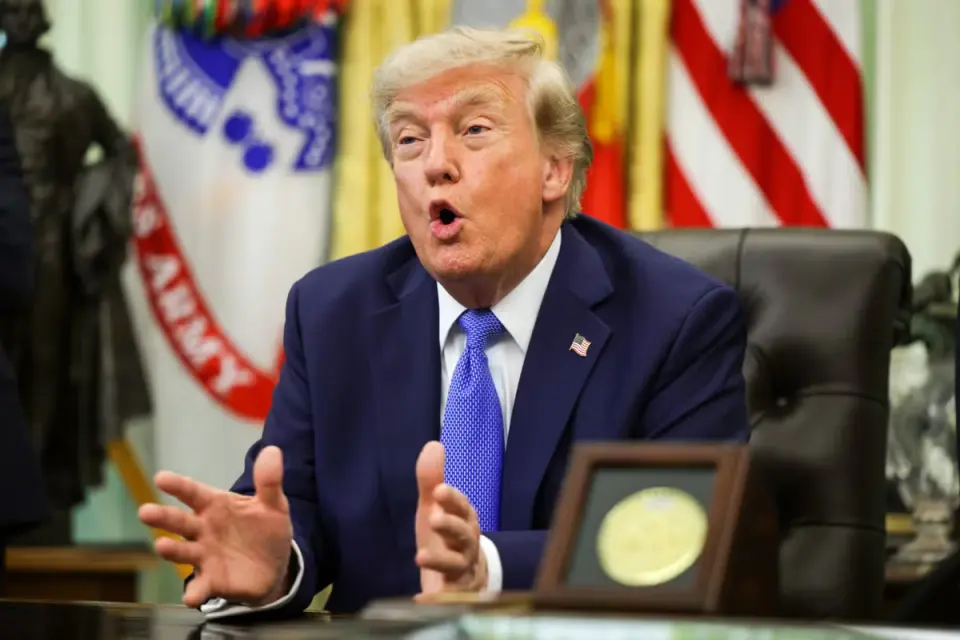
U.S. District Judge Christopher R. Cooper issued a preliminary injunction on Wednesday, blocking President Donald Trump’s August executive order that sought to restrict birthright citizenship for specific groups. The ruling follows a Supreme Court decision earlier this year that affirmed the principle, with Cooper criticizing the administration for attempting to carve out new exceptions after the high court’s recent ruling.
Key points
- Judge Christopher R. Cooper issued a preliminary injunction blocking the enforcement of Trump’s August executive order, which targeted children of foreign government employees, mothers accused of lying about visit intentions, and those with suspected terrorist ties.
- The ruling cites the Supreme Court’s June 2026 decision, which affirmed that birthright citizenship applies to all children born in the U.S. except for three narrow categories: children of foreign diplomats, enemy forces in hostile occupation, and those born on foreign public ships.
- Cooper certified a broad class of plaintiffs, including children currently or potentially denied citizenship under the order, stating that the 14th Amendment’s citizenship clause is 'deeply rooted in our legal tradition.'
- The administration had requested a stay pending appeal, which Judge Cooper denied, allowing the injunction to take effect immediately.
- The ACLU’s Immigrants’ Rights Project called the ruling a rejection of the administration’s efforts to 'gut' birthright citizenship, noting the Supreme Court has twice rejected such attempts, including in 1898 and 2026.
Background
This is the second time a federal court has halted the Trump administration’s efforts to limit birthright citizenship following a Supreme Court decision in June 2026. A previous injunction was issued in September 2026 by another judge. The Supreme Court’s June 2026 ruling marked the second time the high court affirmed the principle, which has been a target of anti-immigrant policymakers, including White House chief of staff Stephen Miller.
Why it matters
The ruling reinforces the legal standing of birthright citizenship as a constitutional right, limiting the executive branch’s ability to unilaterally redefine citizenship criteria. It highlights ongoing tensions between the administration and the judiciary over immigration policy and the interpretation of the 14th Amendment.
What to watch
The administration is expected to appeal the ruling, as it has requested a stay pending appeal, which was denied. The case, Nathan v. Trump, may proceed to further legal challenges, with the ACLU and other groups likely to defend the injunction in subsequent proceedings.
- Judge throws Supreme Court in Trump’s face in birthright citizenship rebuke The Independent
- Trump's newest order curtailing birthright citizenship is blocked by second judge Reuters
- Judge blocks latest Trump effort to restrict birthright citizenship ABC News - Breaking News, Latest News and Videos
- Trump's birthright citizenship restrictions struck down again by DC federal judge he called 'hater' Fox News
- Second judge invalidates Trump’s new attempt to restrict birthright citizenship The Hill
Want the full story? Read the original reporting
Read on The Independent