
Judge Cooper blocks Trump’s second birthright citizenship order
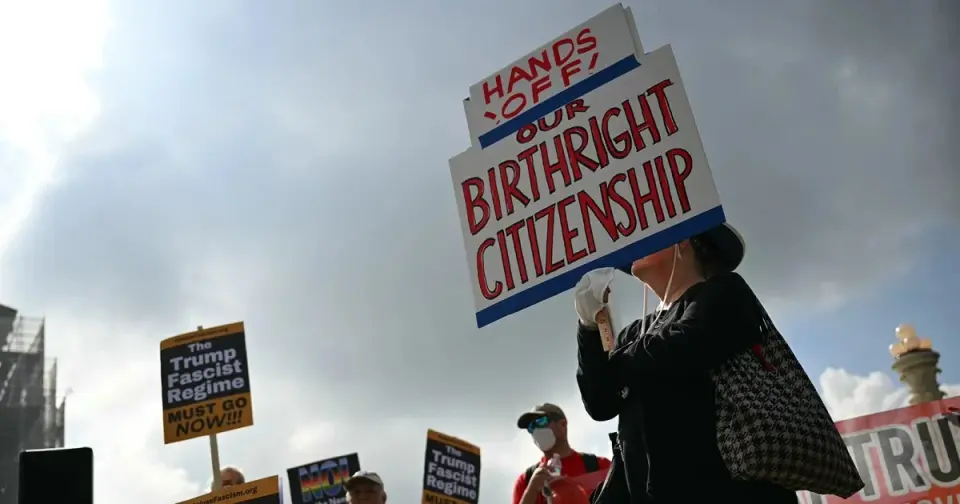
U.S. District Judge Christopher Cooper issued a preliminary injunction blocking President Donald Trump’s August executive order that sought to limit birthright citizenship. The 67-page ruling, issued in the case Nathan v. Trump, prevents federal agencies from denying citizenship to children born in the U.S. based on new exceptions for foreign government employees, commercial surrogacy, or suspected gang membership. The decision follows a June Supreme Court ruling that struck down a previous order and a September injunction by another judge. The administration has requested a stay pending appeal, which Cooper denied.
Key points
- Judge Christopher Cooper, an Obama appointee, issued a 67-page preliminary injunction blocking the enforcement of Trump’s August executive order on birthright citizenship.
- The order targeted children whose parents work for foreign governments or international organizations without diplomatic immunity, children born through commercial surrogacy, and children with parents suspected of gang or terrorist organization membership.
- Cooper denied the administration’s request for a stay pending appeal, allowing the injunction to take effect immediately.
- The ruling follows a June 2026 Supreme Court decision in Trump v. Barbara, which struck down Trump’s first executive order on the issue in a 6-3 vote.
- A second federal judge, Deborah Boardman, had already blocked the administration’s efforts via a preliminary injunction in September following a separate challenge.
Background
In June 2026, the Supreme Court ruled 6-3 in Trump v. Barbara that the Fourteenth Amendment’s Citizenship Clause extends citizenship to nearly all children born in the U.S., with exceptions only for children of foreign diplomats, enemy forces in hostile occupation, and those born on foreign public ships. Trump signed a new executive order in August 2026, E.O. 14418, attempting to create additional exceptions. In September, Maryland Judge Deborah Boardman issued a preliminary injunction blocking the order in a separate case. The current ruling in Nathan v. Trump, brought by the ACLU and other groups, is the second federal court to block the August order.
How outlets are covering it
MS NOW and The Hill emphasize the legal precedent set by the Supreme Court’s June ruling and the breadth of the new injunction, which covers a broad class of plaintiffs. HuffPost highlights the White House’s response, with a spokeswoman calling Cooper an 'activist judge' and the ruling an attempt to thwart the president’s agenda. The Hill notes that the first judge to reject Trump’s initial order was a Reagan appointee, while Cooper is an Obama appointee. All sources agree on the core facts of the injunction and the categories targeted by the executive order.
Why it matters
The ruling reinforces the Supreme Court’s June decision that birthright citizenship is constitutionally protected and limits the executive branch’s ability to create new exceptions through executive order. It prevents federal agencies from denying citizenship to children based on their parents’ employment, surrogacy arrangements, or suspected criminal associations, ensuring that the Fourteenth Amendment’s Citizenship Clause remains broadly applicable.
What to watch
The Trump administration has requested a stay pending appeal, which Judge Cooper denied. The case is expected to proceed through the appeals process, with the administration likely seeking review by the Supreme Court. The White House has not indicated whether it will appeal the ruling or attempt to issue a new executive order.
- Federal judge blocks Trump’s latest attempt to limit birthright citizenship MS NOW
- Judge blocks latest Trump effort to restrict birthright citizenship Good Morning America
- Judge throws Supreme Court in Trump’s face in birthright citizenship rebuke Yahoo
- Second judge invalidates Trump’s new attempt to restrict birthright citizenship The Hill
- Judge Blocks Trump's Second Attempt To Strip Birthright Citizenship HuffPost
Want the full story? Read the original reporting
Read on MS NOW