
Judge Mehta Dismisses Final Jan. 6 Oath Keepers Charges, Citing Executive Discretion
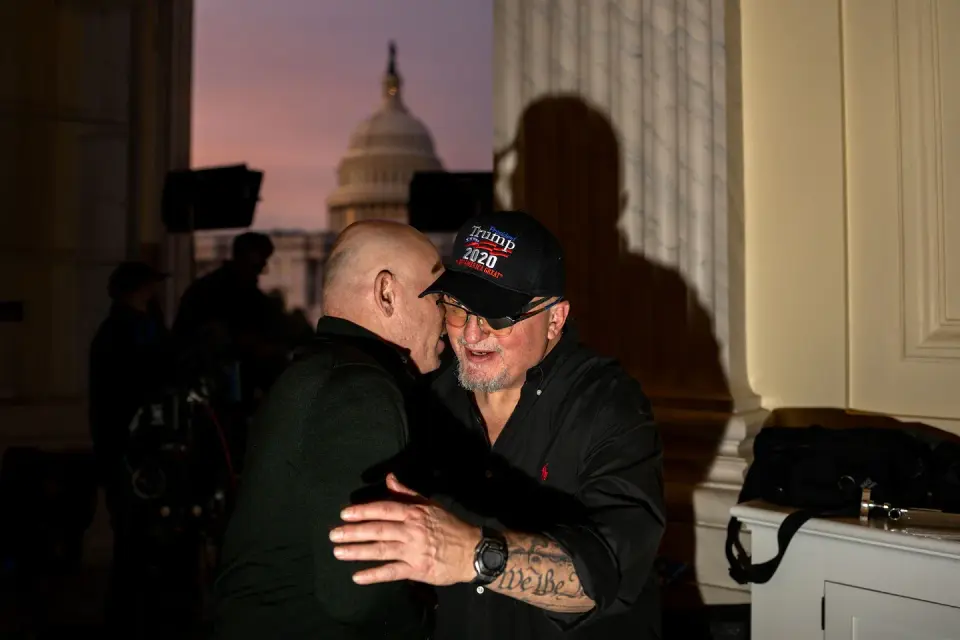
U.S. District Judge Amit Mehta dismissed seditious conspiracy charges against Oath Keepers leader Stewart Rhodes and eight other members, marking the end of the final major January 6 prosecutions. Mehta ruled reluctantly at the Justice Department's request, criticizing the move as 'unearned grace' that excuses crimes against the United States. The dismissal follows President Trump's initial commutations and pardons of over 1,500 rioters, which did not initially extend to these specific group leaders. While the court noted the executive branch's absolute discretion in charging decisions, Mehta emphasized that the government admitted no legal deficiencies or misconduct, merely seeking to wipe clean records of convicted individuals. This ruling closes the last of the high-profile cases stemming from the 2021 Capitol attack, which injured over 140 police officers and caused significant damage.
Key points
- Judge Amit Mehta dismissed seditious conspiracy charges against Stewart Rhodes and eight other Oath Keepers members on Tuesday.
- The ruling was the final step in the legal process to erase penalties from the January 6, 2021, Capitol riot.
- Mehta criticized the Justice Department for seeking to wipe clean records of those convicted of crimes against the United States without admitting legal errors.
- The Justice Department argued the dismissal was in the public interest, a claim Mehta rejected in his written order.
- President Trump had previously commuted prison sentences for these defendants and pardoned over 1,500 other rioters on his first day in office.
- The D.C. Circuit Court of Appeals had vacated the convictions in May, prompting the Justice Department to file motions to dismiss the underlying charges.
Background
This dismissal follows a series of legal actions by the Trump administration to unravel January 6 prosecutions. In July 2026, a Trump-appointed judge dismissed seditious conspiracy charges against four Proud Boys members after an appeals court vacated their convictions. The current ruling by Judge Mehta is the final step in this process, closing the last of the major cases against leaders of extremist groups involved in the riot. The broader context includes Trump's executive orders pardning over 1,500 rioters and commuting sentences for group leaders, which the Justice Department subsequently used to seek full dismissals of charges. The archive indicates that these dismissals have been framed as an epilogue to the prosecutions, with judges emphasizing separation of powers while expressing personal disagreement with the outcome.
How outlets are covering it
The Washington Post and WBAL-TV (citing CNN) both report on Judge Mehta's reluctant dismissal of the Oath Keepers case, highlighting his criticism of the Justice Department's request. The Post emphasizes Mehta's written ruling, where he states the government is bestowing 'unearned grace' and that the dismissal 'diminishes the gravity of that day.' WBAL-TV focuses on Mehta's strong disagreement with the Justice Department's motion, noting that he 'strongly disagree[s]' but must yield to the executive branch's primacy in charging decisions. Both sources agree that the ruling marks the end of the final January 6 prosecutions, but the Post provides more detail on the judge's specific language regarding the public interest and the nature of the crimes, while WBAL-TV emphasizes the procedural constraints on the judge. The sources also differ in their emphasis on the defendants' responses, with the Post detailing the attorneys' arguments about the presumption of innocence, while WBAL-TV focuses more on the judge's emotional tone and the historical significance of the dismissal.
Why it matters
The dismissal of the Oath Keepers case marks the end of the largest federal investigation in U.S. history related to the January 6 Capitol attack. It signifies a complete reversal of the legal consequences for the leaders of extremist groups involved in the riot, following President Trump's pardons and commutations. The ruling highlights the tension between the executive branch's discretion in charging decisions and the judiciary's role in upholding the rule of law, as Judge Mehta expressed strong disagreement with the Justice Department's request while being legally bound to grant it. This outcome may have implications for future prosecutions and the perception of accountability for actions that threatened the peaceful transfer of presidential power. The dismissal also underscores the political influence on the justice system, as the Trump administration's actions have effectively erased the legal penalties for those convicted of seditious conspiracy, a crime against the United States itself.
What to watch
The dismissal of the Oath Keepers case is expected to be the final step in the legal process to wipe out penalties from the January 6 riot. The Justice Department may continue to pursue other related cases, but the major prosecutions against leaders of extremist groups are now concluded. The ruling may face appeals or further legal challenges, but the executive branch's absolute discretion in charging decisions makes such challenges unlikely to succeed. The outcome may also influence public opinion and political discourse regarding the January 6 attack and the role of the justice system in holding individuals accountable for actions that threatened the democratic process. The dismissal may also have implications for the reputation of the Justice Department and the perception of its independence from political influence.
- Judge dismisses Jan. 6 seditious conspiracy charges against Oath Keepers The Washington Post
- Judge Pained as He Grants Dismissal of Jan. 6 Charges Against Oath Keepers The New York Times
- Judge ‘Reluctantly’ Lets DOJ Dismiss Jan. 6 Oath Keepers Cases Bloomberg.com
- ‘The court cannot write a different ending’: Judge reluctantly drops final Jan. 6 case Politico
- Judge slams the Justice Department as he ‘reluctantly’ dismisses final January 6 case WBAL-TV
Want the full story? Read the original reporting
Read on The Washington Post